
Precision Agriculture
Frequently Asked Questions About Land Leveling
Frequently Asked Questions About Land Leveling
What is land leveling and why is it important?
Land leveling is generally used to remove minor irregularities from the surface of the land. Leveled land can be used for agricultural, construction, and other purposes. In agriculture, land leveling improves irrigation and drainage efficiency and can play an important role in crop growth and productivity.
What are the different methods of land leveling?
There are several methods of land leveling, including manual, mechanized, and laser leveling. The choice of method depends on factors such as the purpose of the project and the conditions of the land.
What equipment is used for land leveling?
Equipment such as bulldozers, scrapers, and graders can be used in land leveling projects. Each type of equipment is designed for specific requirements and different project conditions.
What are the stages of a land leveling project?
The main stages include initial surveying, land preparation, carrying out the leveling operation, and final inspection by specialists and experts.
What are the benefits of land leveling?
Land leveling offers several benefits, including improved drainage, reduced water consumption, reduced soil erosion, and ultimately improved crop productivity.
What factors affect the cost of land leveling?
Factors such as the size of the land, soil type, and equipment used for leveling may affect the final cost of a land leveling project.
How long does a land leveling project take?
The larger the area, or the more demanding the soil conditions and geographical location are, the more equipment and resources may be required, increasing the project duration.
What impact does land leveling have on the environment?
Properly leveled land can provide better drainage and may require less water. It can also help reduce soil erosion.
When is land leveling necessary?
Land leveling is commonly required at the beginning of agricultural or construction projects when the existing land does not provide a suitable foundation for starting the planned work.
Is land leveling suitable for all types of land?
No. Before leveling, factors such as soil type, land slope, and environmental considerations should be evaluated by qualified specialists.
What is the difference between agricultural land leveling and construction land leveling?
For agricultural land, the main focus is improving irrigation, drainage, and water efficiency. For construction projects, the goal is to create a suitable and stable base for the intended structure. Different equipment may also be used depending on the type of project.
How can you choose a suitable land leveling contractor?
Important criteria include work experience, equipment, work accuracy, technical knowledge and expertise, relevant certifications, and the contractor's commitment to the terms of the leveling contract.
What considerations are important when leveling sloped land?
One of the most important considerations, particularly in agricultural projects, is controlling the direction of water flow to help prevent soil erosion and water loss.
How can soil erosion be prevented after land leveling?
Using suitable materials that help stabilize the soil surface can reduce erosion. Planting vegetation and trees can also help protect the soil from erosion after leveling.
What types of soil are most suitable for land leveling?
In general, the soil type, density, and drainage conditions should be suitable for leveling. Soil that is too soft or too heavy may require improvement before or during the leveling process.
Why is surveying important in land leveling?
Accurate surveying helps identify uneven areas and obstacles and allows the required time, equipment, and resources to be identified and planned before the leveling operation begins.
How is laser land leveling performed?
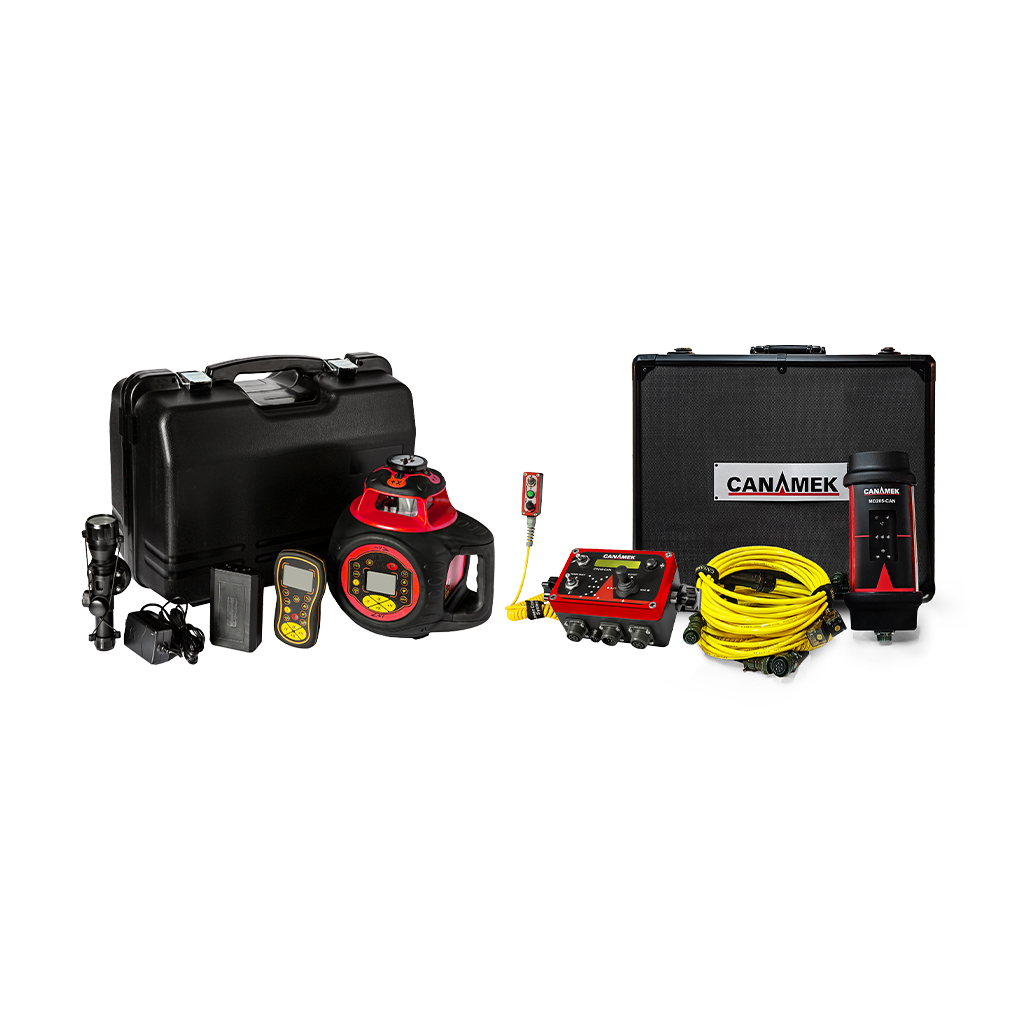
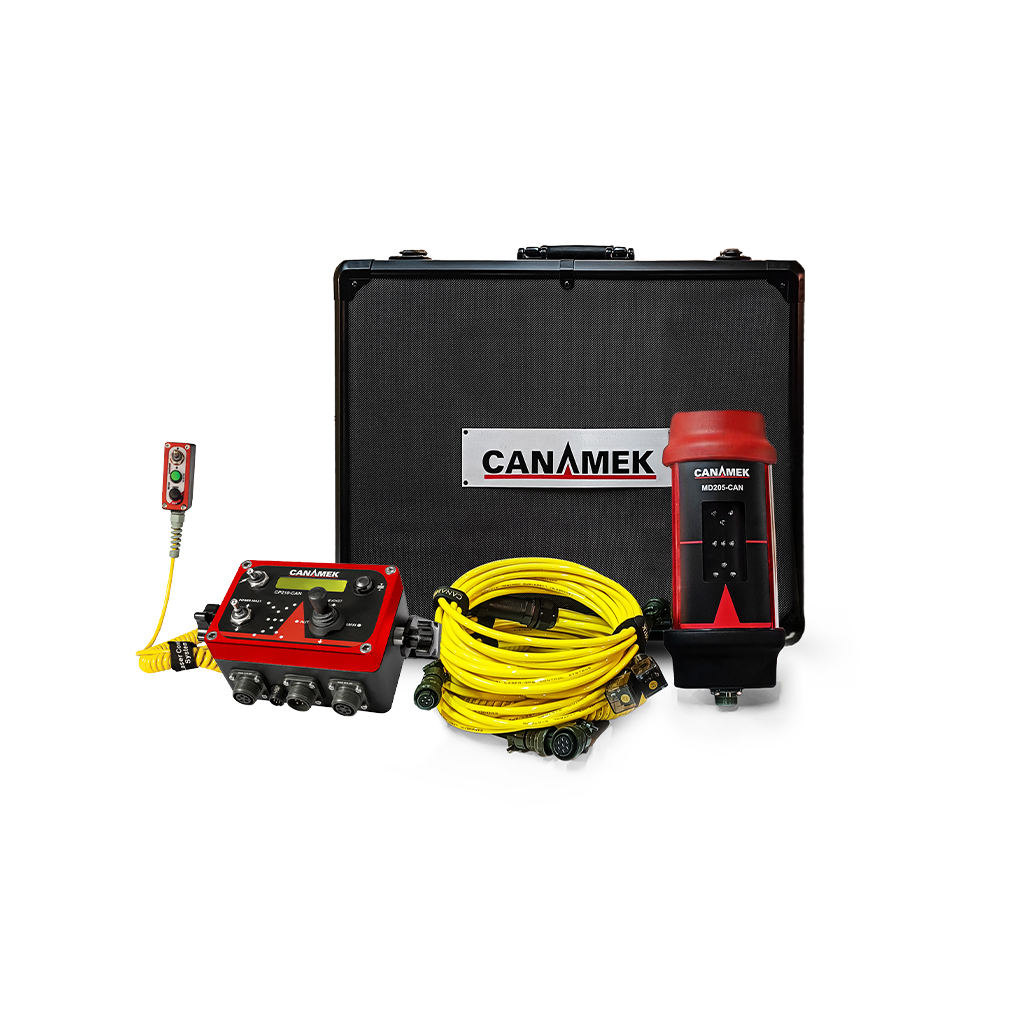
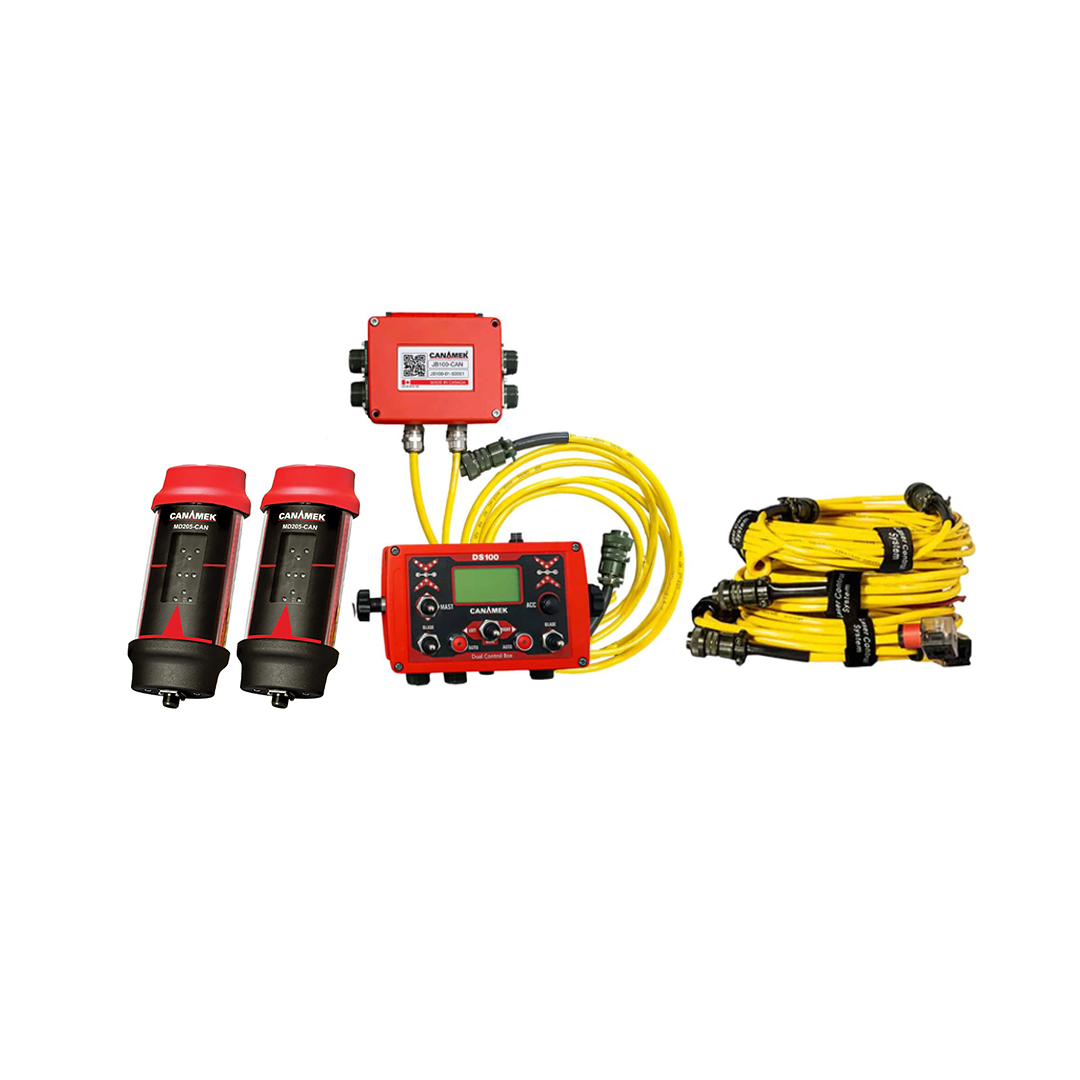
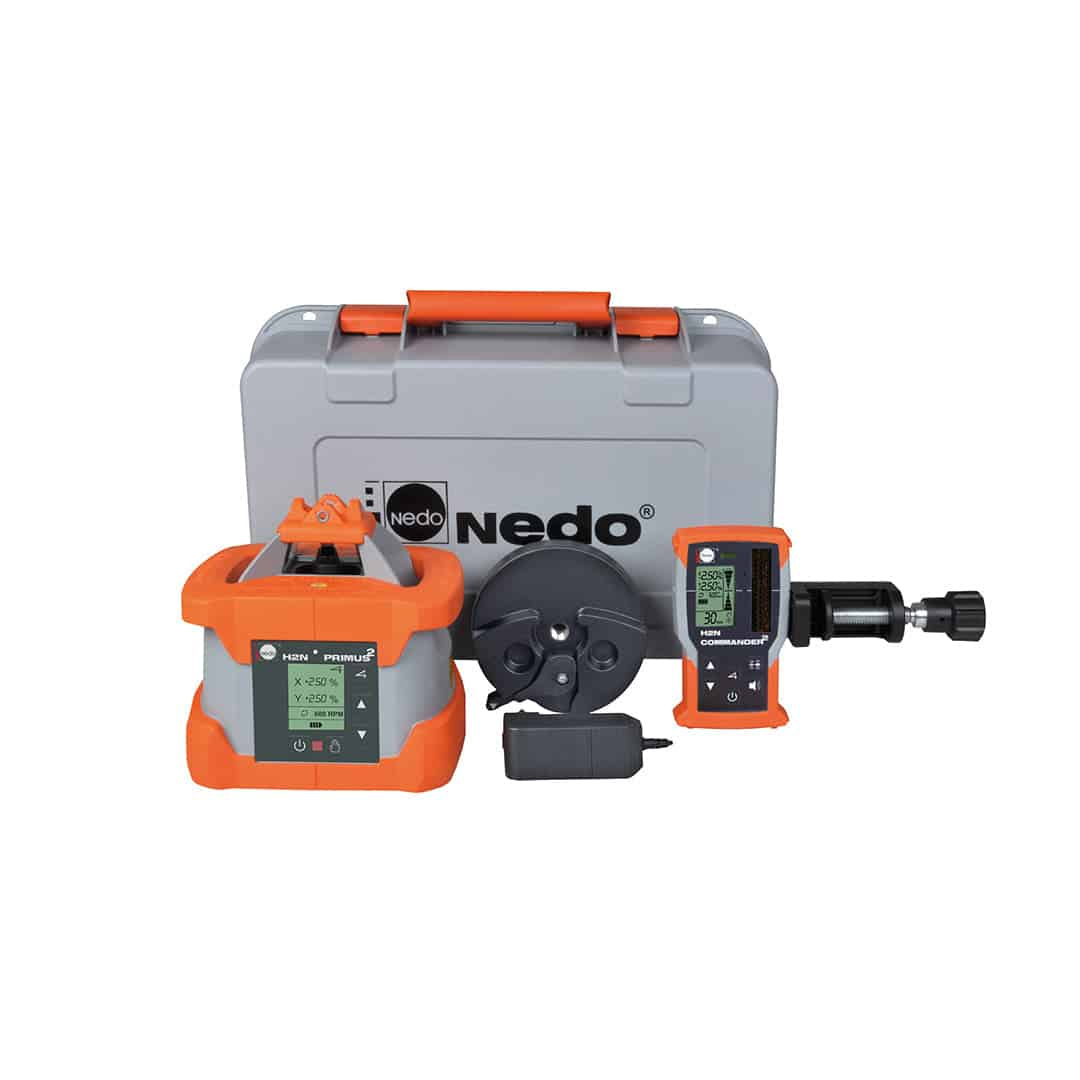
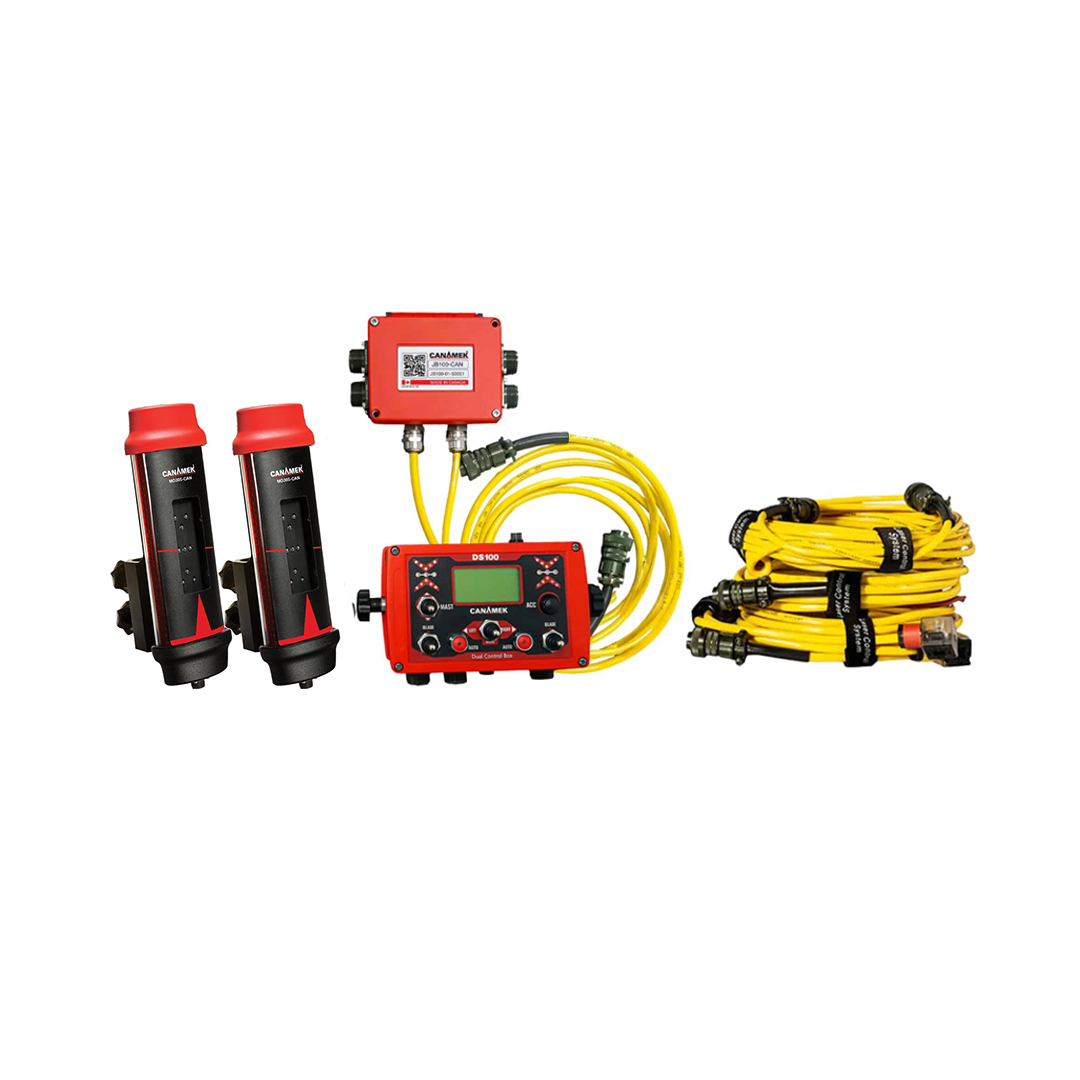
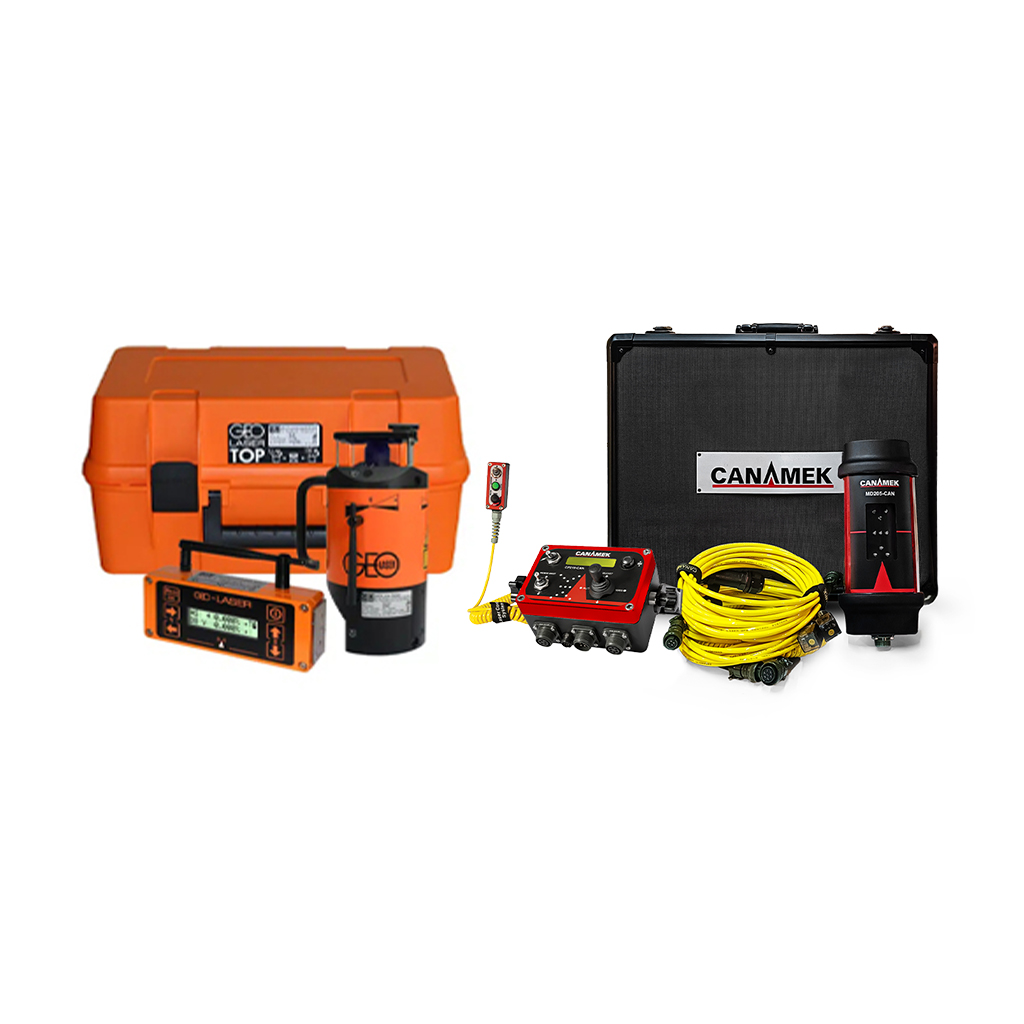
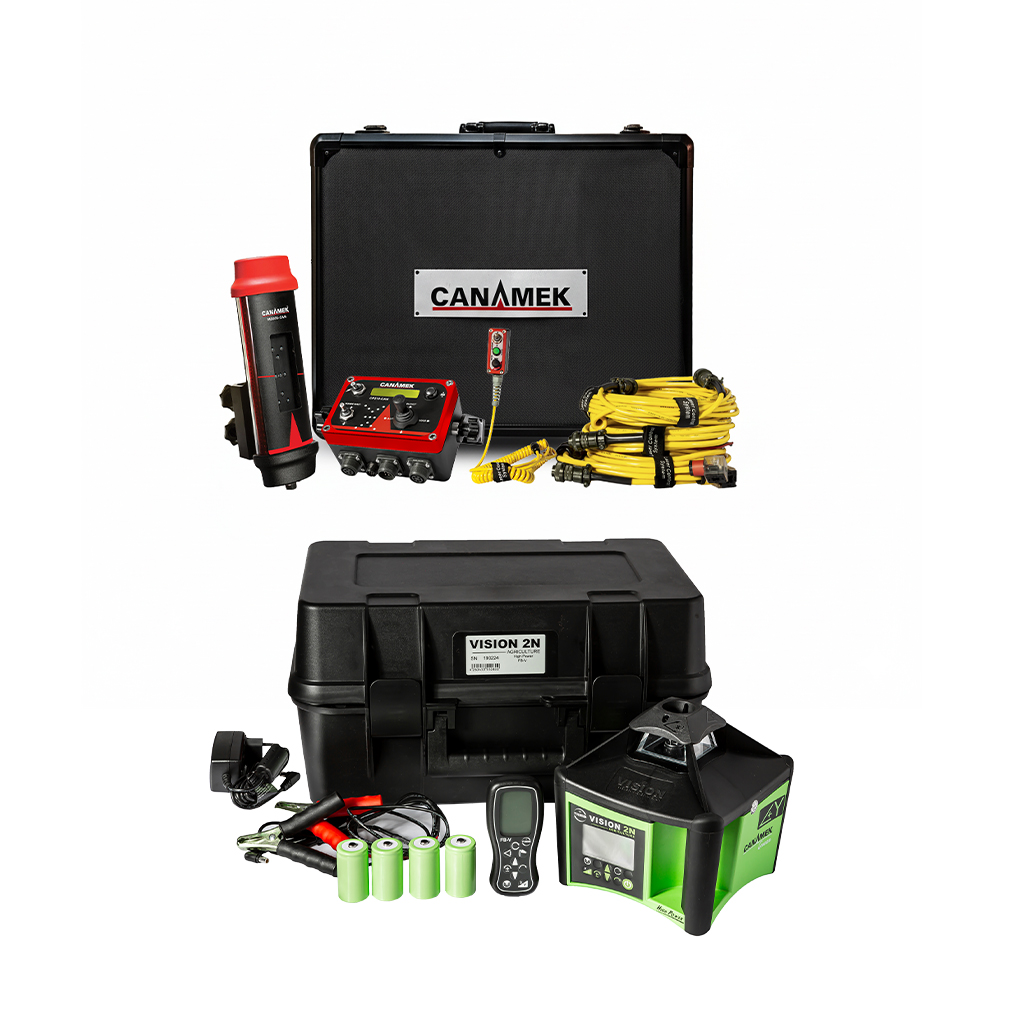
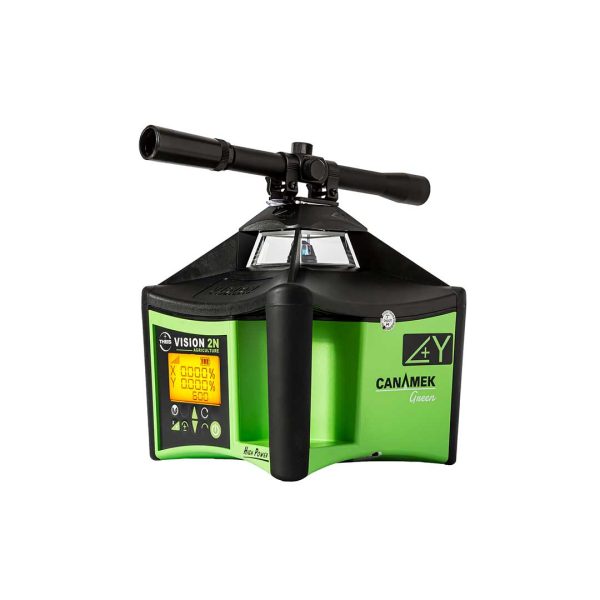
Laser land leveling uses specialized laser equipment and machinery to significantly reduce operational errors and provide the accuracy required for specific projects.
What standards apply to land leveling?
Land leveling standards may include requirements related to slope accuracy, soil characteristics, and the environmental conditions of the area. The applicable requirements vary depending on the type and objectives of each project.
How can the quality of land leveling work be verified?
The final stage of a leveling operation involves inspecting the completed work. Specialists compare the actual results with the previously prepared plan or map to evaluate the quality and accuracy of the leveling.
What permits are required for a land leveling project?
Depending on the project and location, permits such as environmental permits and land-use change permits may be required before land leveling begins.
What characteristics should land leveling for building construction have?
Although the required foundation conditions vary for different structures, construction land should generally have sufficient stability and an appropriate slope.
What are the benefits of land leveling for agriculture?
Leveled agricultural land can use water more efficiently while improving the effectiveness of irrigation, which can contribute to higher agricultural productivity.
What should be considered when leveling land for sports fields?
A sports field should have a completely uniform surface and must also provide sufficient stability and strength for its intended use.
Why is land leveling important for green spaces?
Green spaces, like agricultural land, benefit from a uniform surface and suitable drainage that can provide better conditions for plant growth.
How is land leveling performed for roads and highways?
The first step is to remove obstacles such as rocks, trees, and vegetation from the route. The required filling and compaction operations are then carried out to achieve the required ground level. The road foundation must be sufficiently stable to withstand the loads of heavy vehicles.