
Precision Agriculture
Land Leveling Safety: Risks and Safety Precautions
Land leveling is an important operation in construction, road development, and agricultural land preparation. Although it offers many benefits, operating heavy machinery such as graders, bulldozers, loaders, and tractors equipped with leveling implements can pose various risks to operators and other workers at the site.
Following safety procedures during land leveling operations is essential. Identifying potential hazards, inspecting the work area, checking machinery, using personal protective equipment, and properly training operators can significantly reduce the risk of accidents.
In this educational article, we discuss the most important hazards associated with land leveling and the necessary safety measures to help identify unsafe conditions and take appropriate corrective actions.
Hazards of Land Leveling Operations
Land leveling involves the use of heavy machinery and continuous movement of equipment across the work area. As a result, different hazards may occur depending on the type of project, terrain conditions, machinery, weather, and working methods.
The most important potential hazards include:
Machinery Rollovers
Working on sloped, unstable, or uneven ground can increase the risk of heavy machinery overturning. Excessive speed, improper loading, and operating too close to excavations, edges, or steep slopes can further increase the risk of rollover accidents.
Machinery Collisions with Workers
One of the most serious hazards at a worksite is the possibility of heavy machinery striking workers, operators, or other people in the area. Machinery blind spots can prevent operators from seeing people near the equipment.
Soil Collapse and Ground Instability
When land leveling involves excavation, earthmoving, or slope formation, soil collapse and ground instability may occur. Poor soil conditions, rainfall, machinery vibration, and positioning heavy equipment too close to edges can increase this risk.
Contact with Obstacles and Underground Utilities
Before starting work, the locations of electrical lines, water and gas pipelines, telecommunications cables, and other underground utilities should be identified. Contact between heavy machinery and underground utilities can cause equipment damage, project delays, and serious safety hazards.
Falls from Machinery
Improperly climbing onto or getting down from heavy machinery can result in falls and injuries. Workers should use designated access points and maintain three points of contact when entering or exiting machinery.
Collisions Between Machines
When several heavy machines operate simultaneously, the risk of collisions increases. Poorly defined routes, inadequate communication between operators, and failure to account for blind spots can contribute to accidents.
Dust and Reduced Visibility
Earthmoving and leveling operations can generate significant amounts of dust. In addition to affecting respiratory health, excessive dust can reduce visibility for operators and increase the risk of collisions.
Noise and Vibration
Continuous operation of heavy machinery can produce high levels of noise and vibration. Prolonged exposure without appropriate protective equipment can negatively affect workers' health.
Factors That Contribute to Accidents
Understanding the factors that create hazards is one of the most important steps in preventing accidents. Some of the main factors that can contribute to accidents during land leveling include:
Insufficient training of operators and workers
Use of defective or poorly maintained machinery
Failure to assess terrain and slope conditions
Working in unsuitable weather conditions
Failure to maintain a safe distance between machinery and workers
Presence of unidentified obstacles or underground utilities
Excessive machinery speed
Failure to use personal protective equipment
Poor planning and management of machinery routes
Failure to inspect the work area before operations begin
Safety Measures During Land Leveling Operations
Safety should be considered before operations begin and maintained throughout the entire project. The following measures can help improve safety during land leveling operations.
Inspecting the Worksite Before Operations Begin
Before machinery enters the site, the terrain, slopes, unstable areas, obstacles, access routes, and existing utilities should be inspected. This assessment can help identify potential hazards before work begins.
Defining Machinery Routes
Entry, exit, and operating routes for machinery should be planned in advance. Whenever possible, heavy equipment routes should be separated from areas used by workers.
Using Trained Operators
Heavy machinery should only be operated by properly trained and qualified personnel. Operators should understand the equipment's controls, operating limitations, blind spots, and safety requirements.
Daily Machinery Inspections
Machinery should be inspected before each work shift. Brakes, steering systems, tires or tracks, lights, warning systems, safety equipment, and other critical components should be checked.
Maintaining a Safe Distance
Unauthorized personnel should not enter the operating area of heavy machinery. Establishing a designated safety zone around operating equipment can reduce the risk of collisions with workers.
Using Warning Signs and Safety Equipment
In areas where workers or vehicles may pass through, warning signs, physical barriers, warning lights, and other appropriate safety equipment should be used.
Using Personal Protective Equipment
Workers should use appropriate personal protective equipment based on the type of operation. This may include safety helmets, protective footwear, suitable work clothing, safety glasses, gloves, hearing protection, and respiratory protection when necessary.
Controlling Dust
When excessive dust is generated, methods such as wetting the ground and properly managing machinery routes can help reduce airborne dust. Where respiratory protection is required, suitable protective equipment should be provided to workers.
Considering Weather Conditions
Heavy rain, strong winds, freezing conditions, or poor visibility can change ground conditions and increase operational risks. Work should be continued only after assessing the risks, and operations should be suspended when conditions become unsafe.
Using Technology to Improve Accuracy and Safety
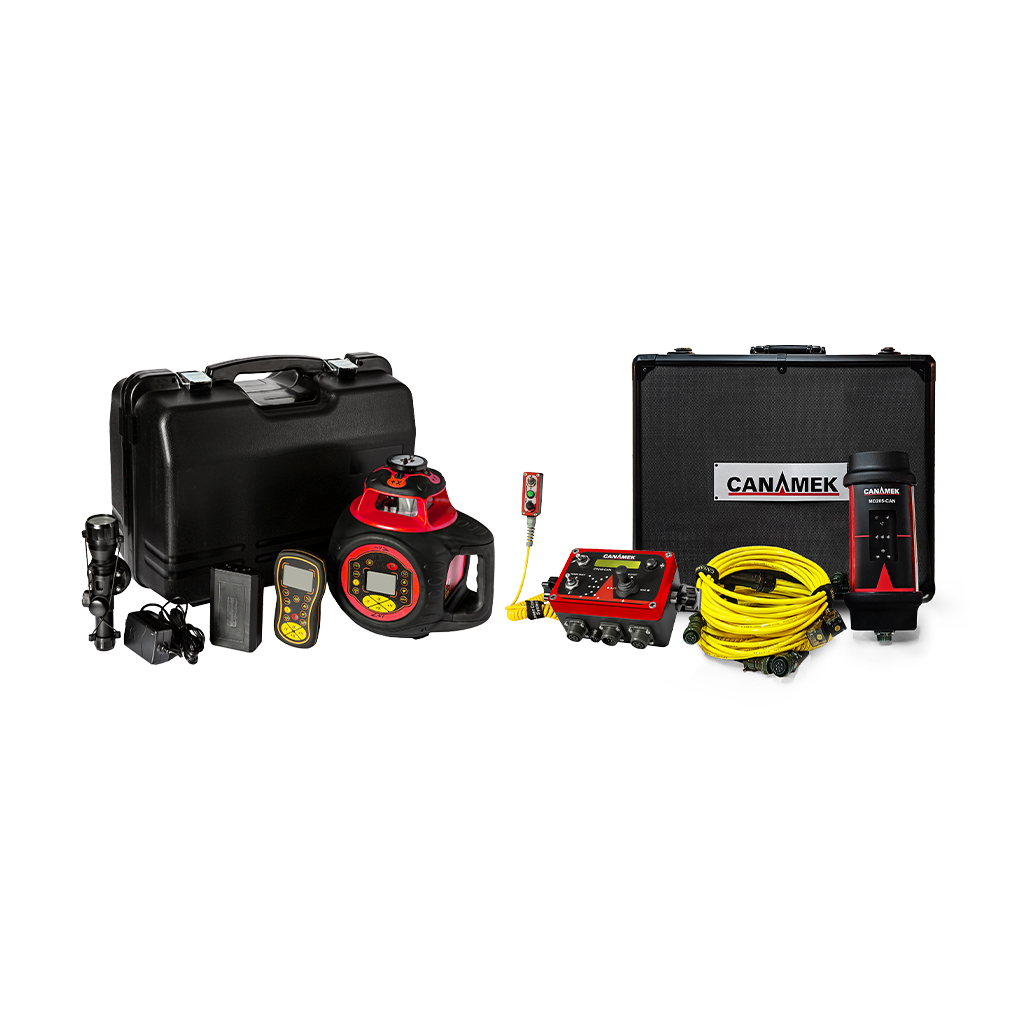
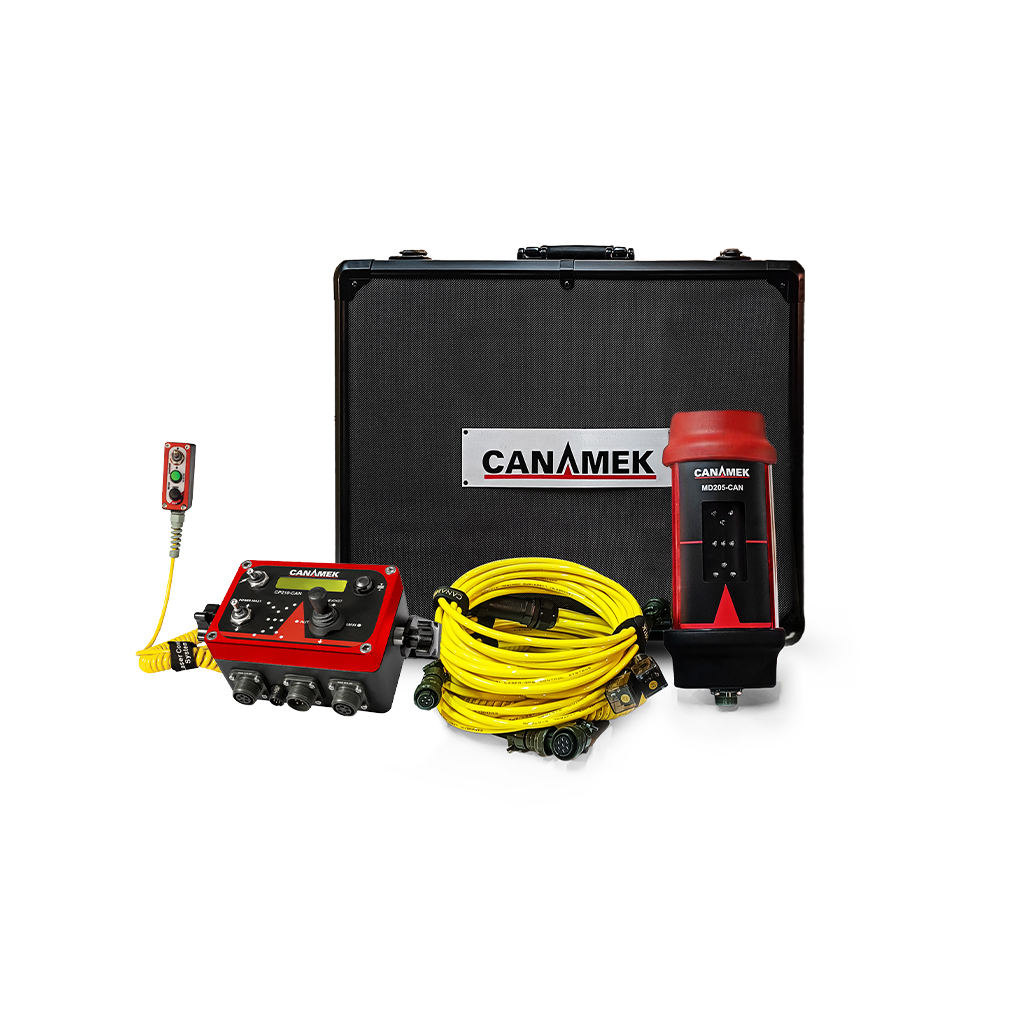
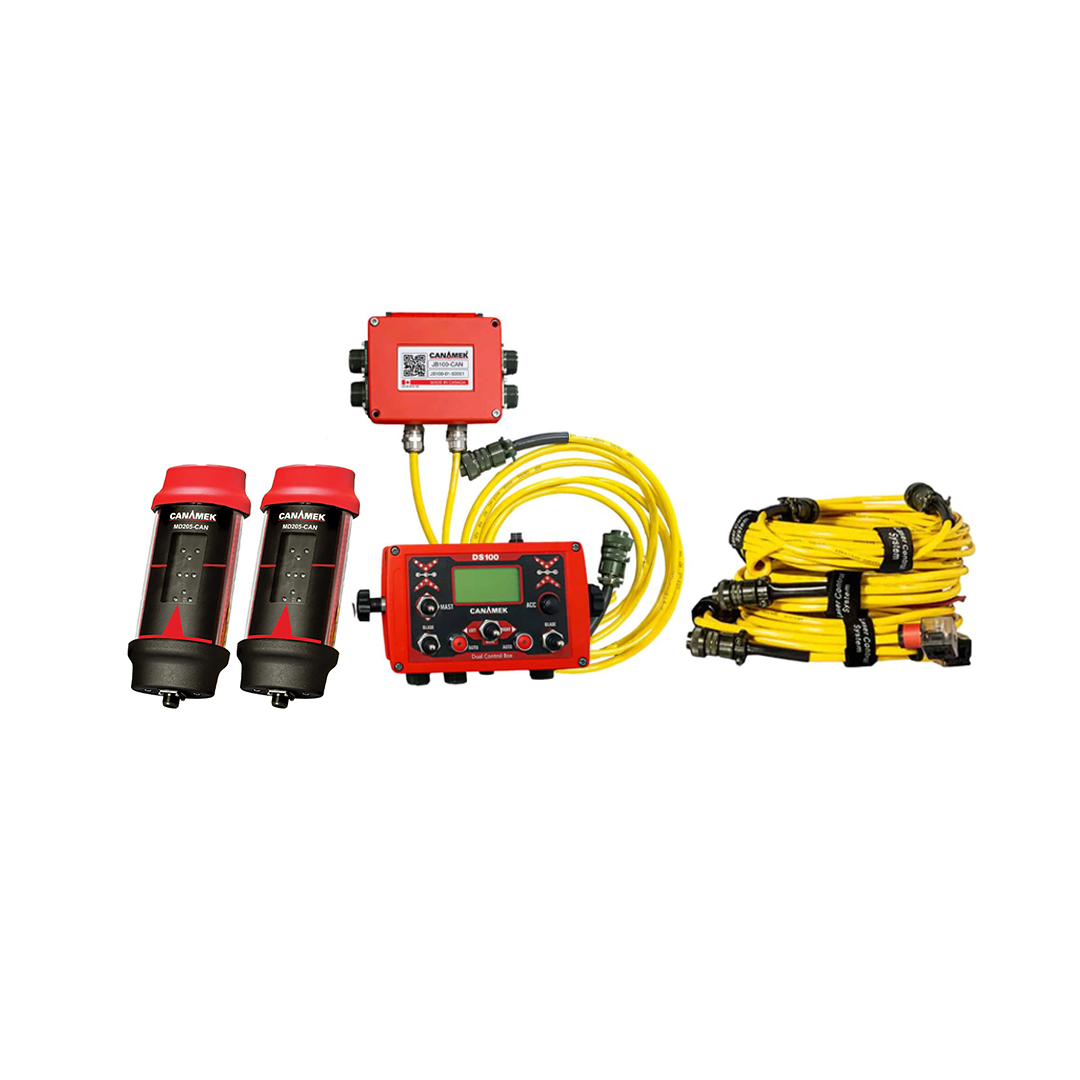
Modern technologies can help improve the accuracy and management of land leveling operations. GNSS systems and satellite-based leveling equipment allow machinery position and movement to be monitored and controlled more accurately.
Machine control systems can also reduce the need for certain manual interventions and improve the precision and consistency of operations.
In precision land leveling projects, appropriate equipment can reduce the number of unnecessary machinery passes across the field. In addition to saving time and fuel, this can help improve the management of machinery movement within the work area.
Emergency Procedures
An emergency response plan should be prepared before the project begins. Workers should know what actions to take in the event of an accident, how to stop operations safely, and how to report an incident to the responsible personnel.
The worksite should have suitable access routes for emergency vehicles, and first-aid equipment should be available in an appropriate and easily accessible location.
Conclusion
Land leveling is an important operation in construction, road development, and agricultural land preparation. However, the use of heavy machinery and working under different terrain conditions means that the operation can involve several potential hazards.
Identifying potential risks, assessing terrain conditions, using trained operators, regularly inspecting and maintaining machinery, establishing safe operating routes, using personal protective equipment, and maintaining appropriate distances between workers and machinery are among the most important measures for reducing accidents.
Modern technologies such as GNSS, satellite-based leveling systems, and precision machine control equipment can also improve operational accuracy, reduce unnecessary machinery movement, and support better management of the worksite.
Safety should always remain the highest priority. No construction, road-building, or agricultural operation should be carried out without proper risk assessment and safety planning to protect workers and prevent avoidable accidents.
Rassam GPS
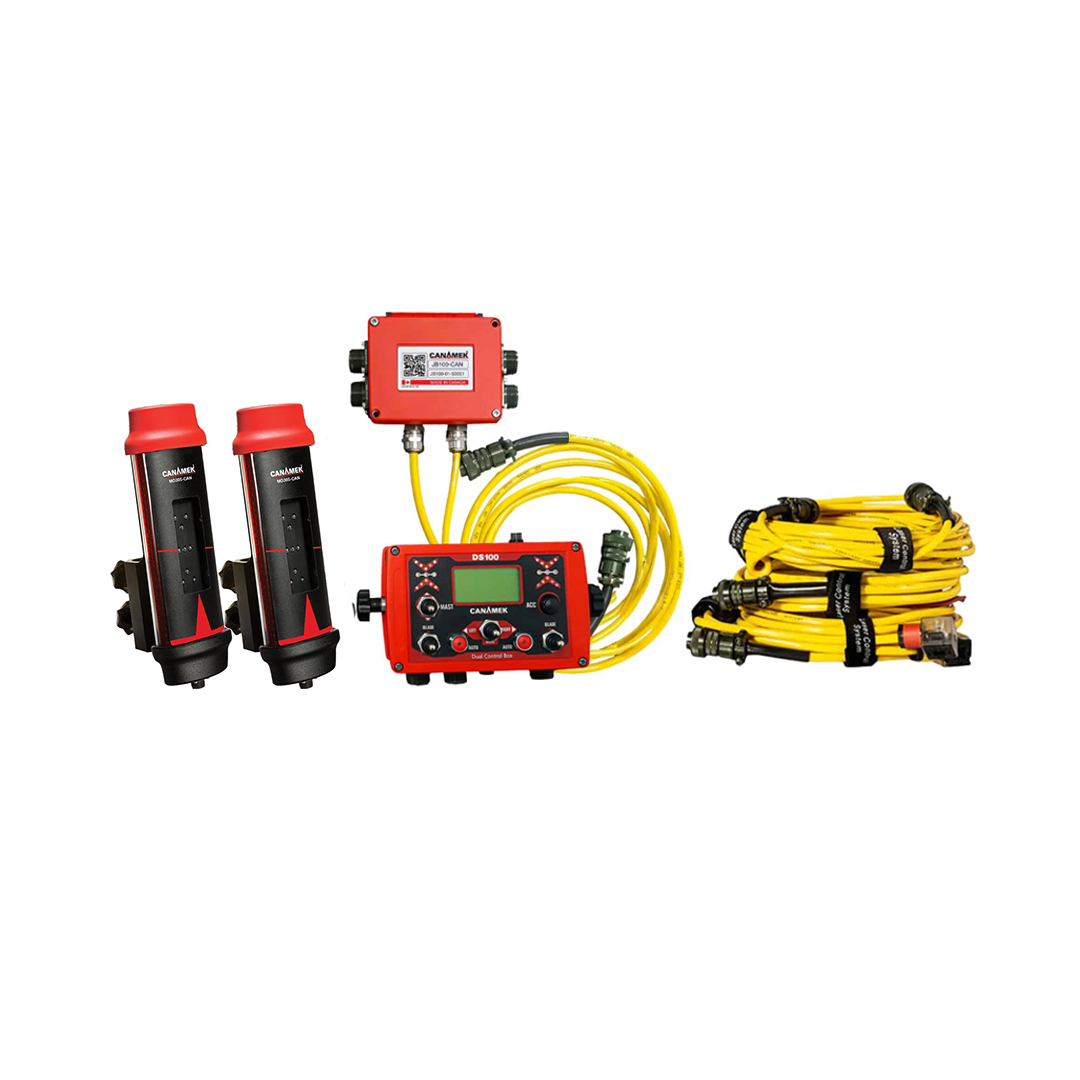
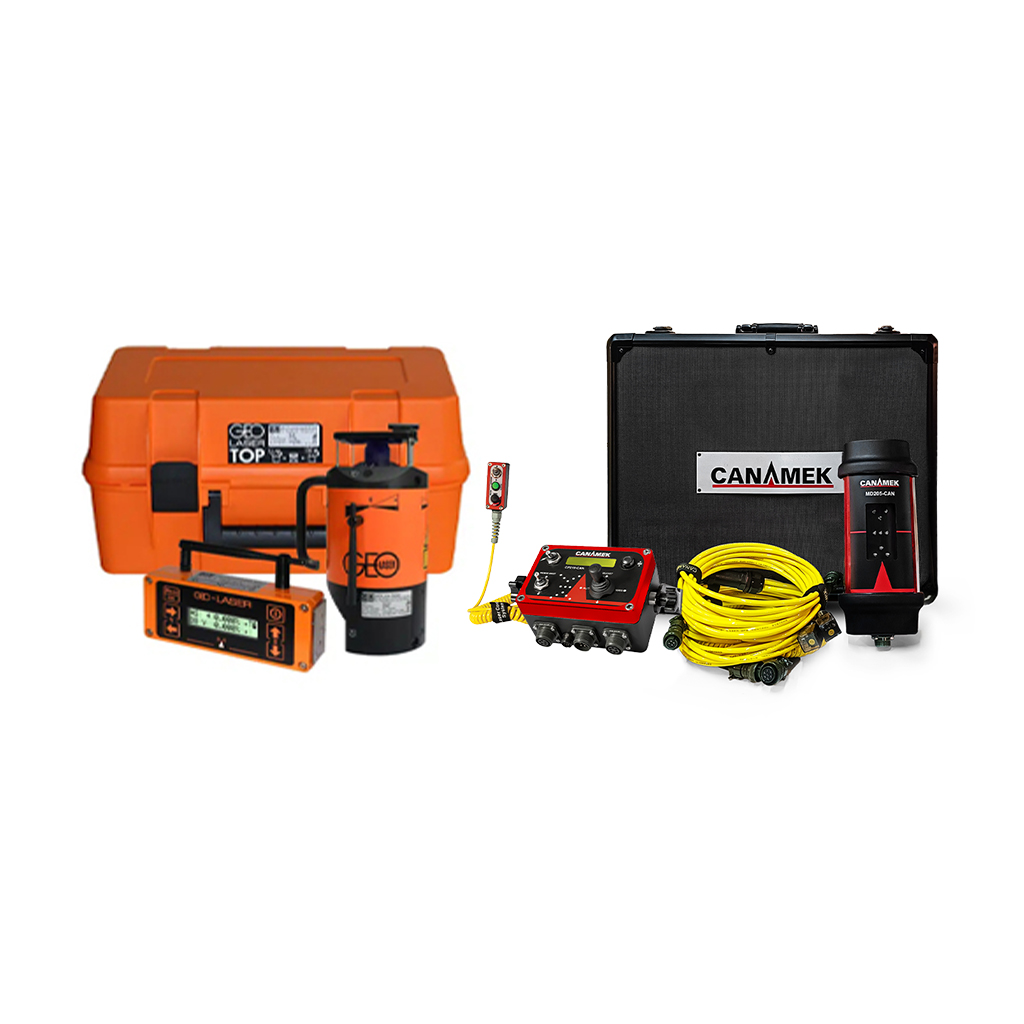
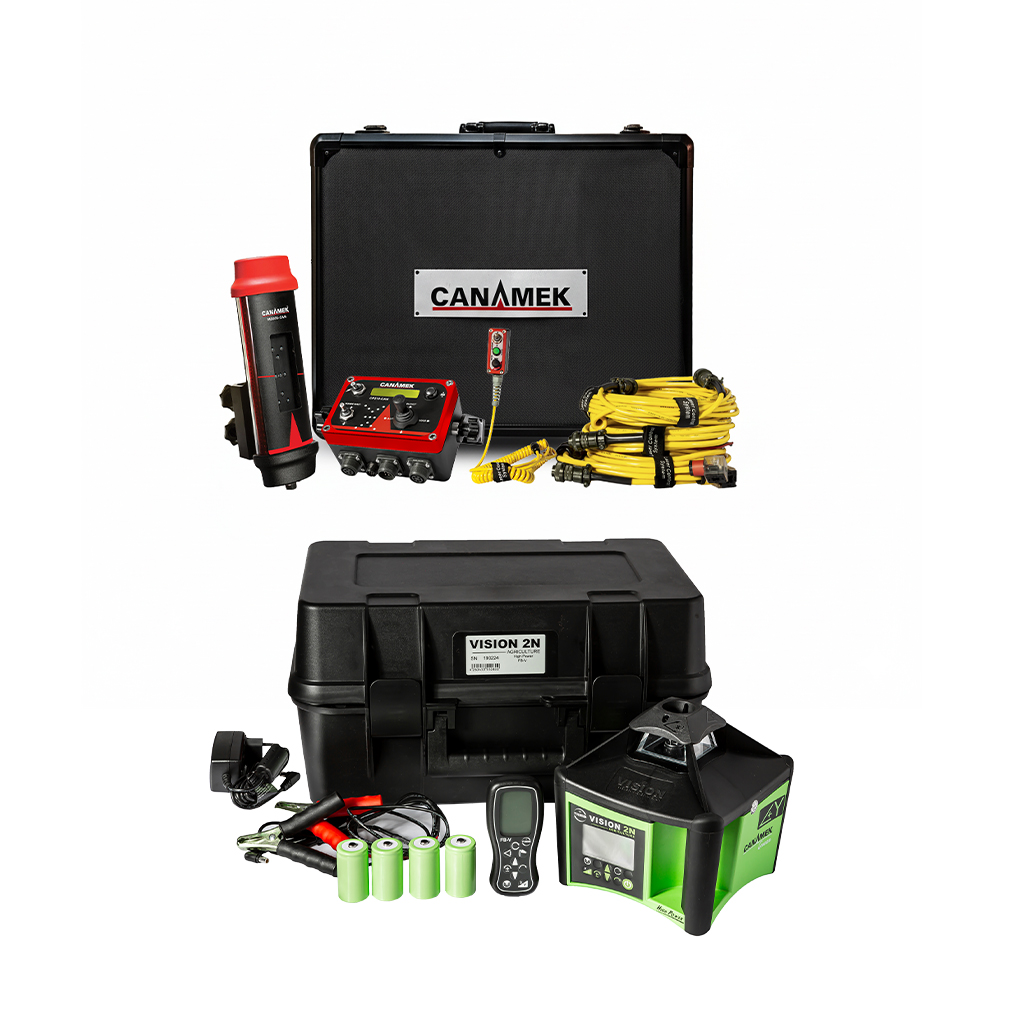
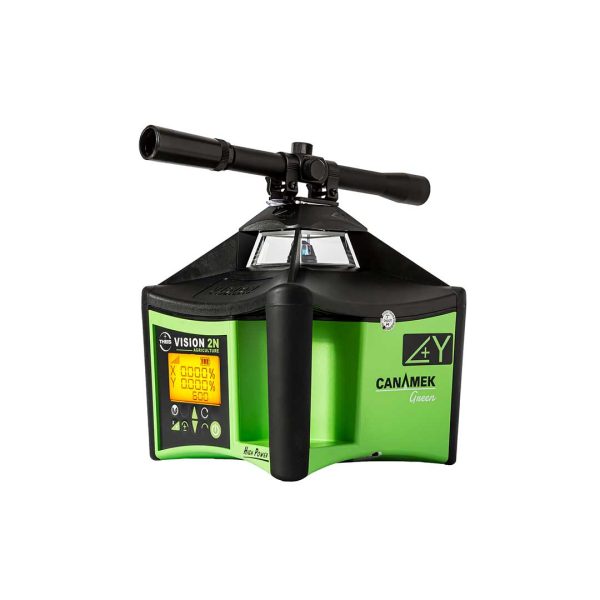
Rassam GPS, also known as Rassam Lian Machine and formerly Ranjbaran, is a manufacturer and supplier of agricultural automation machinery and a sales representative for satellite and laser land leveling equipment from KANAMAC Canada. The company provides agricultural equipment designed to support accurate and efficient farming operations.
For agricultural land leveling equipment and information about laser and satellite land leveling systems, customers can contact Rassam GPS specialists for further information.
Frequently Asked Questions About Land Leveling Safety
What are the most common hazards during land leveling operations?
Machinery rollovers, collisions between equipment and workers, soil collapse, contact with underground utilities, falls, dust, reduced visibility, and collisions between machines are among the most common hazards during land leveling operations.
How can land leveling operations be made safer?
Worksite inspection, hazard identification, trained operators, daily machinery inspections, safe operating routes, personal protective equipment, and maintaining appropriate distances between workers and machinery can significantly improve operational safety.
Can satellite-based leveling technology improve operational safety?
Satellite-based leveling systems and GNSS technology are primarily designed to improve accuracy and operational control. However, by reducing unnecessary machinery movement and improving route management, they can also contribute to better and safer worksite management.