
Precision Agriculture
Laser Applications in Agriculture | Benefits and Challenges
Laser Applications in Agriculture | Benefits and Challenges
Laser technology was initially used mainly in medical treatments, but with recent advances in photobiology and photochemistry, it has also entered the agricultural sector. Due to its high efficiency and cost-effectiveness, laser technology is increasingly being used alongside traditional agricultural methods to provide innovative solutions and improve crop quality.
In this article, we explore the most important applications of laser technology in agriculture, as well as its major benefits and challenges.
What Are the Applications of Laser Technology in Agriculture?
Laser technology has a wide range of applications in modern agriculture. Some of the most important applications include the following:
Soil Analysis Using Laser Technology
Soil contains various elements and substances such as water, oxygen, organic matter, and minerals, all of which are essential for plant growth and the production of healthy crops. With the significant increase in human activities on land, soil has become increasingly exposed to industrial pollutants and hazardous substances. These contaminants can be absorbed by plants and eventually affect ecosystems as well as human and animal health.
For this reason, accurate monitoring of soil composition and soil type is essential not only for protecting the environment but also for ensuring the production of healthy agricultural products.
LIBS, or Laser-Induced Breakdown Spectroscopy, is a technology that uses a powerful laser to accurately analyze the elemental composition of soil. This technique works by analyzing optical spectra. The wavelength indicates the type of element present in the soil, while the intensity of the signal helps determine its concentration.
Using this technology, it is possible to analyze the chemical composition of soil, nutrients, heavy metals, and toxic pollutants. LIBS can also help reduce environmental impacts and support more efficient soil management and agricultural production.
Biostimulation Using Laser Technology
Laser biostimulation is a method that can be used to improve seed germination and promote plant growth. When plant seeds are exposed to laser radiation, the photons produced by the laser are absorbed by molecules, triggering a series of chemical reactions that can increase germination rates and improve root and stem growth.
This method can also contribute to increasing the levels of certain proteins, antioxidants, and enzymes in plants. As a result, plants may become more capable of tolerating challenging environmental conditions such as drought, soil salinity, and certain diseases.
Land Leveling Using Laser Technology
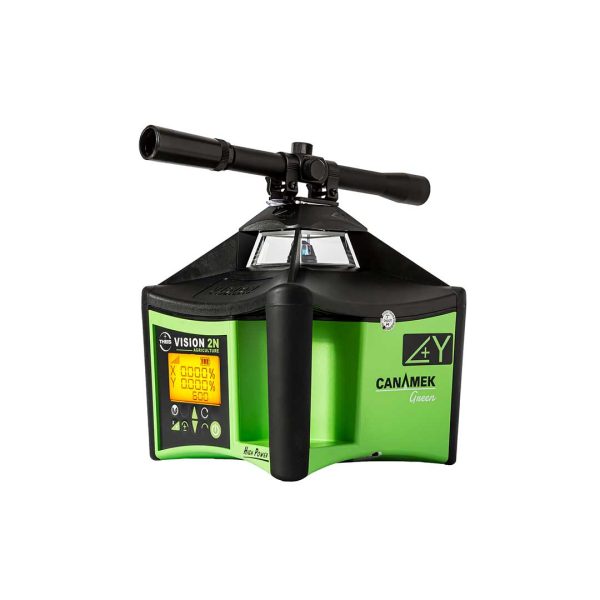
Laser land leveling is one of the most important applications of laser technology in modern agriculture. This method provides a high level of accuracy in leveling agricultural land and improving the distribution of irrigation water throughout the field.
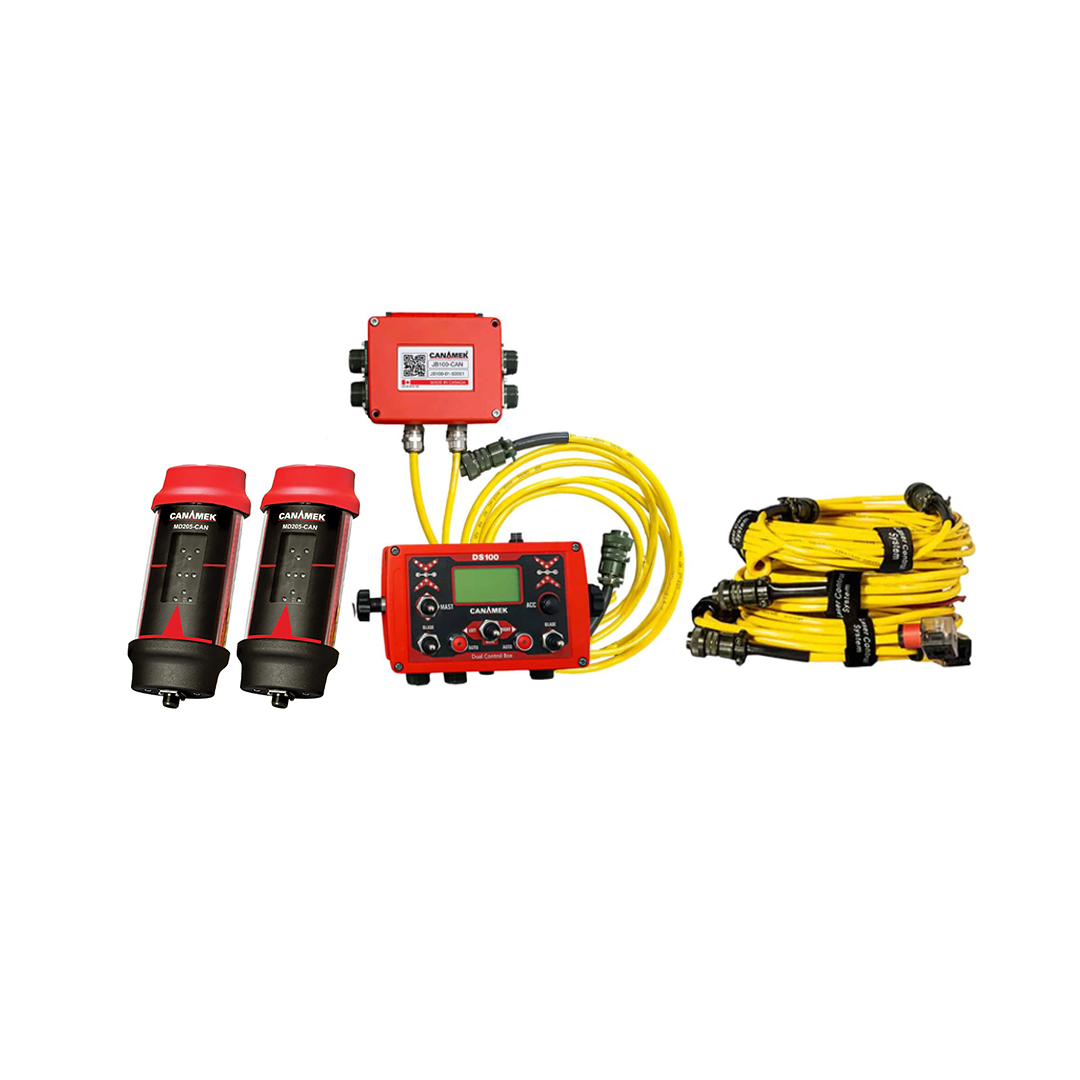
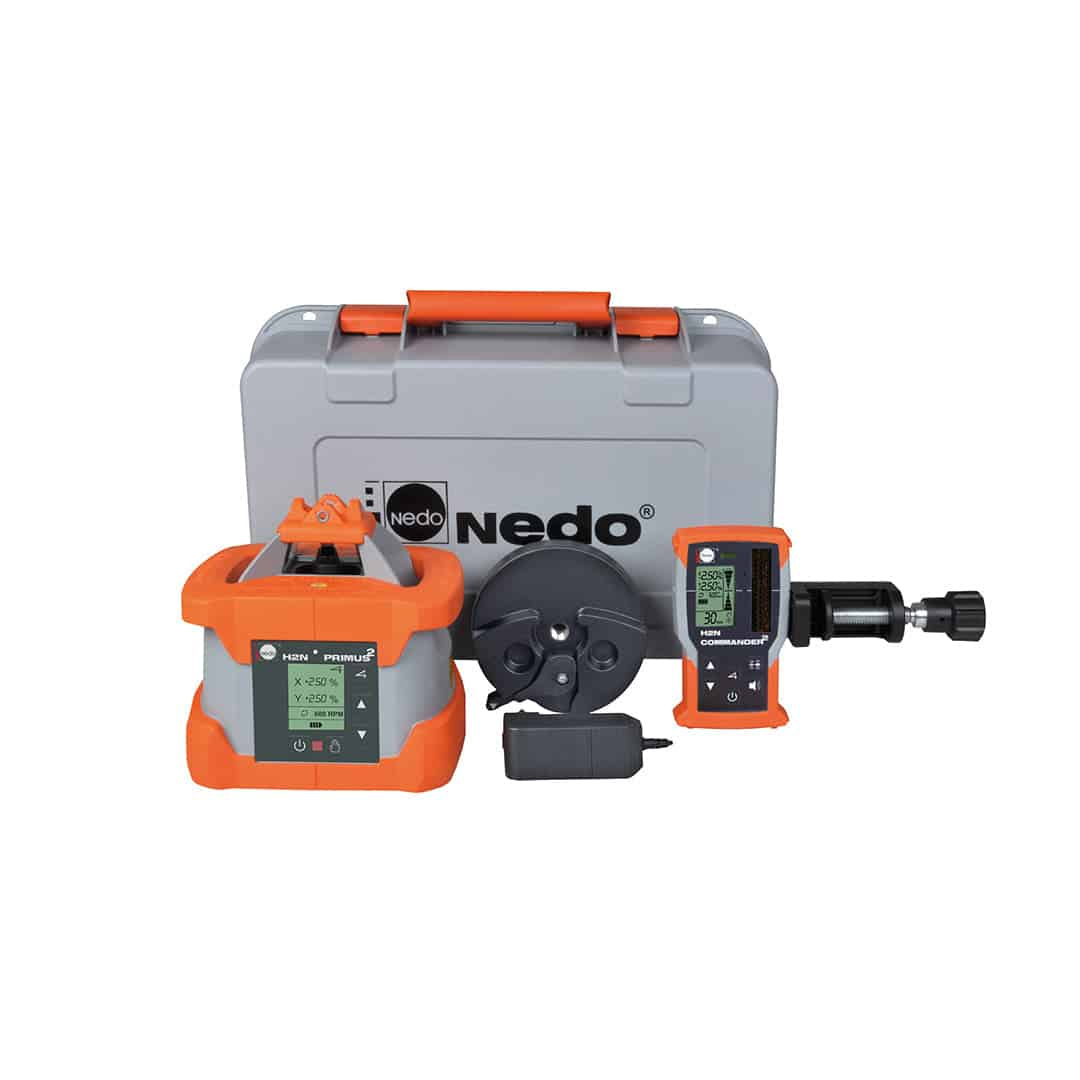
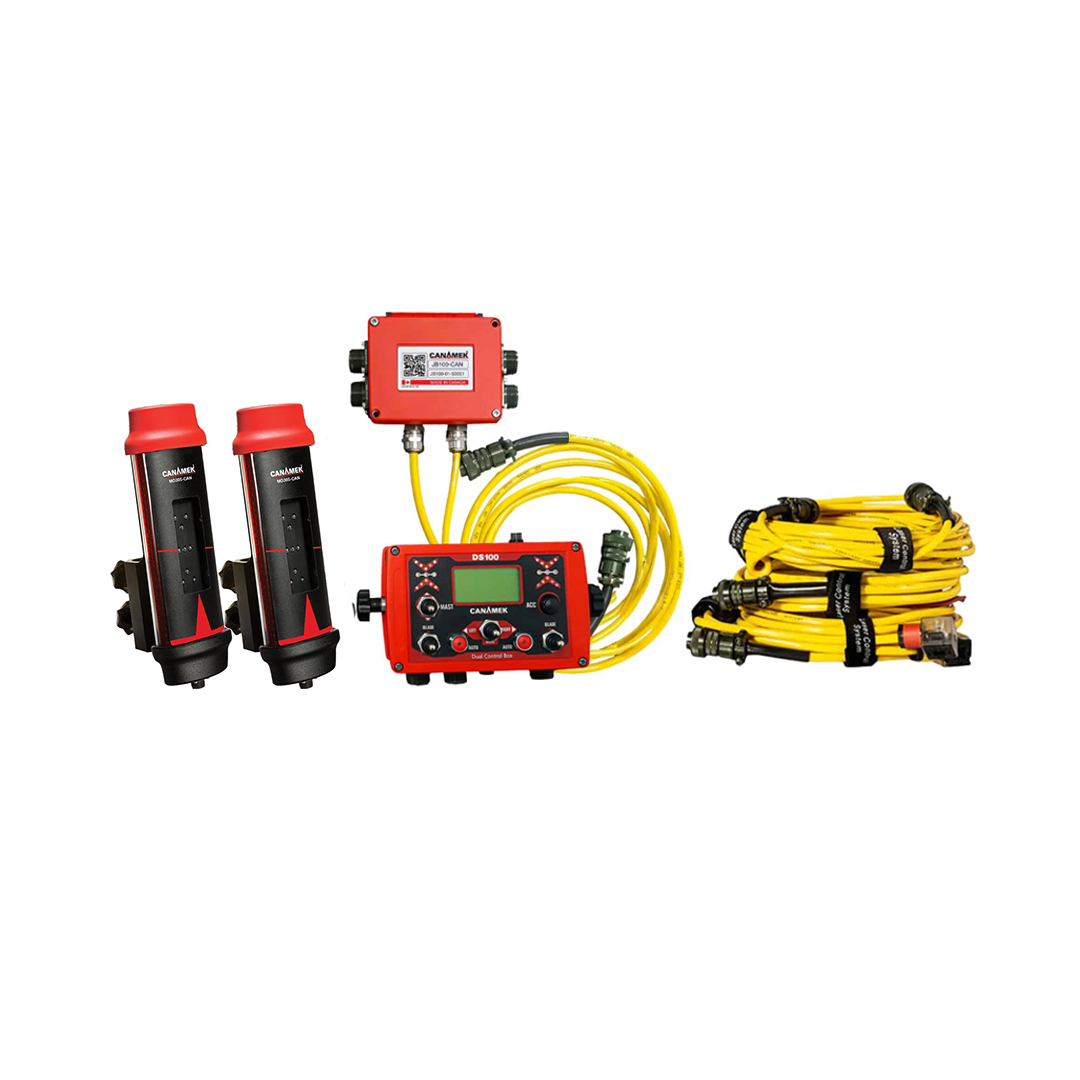
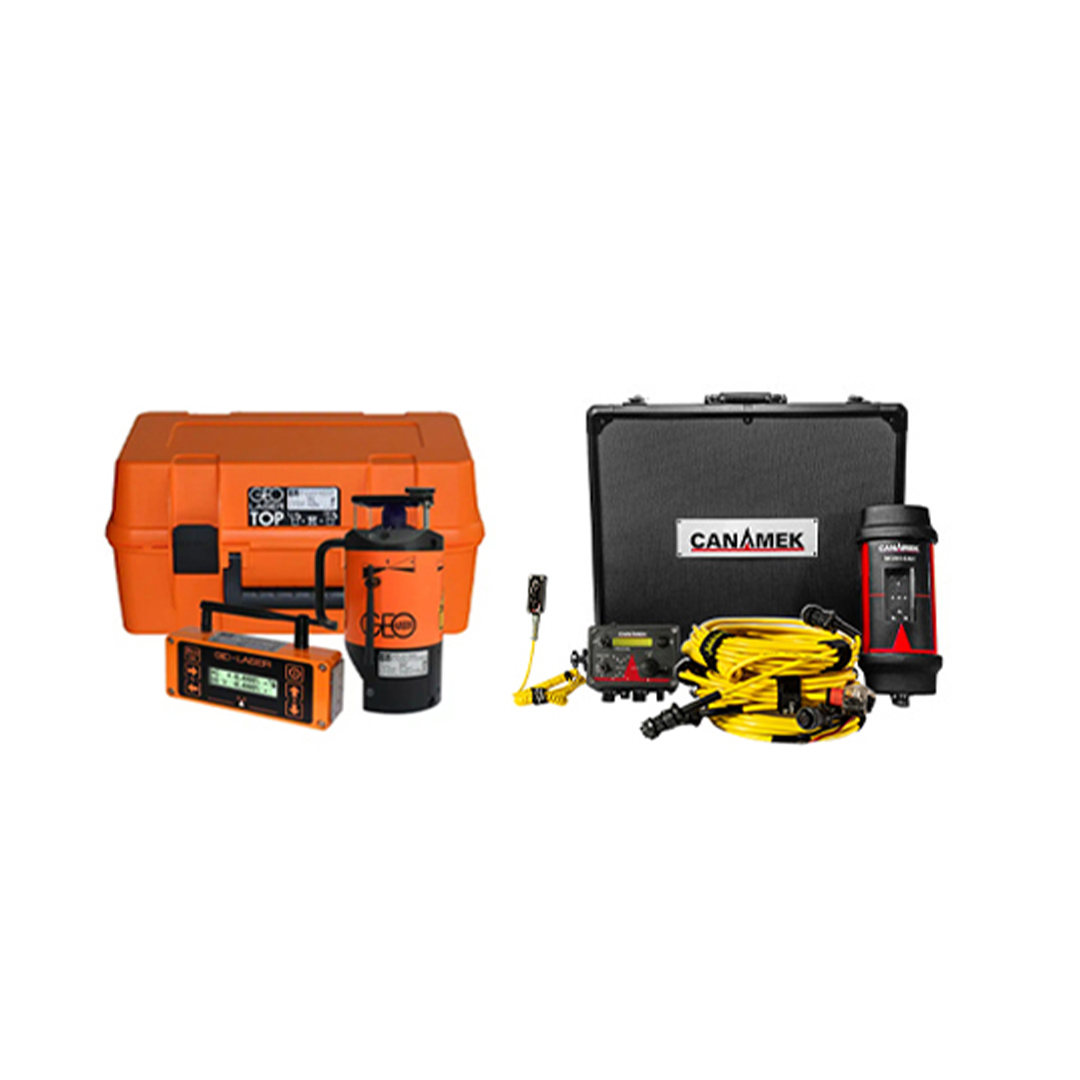
In laser land leveling systems, a laser transmitter and receiver send and receive laser beams containing accurate information about differences in land elevation. Based on this information, the leveling equipment is controlled to achieve the desired surface shape and elevation.
Precision land leveling can help reduce irrigation water consumption, improve water distribution, increase fertilizer-use efficiency, and create better growing conditions for crops. It can also contribute to increasing cultivable areas, improving productivity, and reducing problems caused by uneven land surfaces.
Weed Control Using Laser Technology
Traditional weed control methods in agriculture mainly rely on herbicides or tillage. However, these methods can cause unwanted environmental impacts and may affect human health and ecosystems when not properly managed.
Laser technology can be used to target weeds precisely. When a laser beam is directed at a weed, localized heating damages plant tissues and causes them to dry out. This can help prevent weed growth or eliminate unwanted plants.
One of the major advantages of this technology is its ability to target weeds precisely, reducing the need for chemical herbicides while protecting crops when the process is carried out using accurate and properly designed systems.
Supporting the Development of Modern Agricultural Technologies
Laser sensors and systems can be used to collect accurate information about land surfaces and elevations and to create high-resolution maps of agricultural areas.
The data collected by these technologies can also be integrated with artificial intelligence and precision agriculture systems to analyze soil and crop conditions and support more accurate agricultural decision-making.
Modern laser-based weed control systems are also being developed. Some of these solutions combine laser technology with computer vision and artificial intelligence to identify and target weeds automatically and precisely. This can help reduce herbicide use and lower production costs.
Environmental Sustainability Through Laser Technology
Laser technologies can contribute to sustainable agriculture by reducing dependence on certain chemical inputs and improving the accuracy of agricultural operations.
For example, laser-based weed control systems can help reduce the use of herbicides, while laser land leveling systems can improve irrigation water distribution and reduce water waste.
More precise use of agricultural resources can also reduce negative impacts on soil, water, and the environment while supporting more sustainable crop production.
Challenges of Using Laser Technology in Agriculture
Despite the many advantages of using laser technology in agriculture, there are also several challenges that need to be considered.
One of the main challenges is the possibility of technical problems developing over time, particularly in sensors and electronic systems. Reduced performance of certain components may require regular calibration and maintenance to ensure the continued accuracy and reliability of the system.
The initial cost of some advanced laser systems can also be a barrier to widespread adoption, particularly for farmers operating small farms or those with limited financial resources.
From a technical perspective, some systems require trained operators who are capable of operating the equipment and performing the necessary calibration and maintenance. Different environmental conditions may also affect the performance of certain technologies. Therefore, the appropriate system should be selected according to the characteristics of the project and the agricultural environment.
Despite these challenges, laser technology offers significant potential for improving the precision of agricultural operations, increasing productivity, and improving the efficiency of resource use.
Conclusion
The role of laser technology in agriculture is expanding rapidly, and laser-based solutions are becoming part of the modern technologies used to improve agricultural operations.
Laser technology can be applied in various areas, including soil analysis, plant biostimulation, land leveling, weed control, and precision agricultural mapping.
These applications can improve the accuracy of agricultural operations, increase the efficiency of water and agricultural input use, and reduce certain negative environmental impacts.
As artificial intelligence, sensors, robotics, and precision agriculture systems continue to advance, laser technologies are expected to become more sophisticated and widely adopted in agriculture. This development can create opportunities for more accurate, efficient, and sustainable agricultural solutions in the future.