
Precision Agriculture
What Is Modern Agriculture? Benefits, Disadvantages and Methods
What Is Modern Agriculture? + Advantages, Disadvantages, and Methods
Modern agriculture is a new approach based on the use of advanced technologies and modern techniques to optimize food production processes, reduce costs, and increase productivity. This type of agriculture aims to use natural resources more efficiently by applying modern machinery and advanced tools while minimizing environmental impacts.
How Does Modern Agriculture Help Farmers?
Modern agriculture helps farmers in many different ways. In addition to increasing productivity, it can reduce production costs and improve the quality of agricultural products. Farmers can also use accurate data and advanced equipment to manage their land and crops more effectively.
Increasing Productivity and Efficiency
One of the biggest advantages of modern agriculture is increased efficiency and productivity. By using advanced machinery and technologies, farmers can produce larger quantities of crops in less time and with greater efficiency.
Reducing Labor Requirements and Costs
The use of robots and automated machinery reduces the need for manual labor. This can significantly reduce operational and production costs for farmers.
Better Resource Management and Control
Different water, soil, and crop sensors help farmers understand the precise needs of their crops and optimize the use of resources such as water and fertilizers. These systems can determine the required amount of resources more accurately and help prevent unnecessary waste.
Increasing Profitability
By using advanced technologies, farmers can produce higher-quality crops on a larger scale. Increased production and improved quality can ultimately lead to higher income and profitability.
Differences Between Traditional and Modern Agriculture
Traditional and modern agriculture differ in several important ways. Traditional agriculture generally relies more on manual methods and human labor, while modern agriculture uses machinery, smart equipment, and advanced technologies.
Use of Technology
Modern agriculture uses technologies such as automated tractors, soil sensors, positioning systems, and agricultural robots. In traditional agriculture, many activities are carried out using manual labor and simple tools.
Resource Management
Advanced technologies allow farmers to manage resources more accurately and reduce the waste of water, fertilizers, and other agricultural inputs.
Environmental Impact
Modern agriculture aims to reduce negative environmental impacts through efficient resource management and the use of advanced technologies. In traditional farming methods, the lack of accurate data and modern management technologies can lead to higher resource consumption.
Production Efficiency
Modern agriculture uses advanced equipment, high-yield seeds, and precise management methods to increase production. In traditional agriculture, productivity depends more heavily on land conditions, available labor, and traditional farming practices.
Value Chain
The value chain in modern agriculture can be extensive and international, with different activities becoming more specialized. In contrast, traditional agricultural value chains are generally local or regional.
Importance of Modern Agriculture
The importance of modern agricultural systems lies in their ability to address challenges such as population growth, climate change, and limited natural resources. Modern agriculture can increase production and productivity while reducing resource consumption and environmental impacts through the use of modern agricultural machinery and precise farming methods.
Advantages of Modern Agriculture
Modern agriculture can provide various benefits in Iran and other countries. Increased productivity, improved crop quality, reduced production costs, and efficient resource utilization are among its most important advantages.
The main advantages of modern agriculture include:
Increased crop production
Improved land and machinery productivity
Reduced water consumption
Lower production costs
Reduced dependence on manual labor
More accurate land and crop management
Improved crop quality
Efficient use of fertilizers and other agricultural inputs
Reduced resource waste
Data-driven decision-making
Disadvantages of Modern Agriculture
Despite its many benefits, modern agriculture also has some challenges. One of the most important challenges is the high initial cost of purchasing advanced machinery and equipment.
Some of the main disadvantages and challenges of modern agriculture include:
High initial equipment costs
Dependence on advanced technologies and specialized equipment
Need for technical knowledge and training
Equipment maintenance and repair costs
Need for suitable infrastructure
Greater dependence on digital systems and data
These challenges can make the adoption of modern agriculture more difficult for some farmers, particularly small-scale farmers.
Technology and Equipment Used in Modern Agriculture
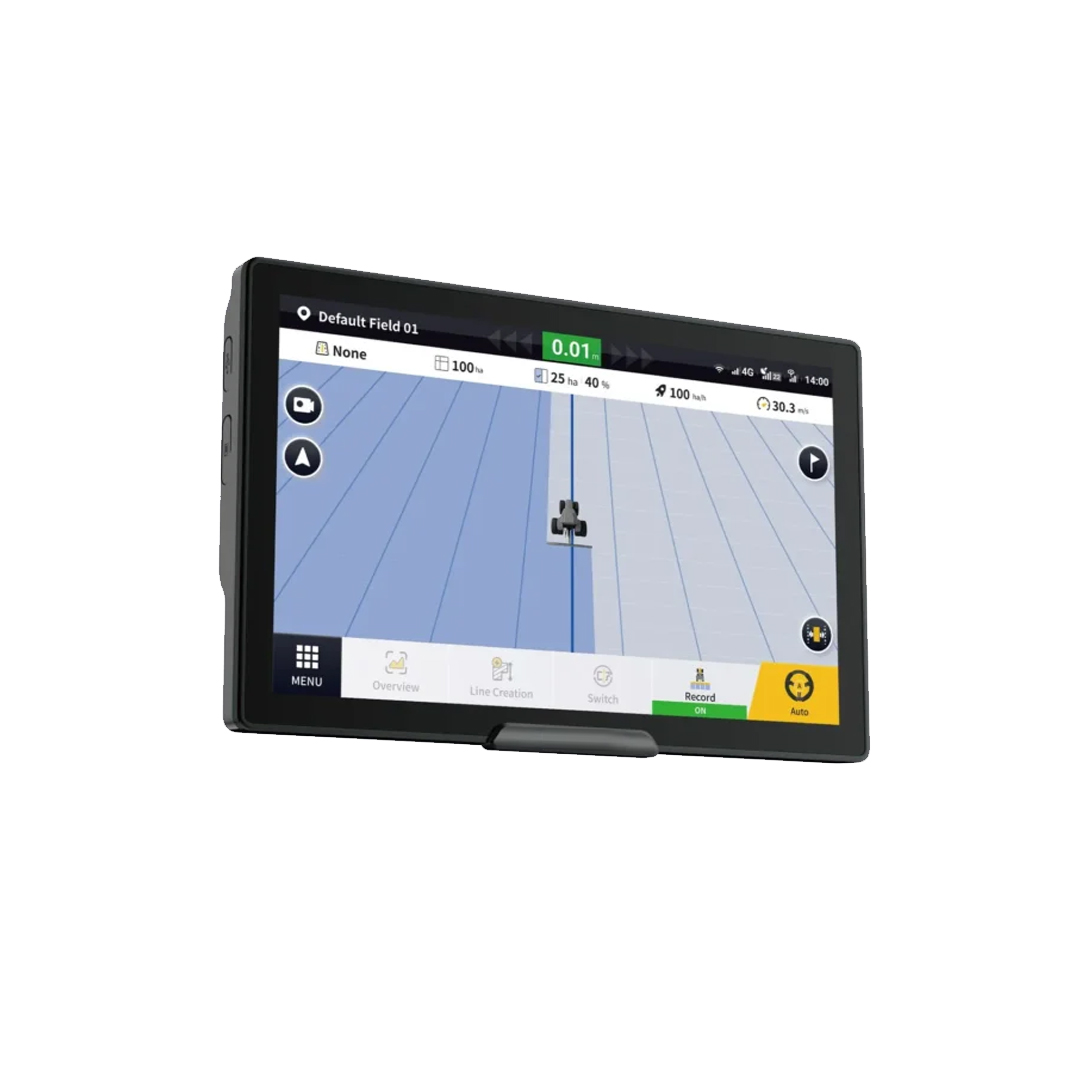
Advanced technologies are widely used in modern agriculture to optimize different farming processes. Drones, smart sensors, agricultural robots, data management systems, GNSS equipment, and automated machinery are among the technologies that can play an important role in modern farming.
These technologies help farmers obtain more accurate information about their land and crops, perform agricultural operations with greater precision, and manage resources more effectively.
Modern Agricultural Techniques for Increasing Productivity
Some of the most important techniques used in modern agriculture include:
Precision agriculture
Smart farming
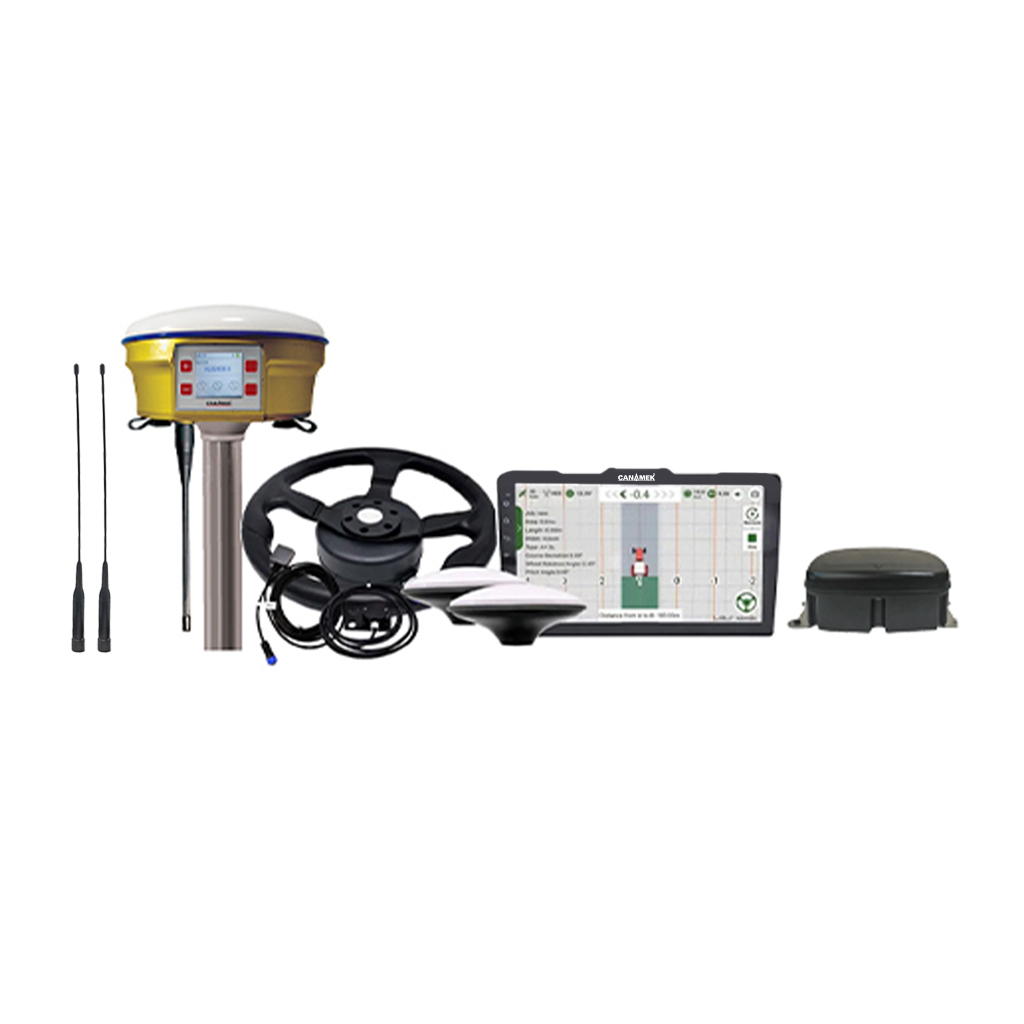
The use of GNSS and RTK systems
Automatic steering for agricultural machinery
Laser land leveling
Satellite land leveling
The use of soil and water sensors
The use of agricultural drones
Robotics and agricultural automation
Agricultural data management
Efficient use of water, fertilizers, and pesticides
Modern Agricultural Equipment
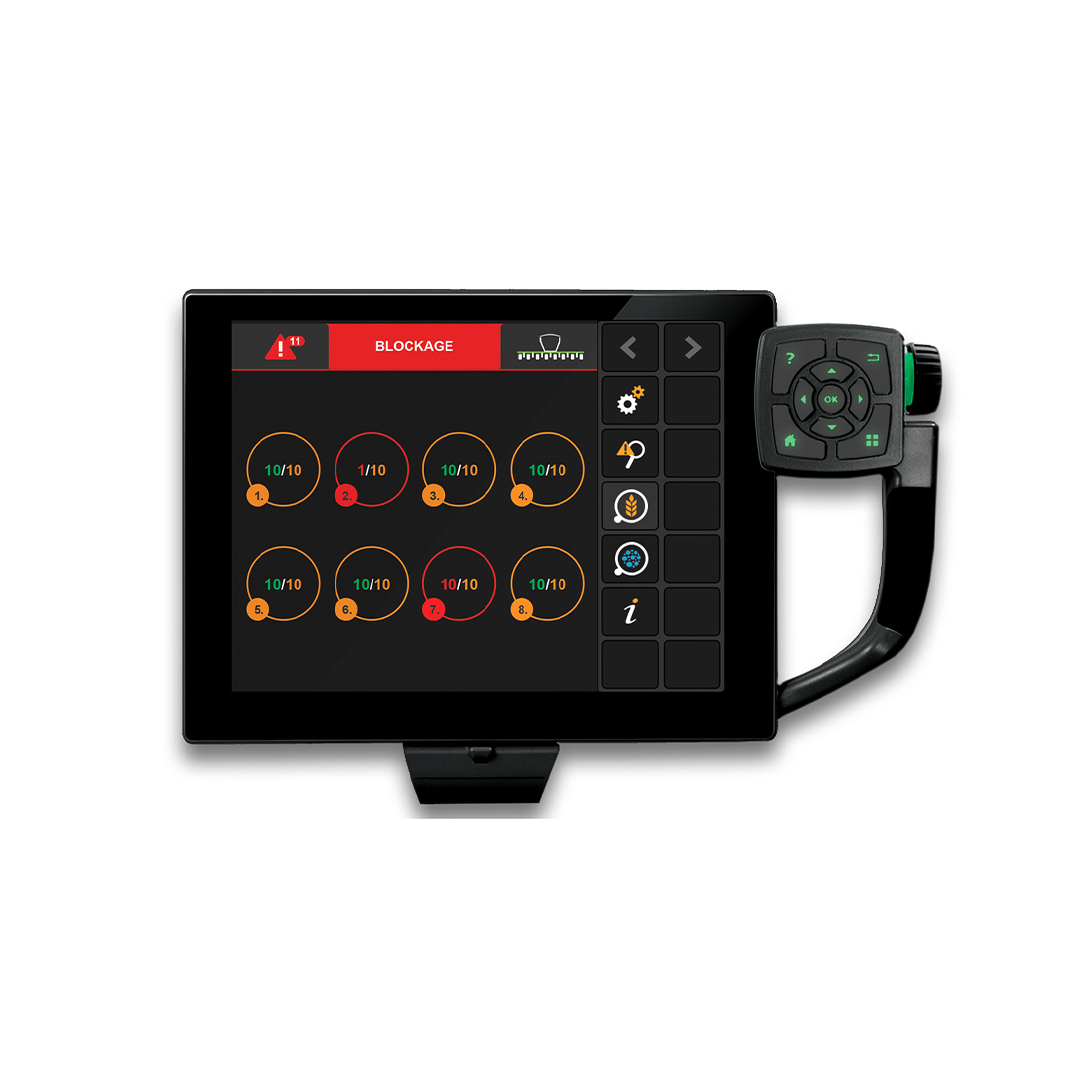
Modern agricultural equipment is designed to increase the accuracy, speed, and efficiency of farming operations. Auto steering systems, laser and satellite land leveling equipment, electronic seeders, GNSS receivers, and smart machinery management systems are among the technologies that can contribute to the development of modern agriculture.
The Future of Modern Agriculture
The future of modern agriculture in Iran and other countries depends on the development of advanced technologies, increased automation, and a stronger focus on sustainability and reducing environmental impacts.
Advances in areas such as robotics, artificial intelligence, the Internet of Things, satellite technologies, and data management can enable more accurate management of farmland and crops. The use of smart agricultural machinery can also help reduce costs, increase productivity, and improve resource efficiency.
Conclusion
Modern agriculture is not limited to the use of new machinery. It is a combination of technologies, management methods, and smart equipment designed to increase productivity and optimize the use of resources.
Technologies such as GNSS, RTK, auto steering, laser land leveling, satellite land leveling, and smart agricultural systems can play an important role in moving agriculture toward greater precision, efficiency, and productivity.