Precision Agriculture
Land Leveling in Autumn: Precise Field Preparation for the Next Growing Season
Land Leveling in Autumn: Precise Field Preparation for the Next Growing Season
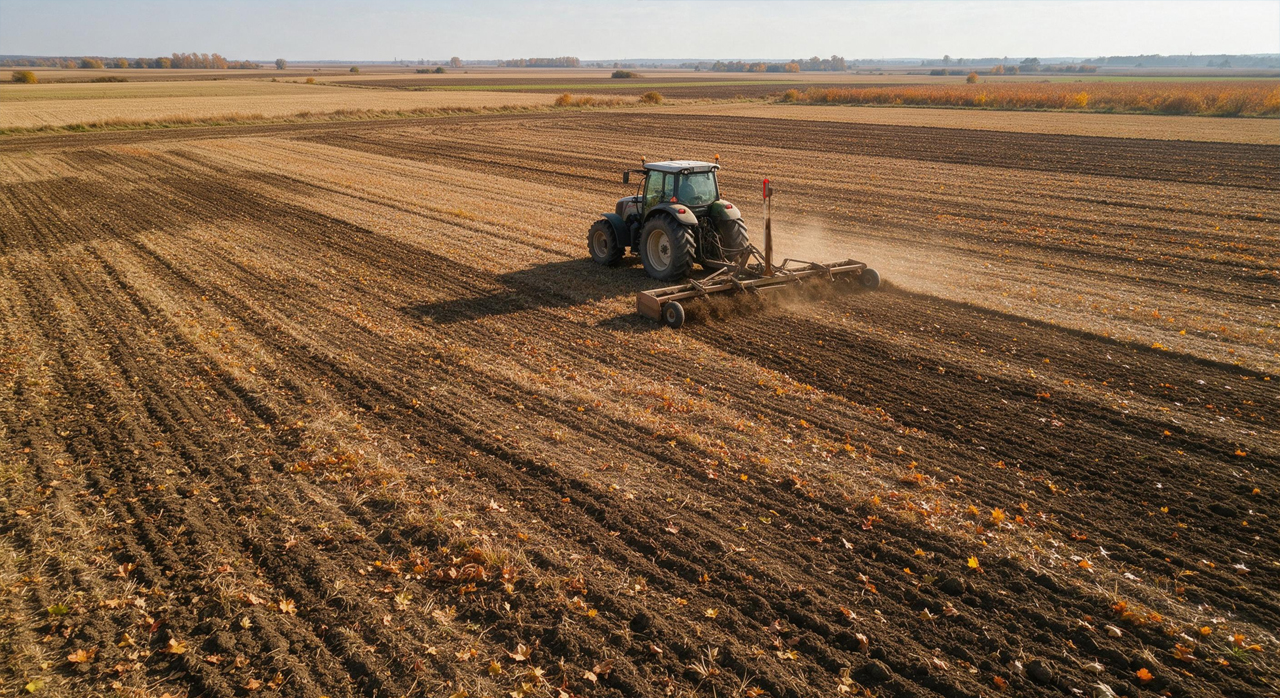
Autumn, after the harvest season, is a suitable time to inspect agricultural fields and prepare them for the next growing season. During this period, uneven surfaces, elevation differences, and slope-related problems can be identified and corrected. Precise land leveling in autumn can contribute to better water management, improved agricultural operations, and more effective field preparation for the next crop.
Why Is Land Leveling Important in Autumn?
Uneven field surfaces can lead to irregular water distribution across agricultural land. Water may accumulate in lower areas while higher parts of the field receive insufficient water. In addition to reducing irrigation efficiency, this condition can contribute to runoff, soil erosion, and resource losses.
Land leveling in autumn provides an opportunity to identify and correct elevation differences and slope problems after harvest. As a result, the field can be better prepared for the beginning of the next growing season.
Better Water Management Through Precise Land Leveling
One of the main benefits of precise land leveling is more uniform water distribution across the field. When field elevation and slope are properly controlled, water can move across the agricultural land in a more consistent and organized manner.
This is particularly important in areas facing water scarcity. Proper land leveling can help reduce water losses, improve irrigation efficiency, and support more effective management of water resources.
Autumn Land Leveling and Preparation for the Next Crop
Performing land leveling after harvest provides a suitable opportunity to prepare the field before the new growing season begins. A properly leveled field can provide a better foundation for uniform planting, improved crop growth, and more organized mechanized agricultural operations.
A more uniform field surface can also allow agricultural machinery to operate more consistently and accurately during different field operations. This can be particularly useful during soil preparation, planting, and other mechanized activities.
The Role of Technology in Precise Land Leveling
In traditional methods, identifying elevation differences and controlling field slope largely depends on the operator's experience. Today, laser and satellite land leveling systems provide greater control and precision during field leveling operations.
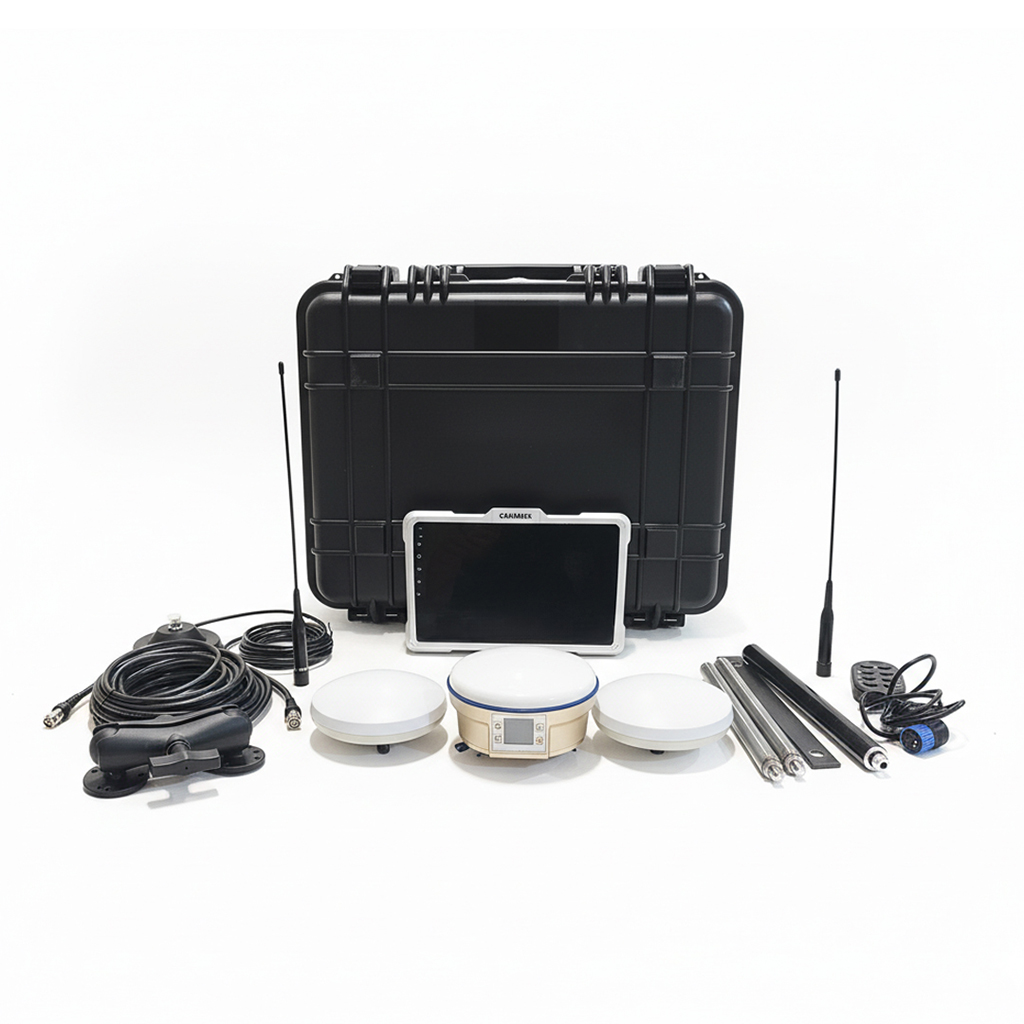
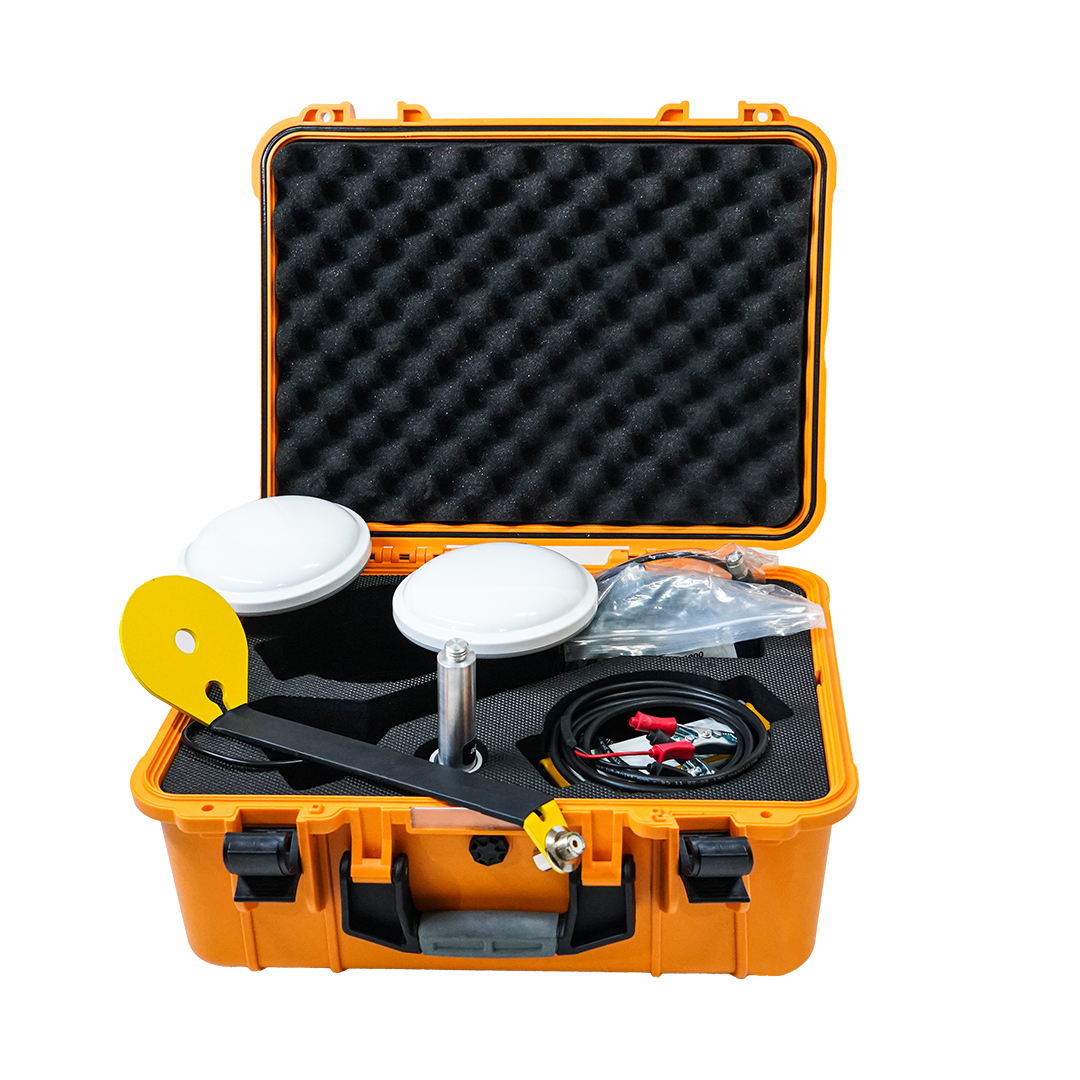
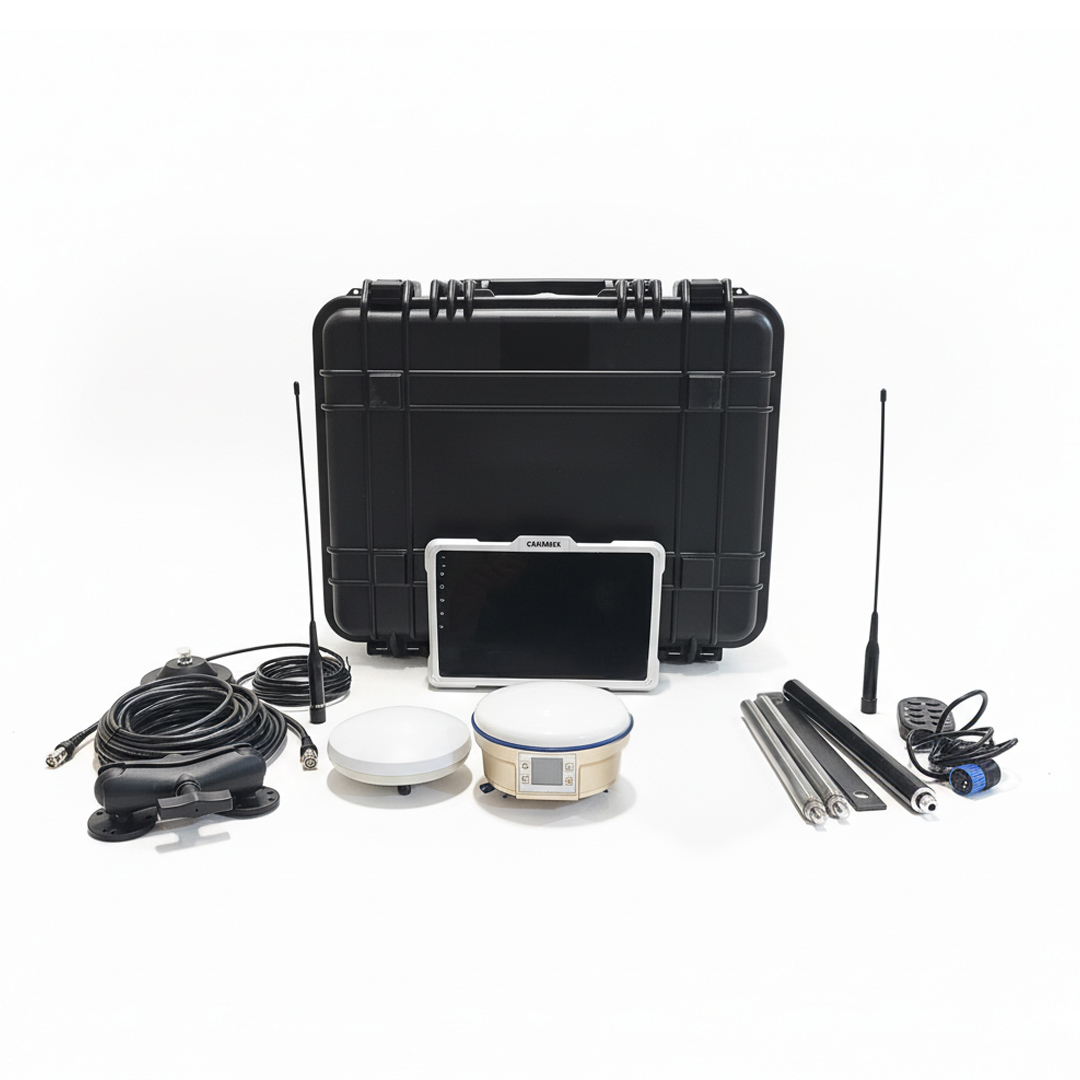
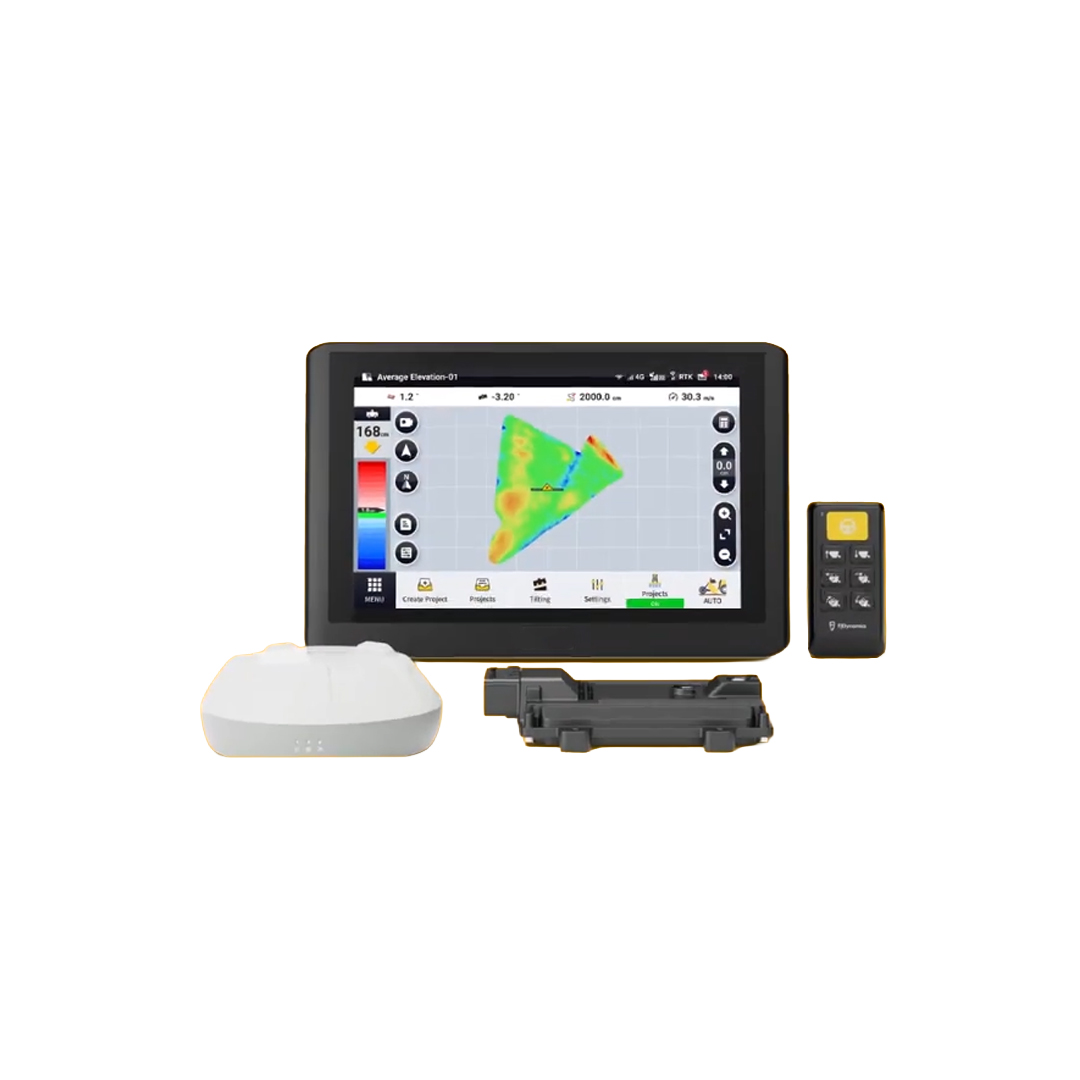
Satellite leveling systems use technologies such as GNSS and RTK to provide information about the position and elevation of different points across the field. This information can then be used to control the machine blade and adjust the field surface.
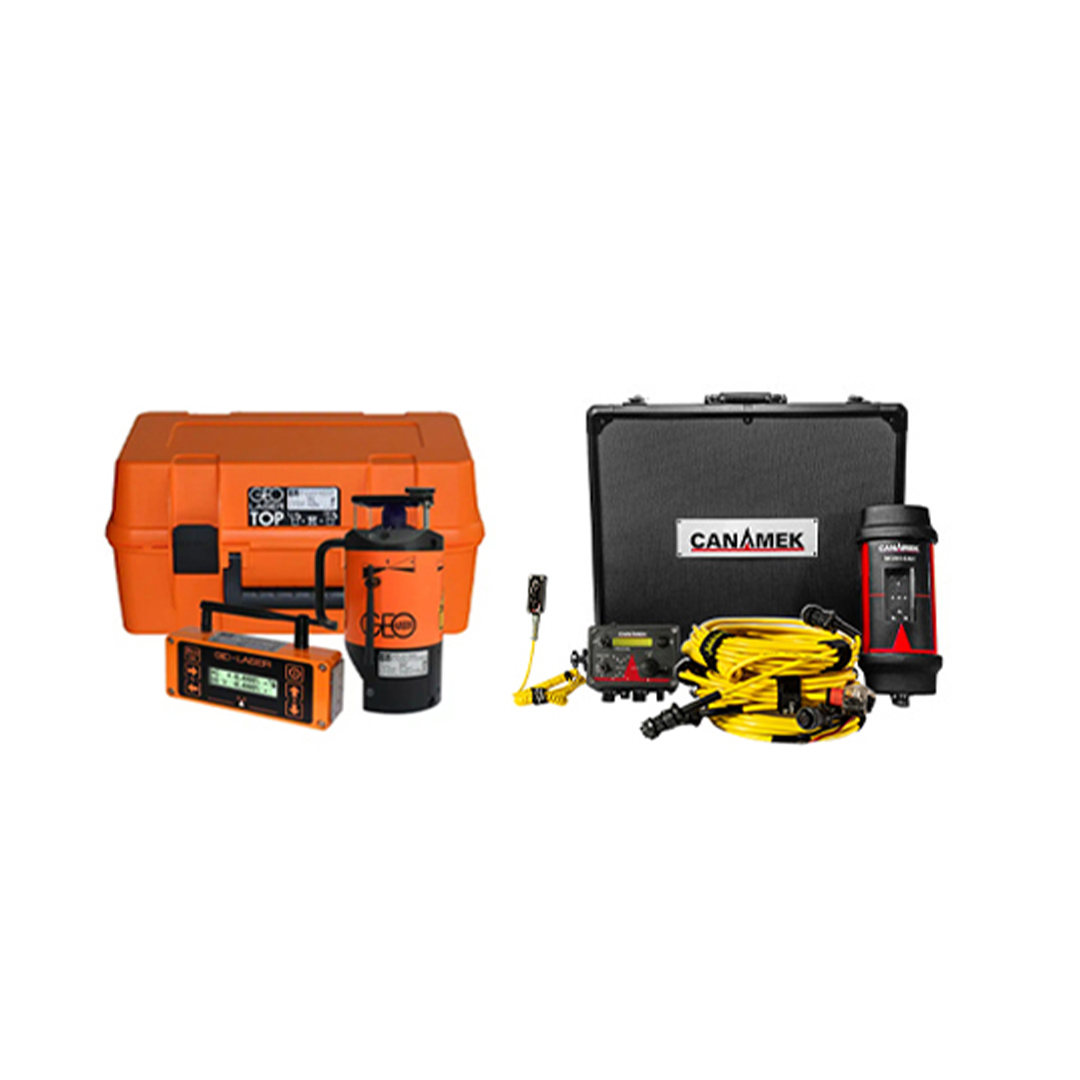
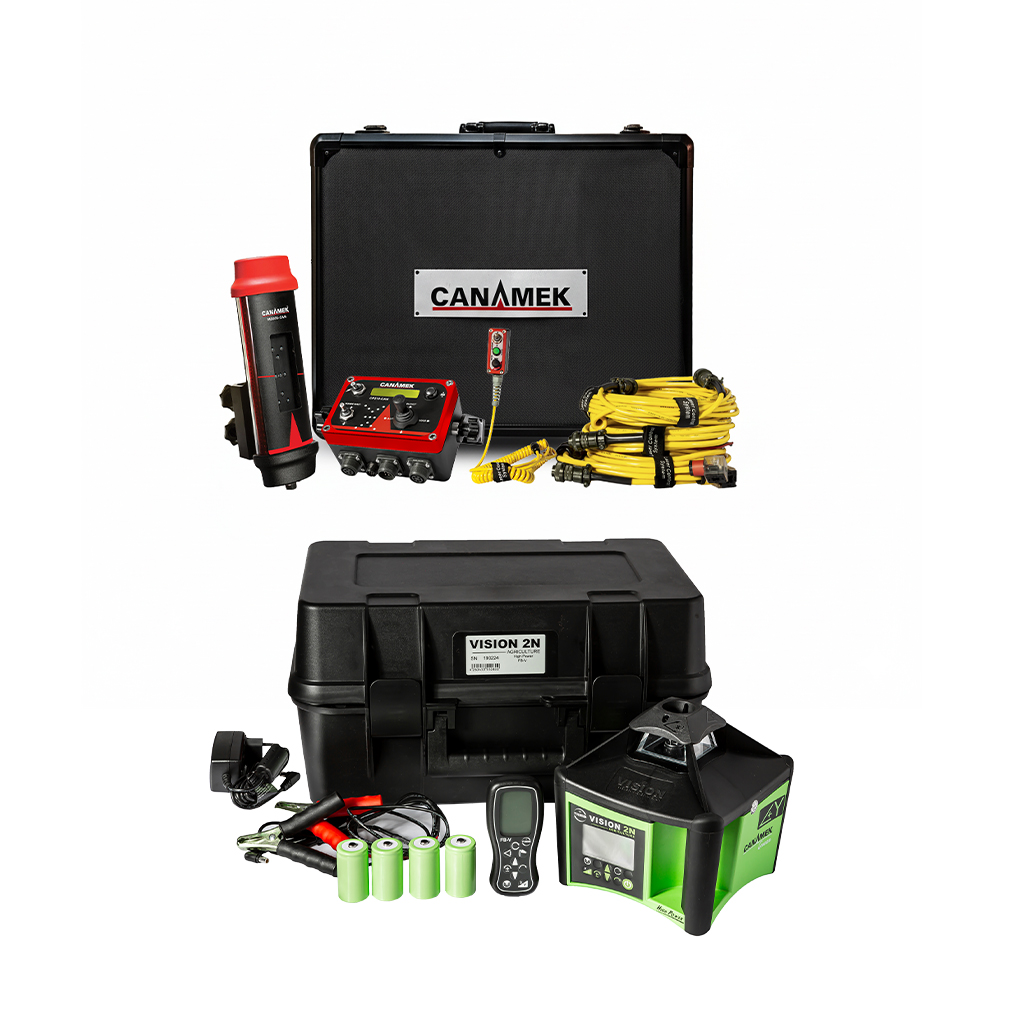
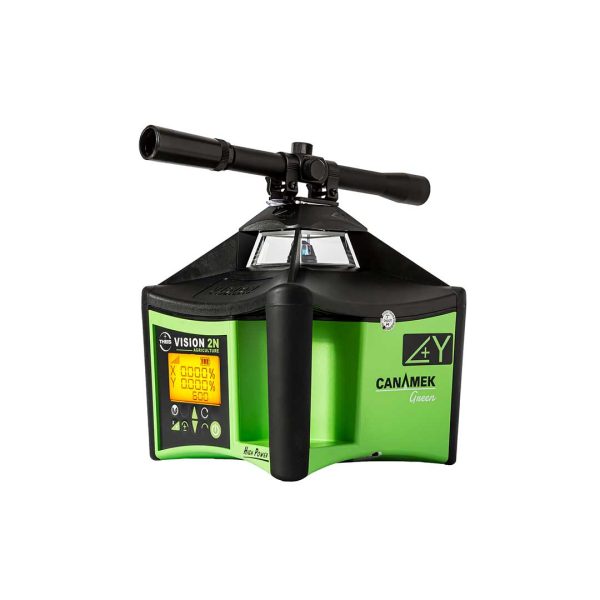
Laser leveling systems can also use suitable equipment to establish the required elevation as a reference for the operation, allowing the blade to be controlled based on the received information.
The use of precision technologies can help reduce unnecessary earthmoving, improve soil cut-and-fill management, and achieve the desired elevation and slope with greater accuracy.
Autumn: An Opportunity for a More Precise Start
Land leveling is not simply a corrective operation. It is an important part of precision farm management and field preparation for the next growing season. Inspecting the field after harvest and correcting uneven areas at the right time can create better conditions for more uniform irrigation, improved machinery operation, and efficient resource management.
A more precise field means better water control, more organized operations, and greater readiness for the next growing season.
By using precision land leveling equipment and modern technologies, autumn can become an effective opportunity to correct field conditions and prepare agricultural land properly for improved productivity in the following season.