
Precision Agriculture
Benefits of Laser Control Systems for Precise Grading and Slope Control
Benefits of Laser Control Systems for Precise Grading and Slope Control
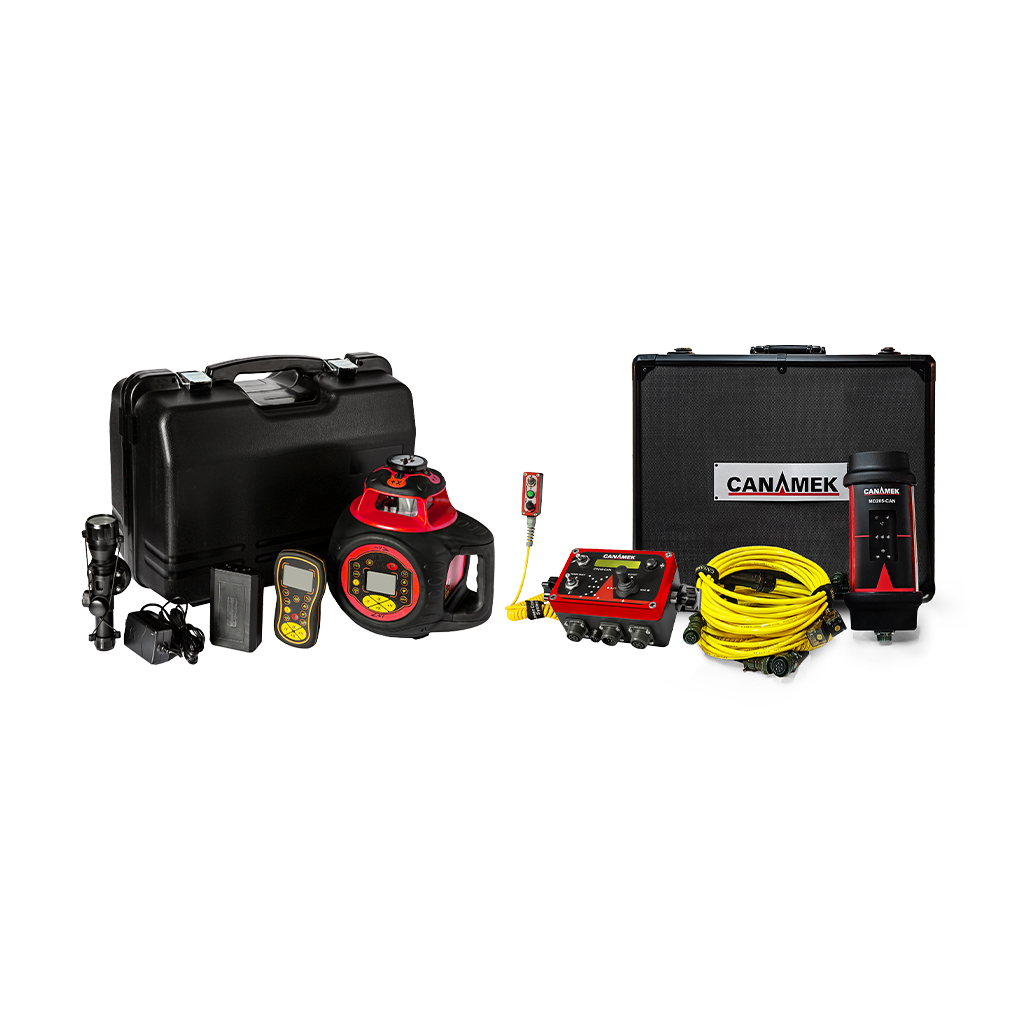
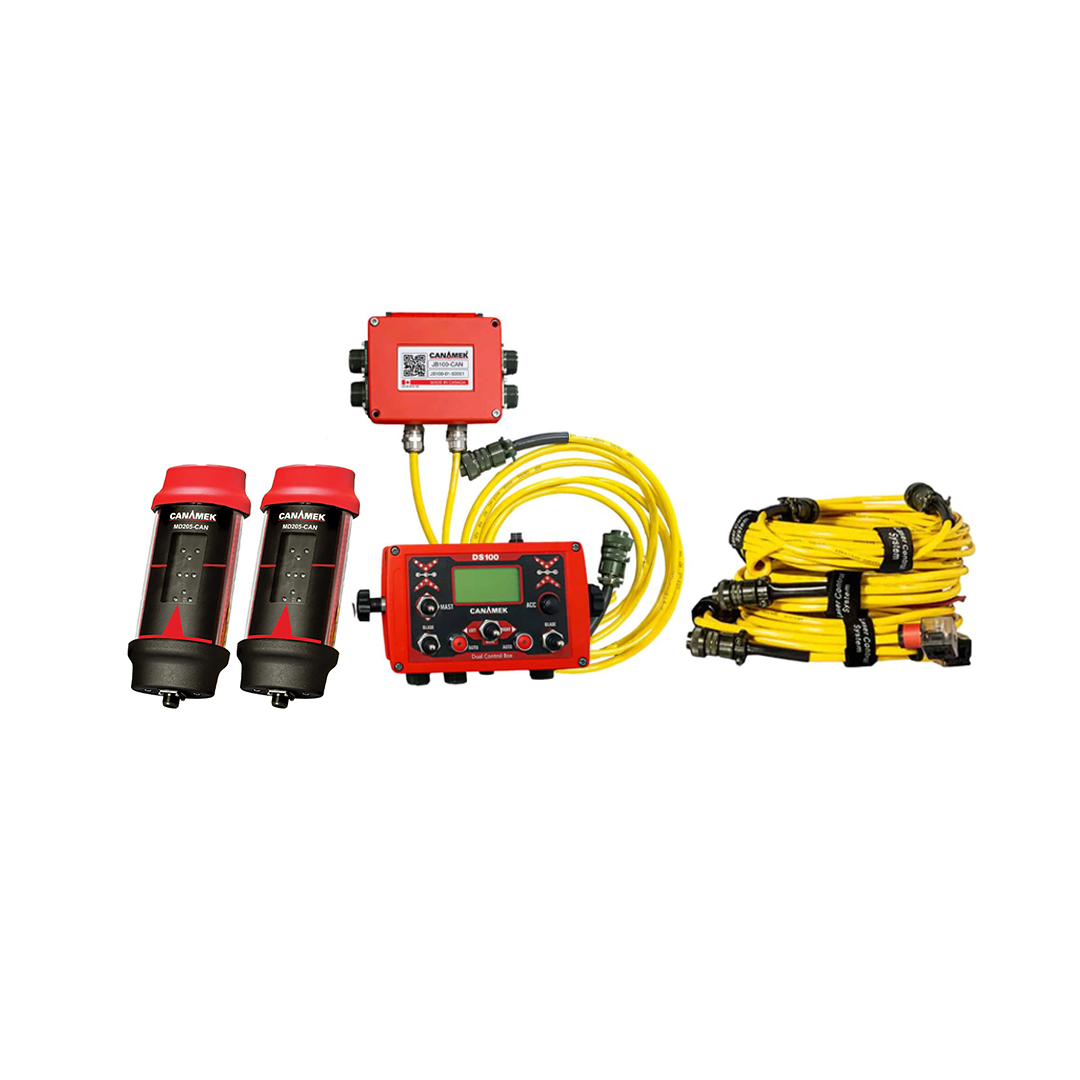
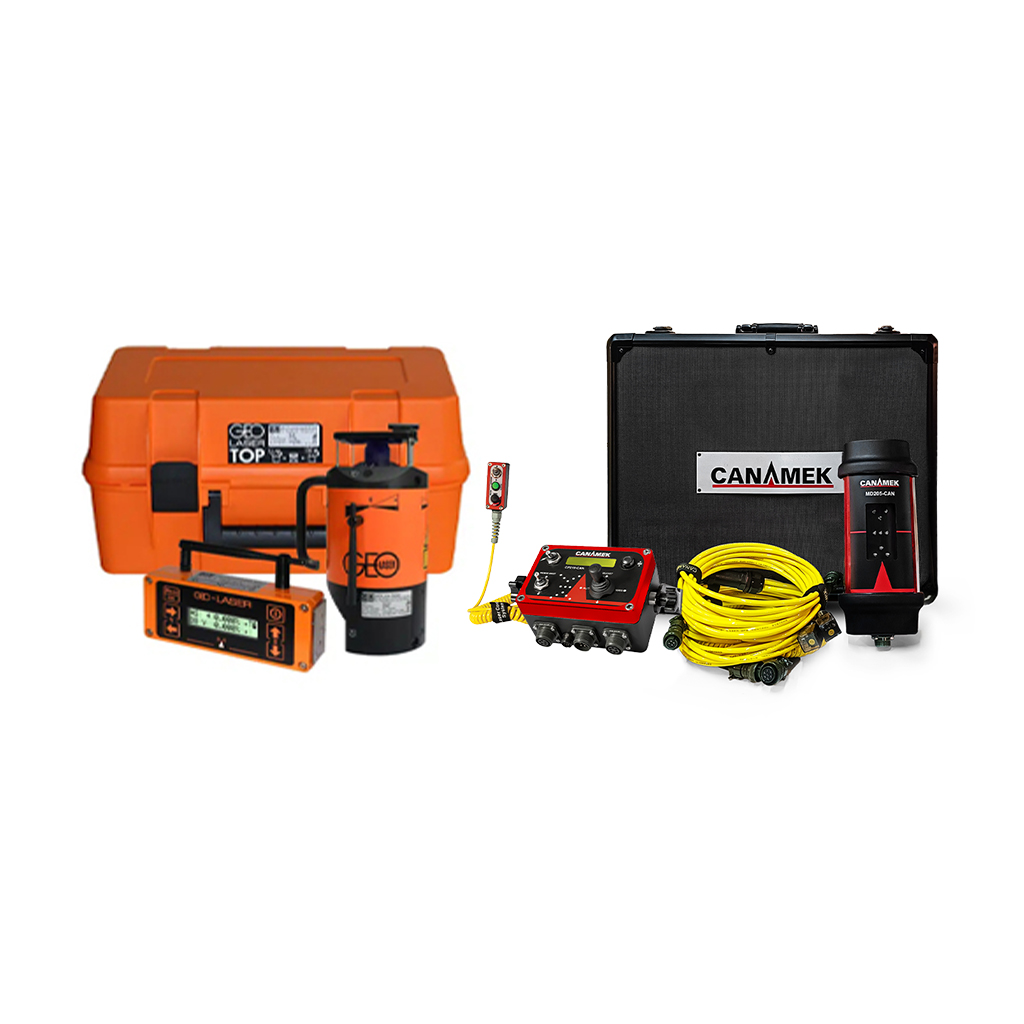
In construction, agriculture, and road construction projects, achieving a surface that accurately matches the required elevation and slope has a direct impact on project quality, material consumption, execution time, and operating costs. A laser control system is a precise technology used to control the elevation and slope of machines such as graders, scrapers, land levelers, and other grading equipment.
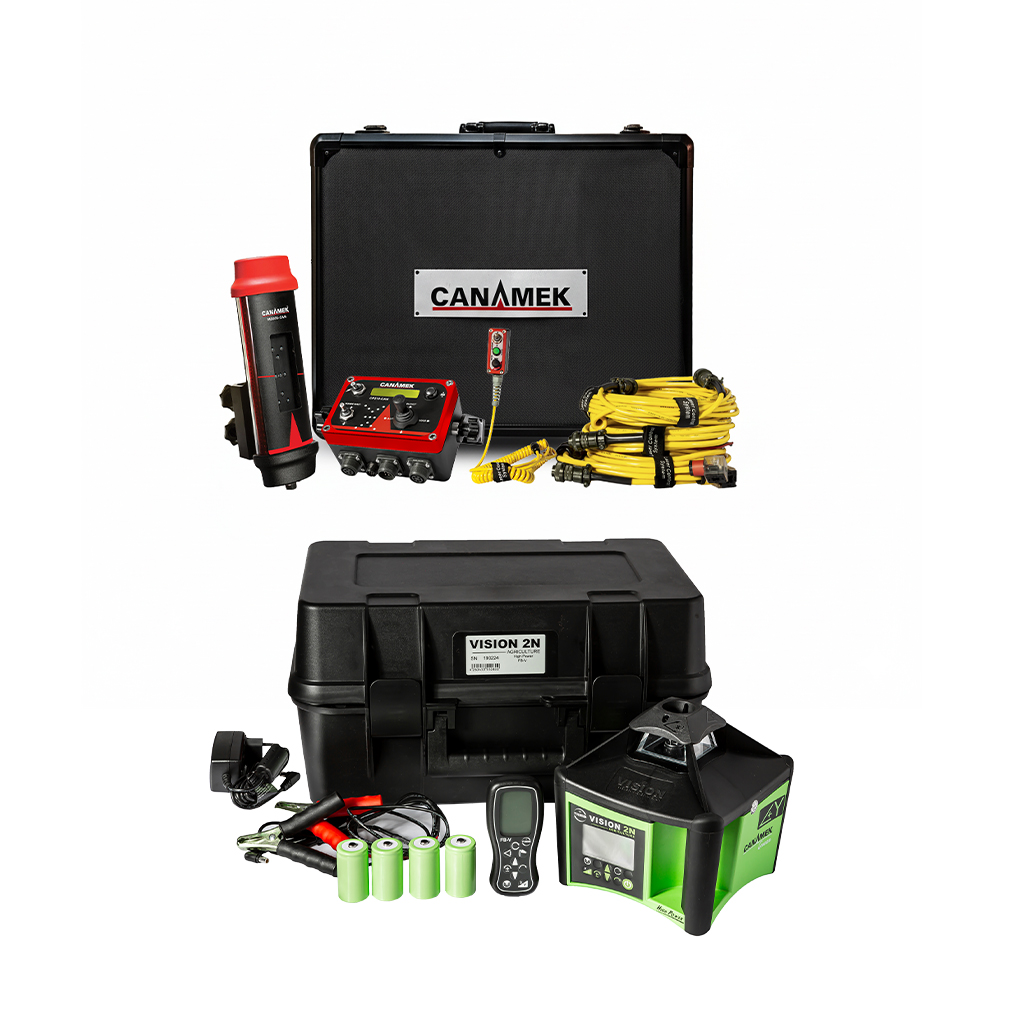
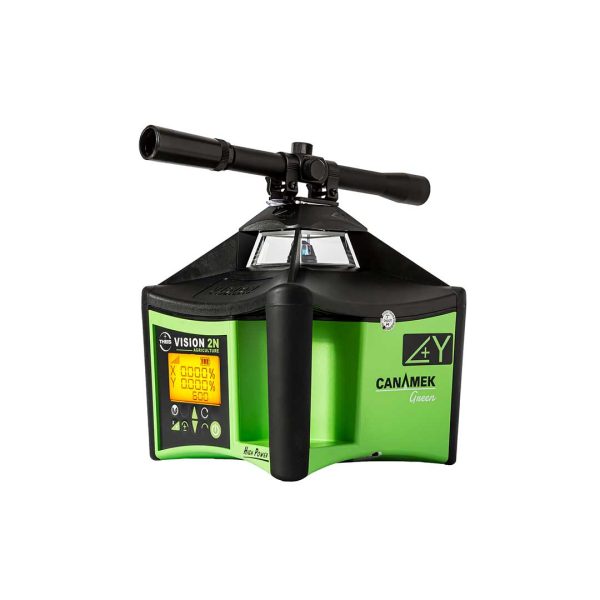
The system uses a laser transmitter and a receiver installed on the machine to detect the position of the blade in relation to a defined reference plane. The collected information can be provided to the operator or hydraulic control system, allowing the blade elevation and slope to be adjusted more accurately during operation.
1. Increased Grading Accuracy
One of the most important benefits of a laser control system is improved grading accuracy. In conventional methods, elevation and slope control often depend on operator experience and manual measurements. A laser system provides a defined elevation reference and allows the position of the blade to be continuously monitored.
As a result, the finished surface becomes more uniform and elevation differences across the project area can be reduced. This is particularly important in projects where the accuracy of the final surface is critical.
2. Reduced Human Error
In conventional grading operations, repeated measurements, checking different points, and manual control can increase the possibility of errors. A laser control system provides real-time information about the blade position and reduces the need for continuous manual measurements.
This helps the operator maintain better control over the blade and perform grading operations with greater accuracy and consistency. The benefit becomes even more significant on large projects where manually checking numerous points is difficult.
3. Reduced Project Execution Time
Accurate control of blade elevation and slope can reduce the number of corrections required during excavation, filling, and grading operations. The operator can monitor the blade position while the machine is moving and make adjustments when necessary.
Reducing unnecessary stops for measurement and surface correction can increase productivity and make more effective use of machine operating time.
4. Reduced Soil and Material Consumption
More accurate grading can reduce unnecessary excavation and filling. When machines operate according to a defined elevation reference, the possibility of removing or placing more material than required is reduced.
This can have a significant economic impact on large projects involving the movement of substantial amounts of soil and construction materials. More accurate execution can also reduce rework and repeated material consumption.
5. Precise Slope Control
Suitable laser control systems can be used not only for elevation control but also for creating surfaces with a specified slope. Accurate slope control is particularly important in projects where drainage, water flow, or geometric surface design is essential.
Important applications include agricultural land leveling, water channel preparation, drainage preparation, landscaping, roadbed construction, and excavation and earthmoving projects.
6. Reliable Performance in Different Working Conditions
Laser control equipment used in agricultural and construction projects should be designed to operate under demanding environmental conditions. Suitable resistance to dust, moisture, vibration, and changing working conditions can contribute to reliable equipment performance.
Therefore, when selecting a laser control system, factors such as measurement accuracy, build quality, equipment durability, and compatibility with the project should be considered.
7. Reduced Dependence on Traditional Measurement Methods
Traditional grading methods often require additional labor for checking elevations, measuring different points, and continuously monitoring the surface. A laser control system simplifies part of this process by providing the operator with the information needed to adjust the blade.
As a result, grading operations can be performed faster, more consistently, and with better control.
8. Increased Machine Productivity
Using an accurate reference for blade control allows construction and agricultural machinery to operate more efficiently. When the blade maintains the required elevation and slope, the work can often be completed with fewer passes and less corrective work.
This can increase machine productivity while reducing operating time and associated equipment costs.
9. Suitable for Various Projects
Laser control systems are not limited to a single type of project. Depending on the equipment and system configuration, this technology can be used in a wide range of agricultural, construction, and road construction applications.
From preparing agricultural fields and performing land grading to roadbed construction, landscaping, excavation, and earthmoving operations, laser control can help create surfaces that more accurately match project design requirements.
Conclusion
A laser control system provides an accurate reference for controlling elevation and slope, helping improve the accuracy, speed, and productivity of grading operations. Reduced human error, less rework, improved slope control, lower material consumption, and more efficient machine utilization are among the key benefits of this technology.
The appropriate system should be selected based on the project type, required accuracy, machine configuration, and environmental conditions to achieve the best performance in grading and slope control.