
Precision Agriculture
Laser Land Leveling in Agriculture: A Smart Solution for Higher Water Efficiency and Better Crop Production
Land leveling is one of the most important stages of field preparation, directly affecting irrigation efficiency, crop uniformity, and overall agricultural productivity. As water resources become increasingly limited and production costs continue to rise, modern farming relies more than ever on advanced technologies that improve resource management. Laser land leveling is one of the most effective solutions, providing a highly accurate and efficient method for preparing agricultural land.
Traditional land leveling methods often depend on the operator’s experience and visual estimation, which can result in uneven field surfaces. These irregularities lead to water accumulation in some areas, insufficient irrigation in others, and reduced crop performance. Laser land leveling eliminates these problems by using precision measurement equipment to create a perfectly leveled field.
What Is Laser Land Leveling?
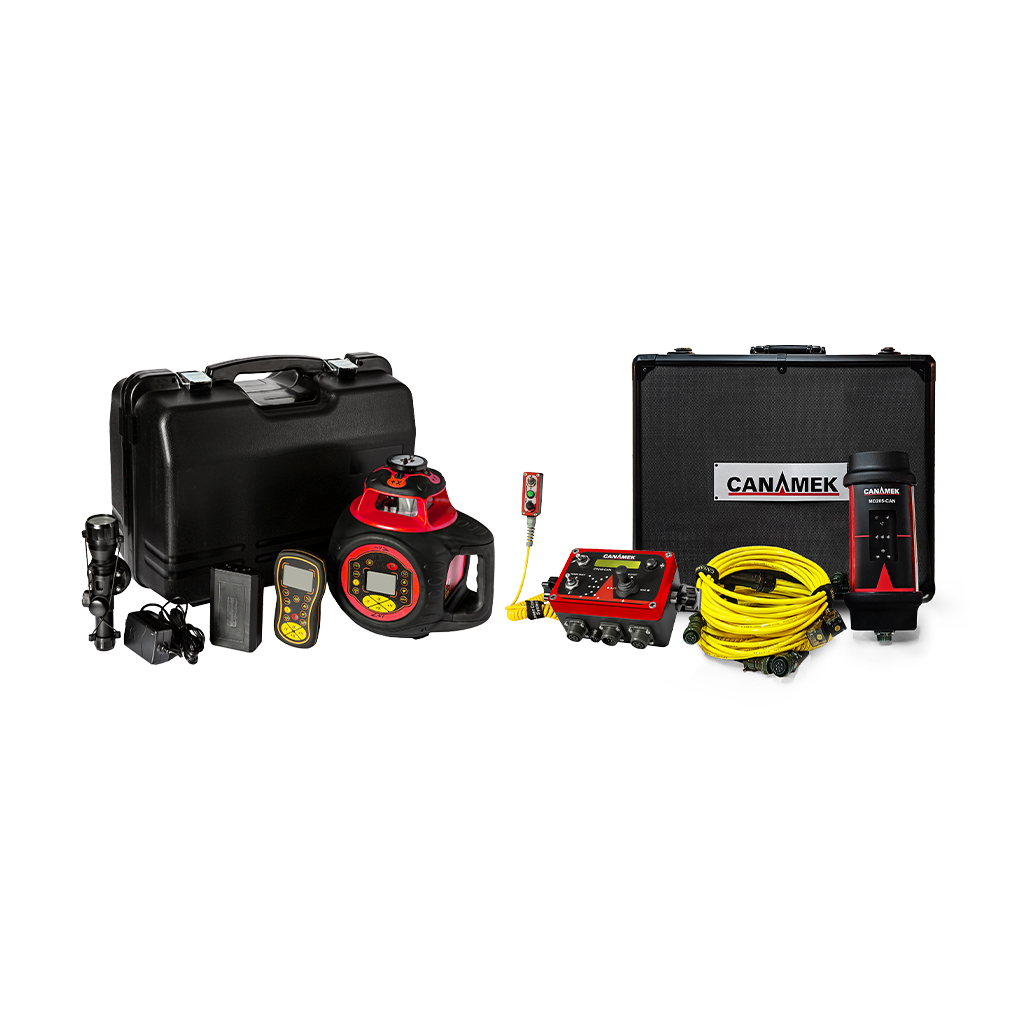
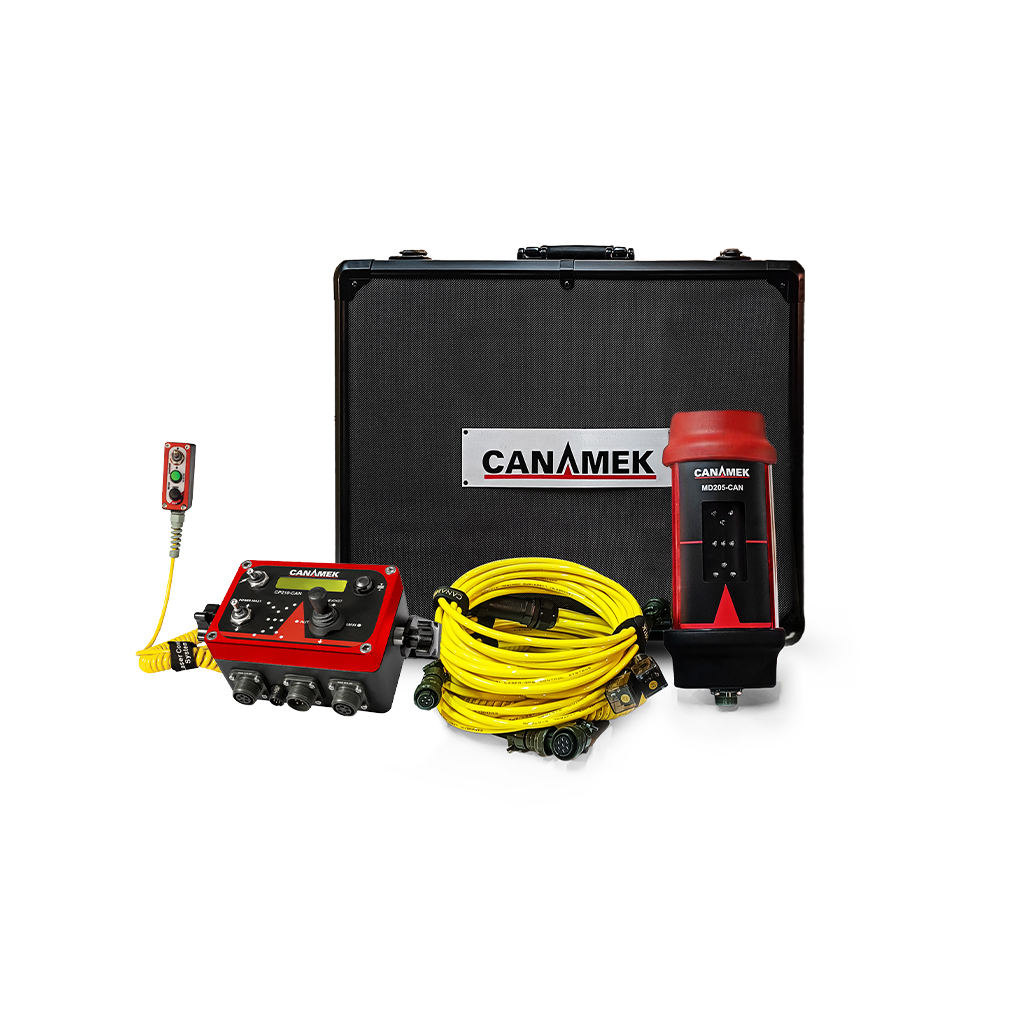
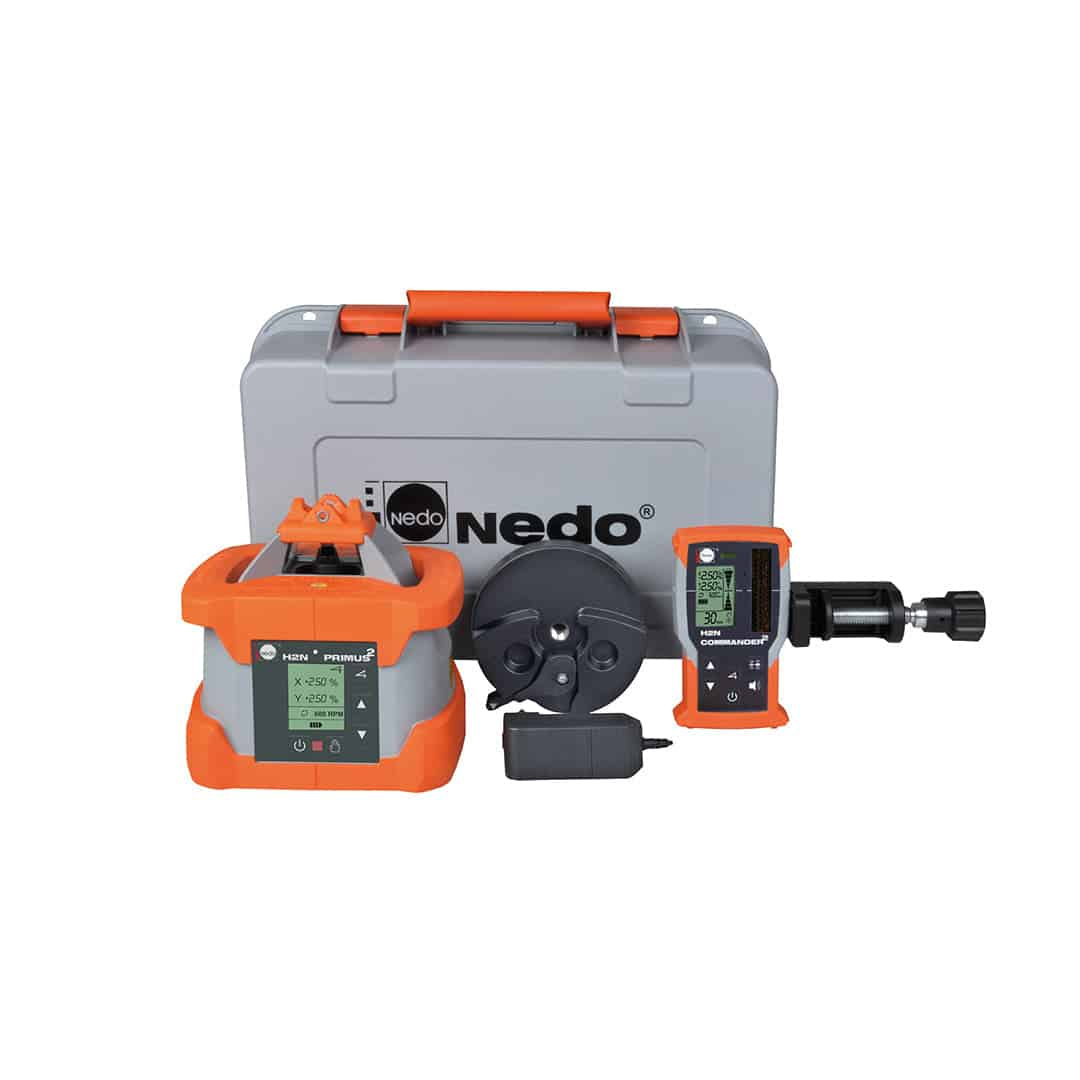
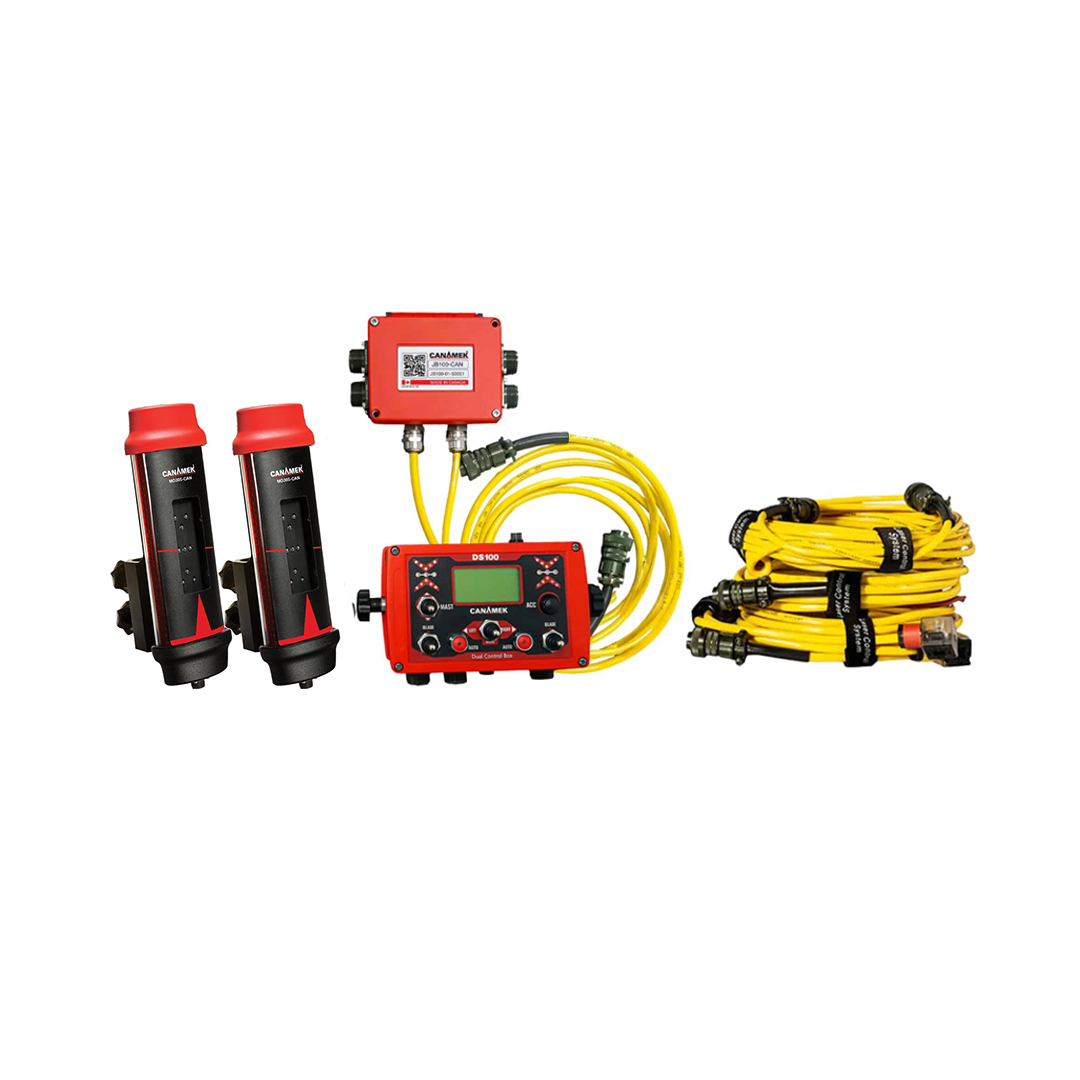
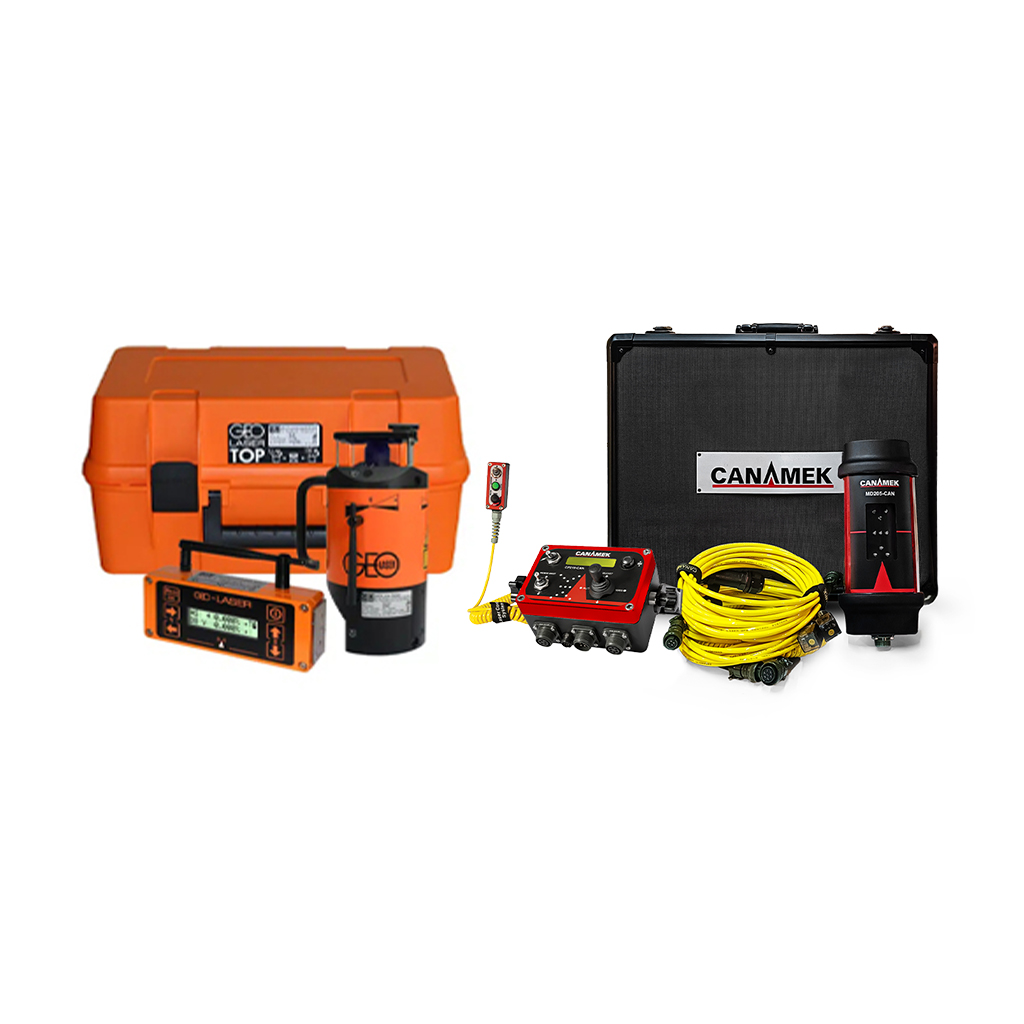
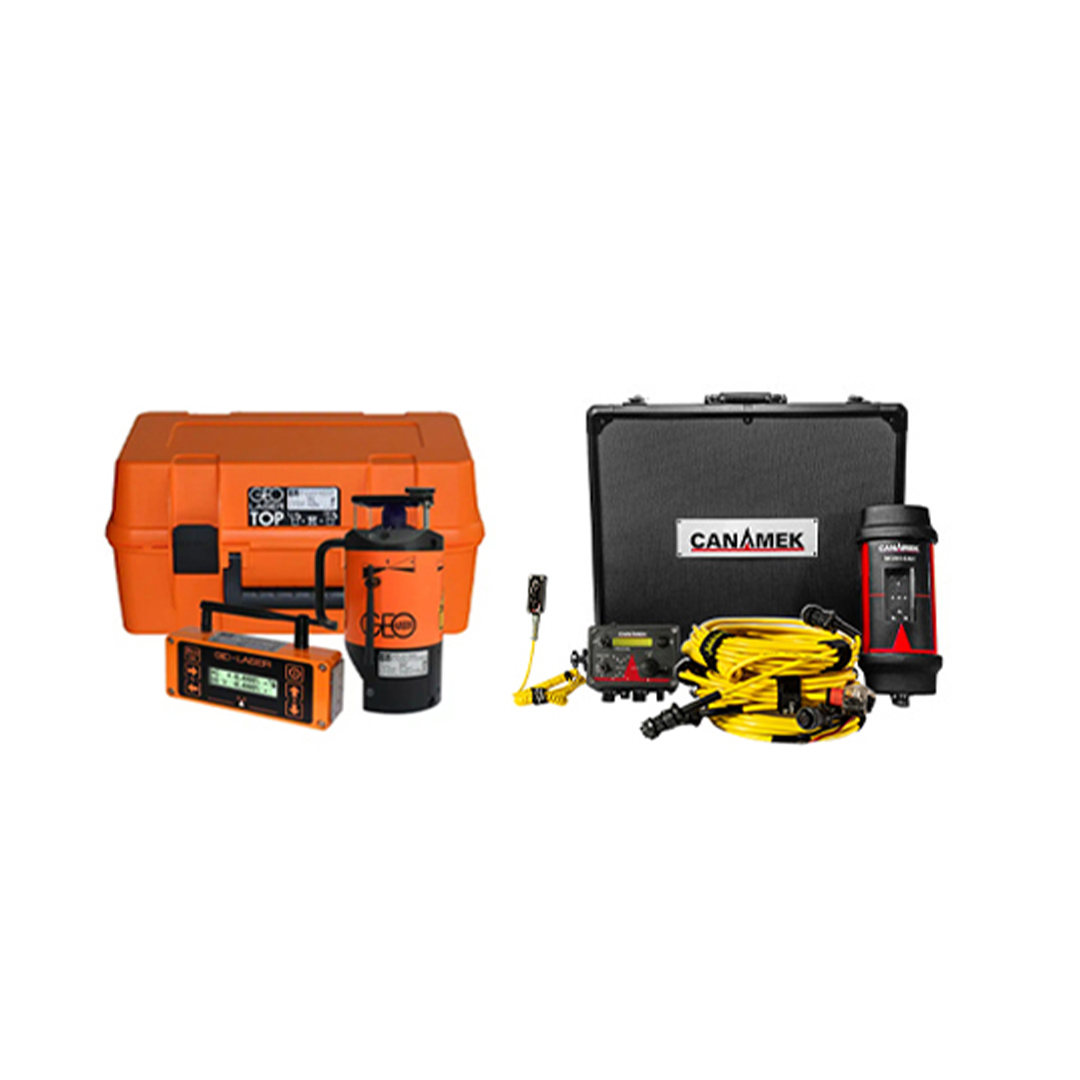
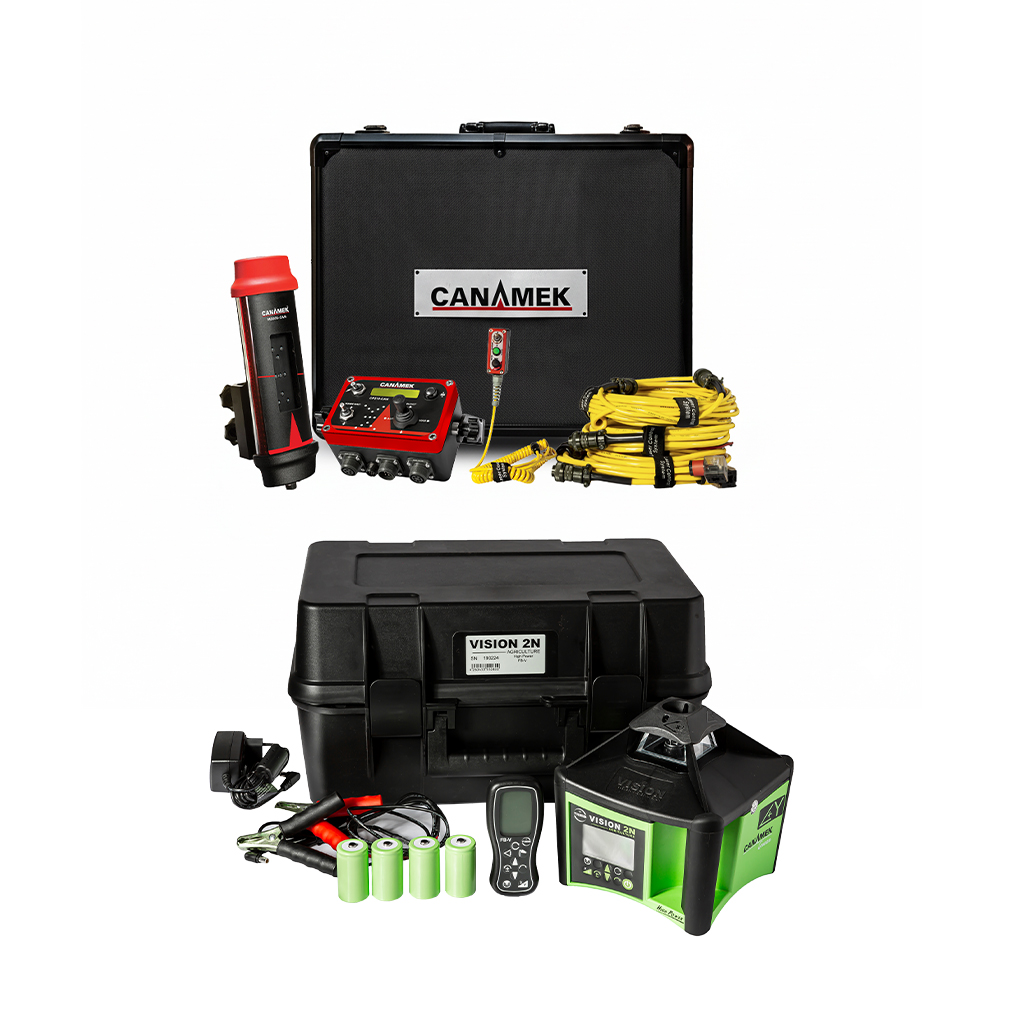
Laser land leveling is a precision agricultural technique that uses a laser transmitter, laser receiver, electronic controller, hydraulic control system, and a laser scraper or land leveler to create a smooth and uniform field surface.
The system automatically adjusts the scraper blade according to the laser reference plane, achieving leveling accuracy of approximately 2 to 3 centimeters. Compared to conventional methods, laser land leveling delivers significantly higher precision while reducing labor and operating time.
Main Components of a Laser Land Leveling System
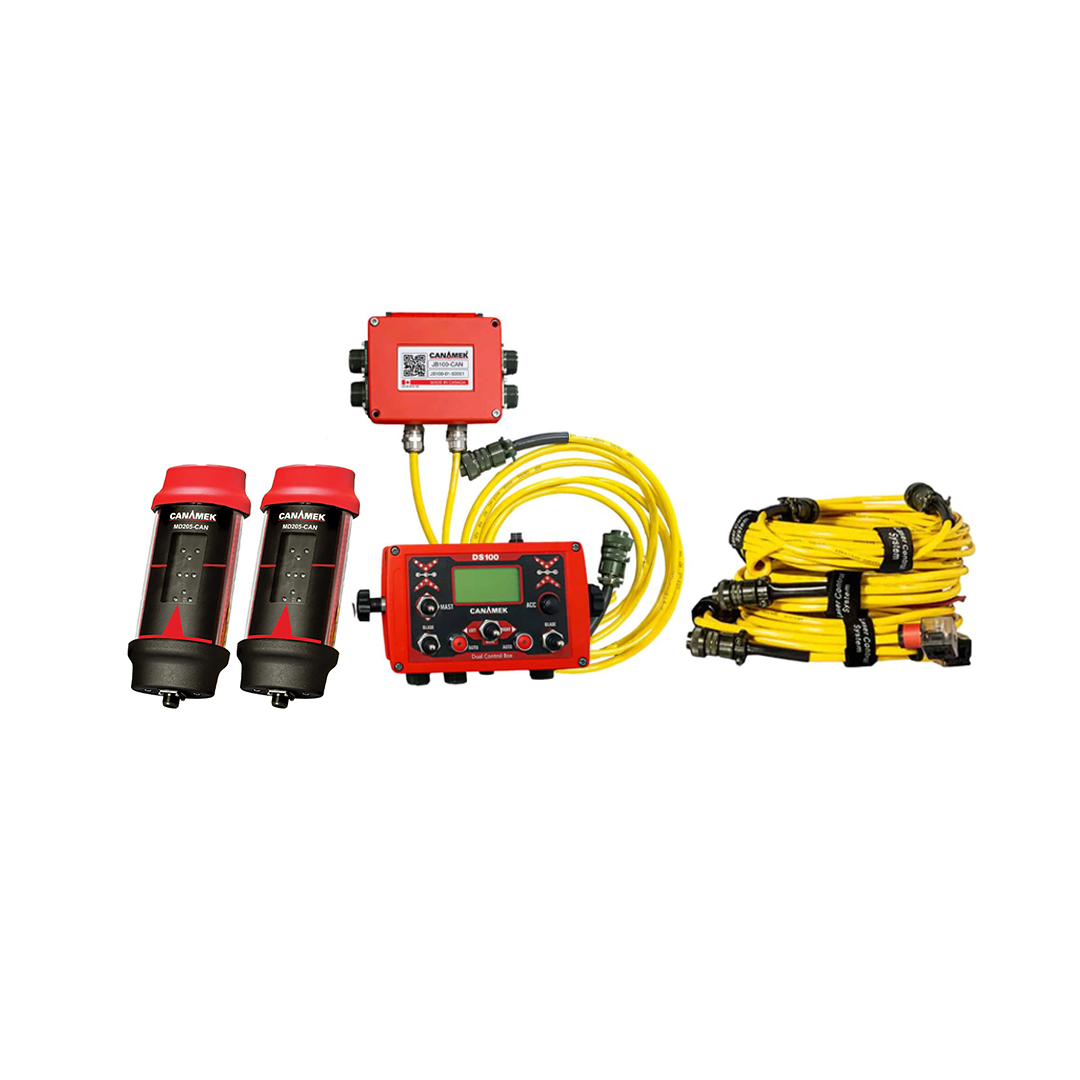
A complete laser land leveling system consists of several integrated components.
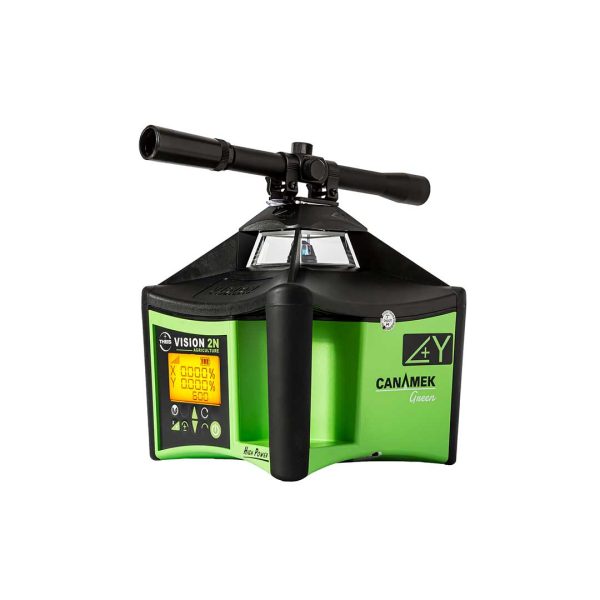
The laser transmitter is mounted on a tripod and creates a rotating laser reference plane across the field.
The laser receiver is installed on a mast attached to the scraper and continuously detects the blade's height relative to the laser reference.
The electronic controller processes the received signals and automatically controls the tractor's hydraulic system.
The laser scraper or land leveler cuts soil from higher areas and transfers it to lower sections, creating a uniform field surface.
How Laser Land Leveling Works
The process begins with a field survey to identify high and low points across the land.
After determining the desired elevation and slope, the laser transmitter is positioned in an appropriate location. As the tractor moves through the field, the laser receiver continuously measures elevation differences while the controller automatically adjusts the scraper blade to achieve the required level.
Once the leveling process is complete, the field is inspected to ensure optimal accuracy and uniformity.
Benefits of Laser Land Leveling
One of the greatest advantages of laser land leveling is improved irrigation efficiency. A perfectly leveled field allows water to spread evenly, eliminating waterlogging in low areas and insufficient irrigation in higher sections.
The technology also reduces irrigation time, minimizes water losses, and improves water infiltration throughout the field.
Additional benefits include lower fuel consumption, reduced fertilizer and pesticide use, improved field accessibility, decreased soil erosion, faster farming operations, and better overall crop management.
Impact on Crop Yield
Uniform water distribution allows plants to receive equal amounts of moisture and nutrients, resulting in healthier growth and improved crop development.
Research has shown that laser land leveling can increase crop yields by approximately 10 to 25 percent, depending on soil conditions, irrigation methods, and crop type.
Water Conservation
Water scarcity has become one of the greatest challenges facing modern agriculture. Laser land leveling helps optimize irrigation by distributing water evenly across the entire field.
Various agricultural studies indicate that laser leveling can reduce irrigation water consumption by approximately 20 to 30 percent while maintaining or even increasing crop productivity.
Applications of Laser Land Leveling
Laser land leveling is widely used in rice fields, wheat farms, corn fields, cotton farms, sugar beet production, forage crops, orchards, irrigation projects, drainage systems, and land development projects.
It is also an essential technology for precision agriculture and modern farm management.
Limitations
Although laser land leveling offers significant advantages, achieving the best results requires properly calibrated equipment, trained operators, and regular maintenance.
The initial investment may be higher than conventional leveling methods, but reduced operating costs, improved water efficiency, and increased crop yields allow farmers to recover their investment within a relatively short period.
Rassam GPS Laser Land Leveling Solutions
Rassam GPS provides advanced laser land leveling systems designed to meet the needs of modern agriculture. These systems offer high precision, reliable performance, simple installation, and professional technical support.
They help farmers improve irrigation efficiency, reduce operating costs, and maximize agricultural productivity while supporting sustainable farming practices.
Conclusion
Laser land leveling is one of the most valuable technologies in modern agriculture. By creating a uniform field surface, it improves irrigation efficiency, conserves water resources, reduces production costs, and increases crop yields.
As sustainable agriculture becomes increasingly important, investing in laser land leveling technology is a practical and cost-effective decision for farmers seeking higher productivity, improved resource management, and long-term profitability.