
Precision Agriculture
Understanding Land Leveling and Its Positive Effects on Agriculture
Introduction
Water is the most valuable resource in agriculture. In recent years, increasing water scarcity has made the use of methods that can manage and optimize water consumption more important than ever. Land leveling is one of these methods; an effective agricultural practice that can reduce water consumption while improving crop performance.
What Is Land Leveling?
Land leveling, in simple terms, means making the surface of a field smooth and uniform. At first glance, a small uneven area may seem insignificant, but these variations in elevation can cause water to accumulate excessively in some parts of the field while failing to reach plants adequately in others. The result can be water waste, reduced irrigation efficiency, and crop damage.
Positive Effects of Land Leveling
Water Conservation:
By distributing water more uniformly across the field, irrigation can be carried out more effectively with a lower volume of water.
Improved Irrigation Efficiency:
Accurate land leveling improves water distribution throughout the field and can increase the efficiency of irrigation systems.
Reduced Irrigation Time:
When the land surface is uniform, water can move across the field more quickly and with better distribution.
Improved Crop Quality and Yield:
Plants receive water more uniformly, which can contribute to better growth and improved overall crop yield.
Better Conditions for Modern Irrigation:
A properly leveled field provides better conditions for implementing mechanized and modern irrigation methods.
Land Leveling Methods
Today, land leveling is carried out using different methods, which can generally be divided into two main categories:
1. Traditional Land Leveling:
This method uses equipment such as bulldozer blades and other earthmoving machinery. The accuracy of this approach depends largely on the operator's skills and the equipment being used, and it may not effectively eliminate all minor variations in the field surface.
2. Laser and Satellite Land Leveling:
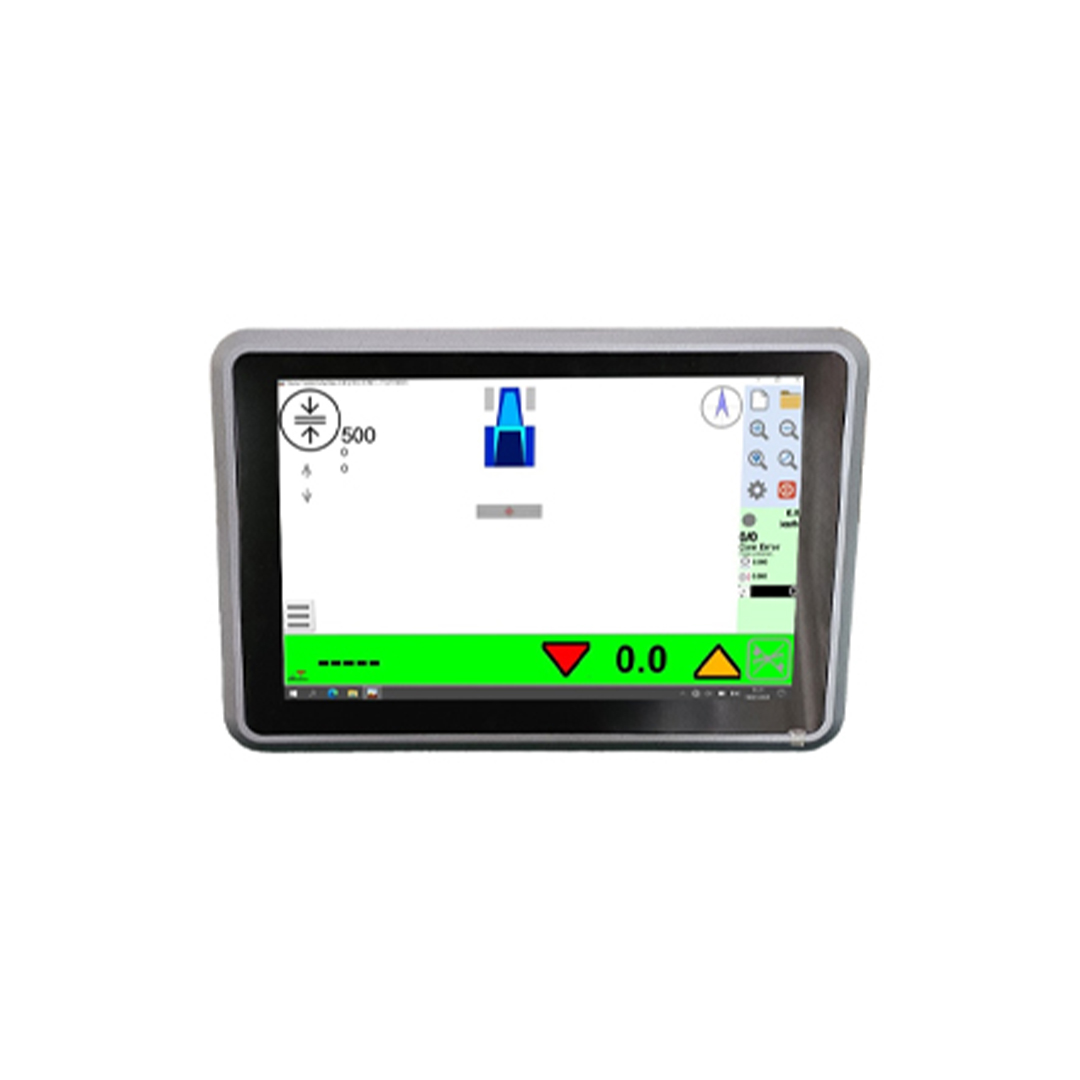
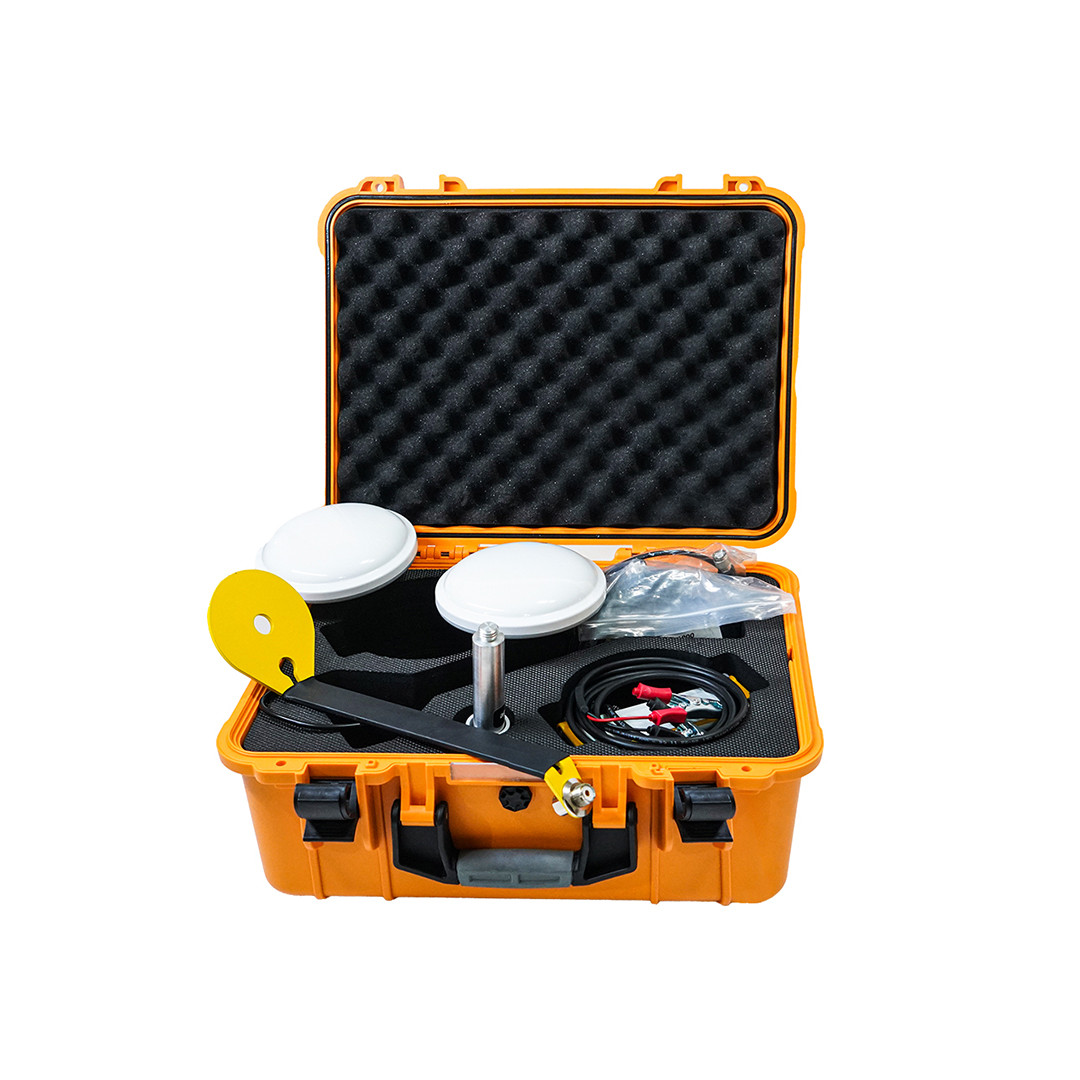
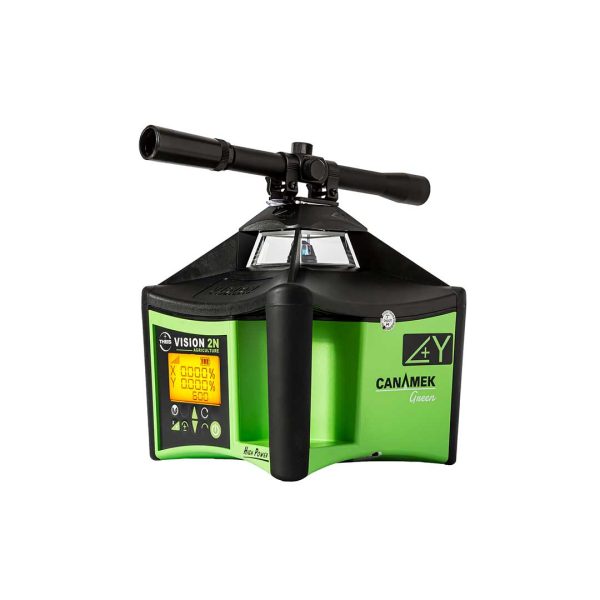
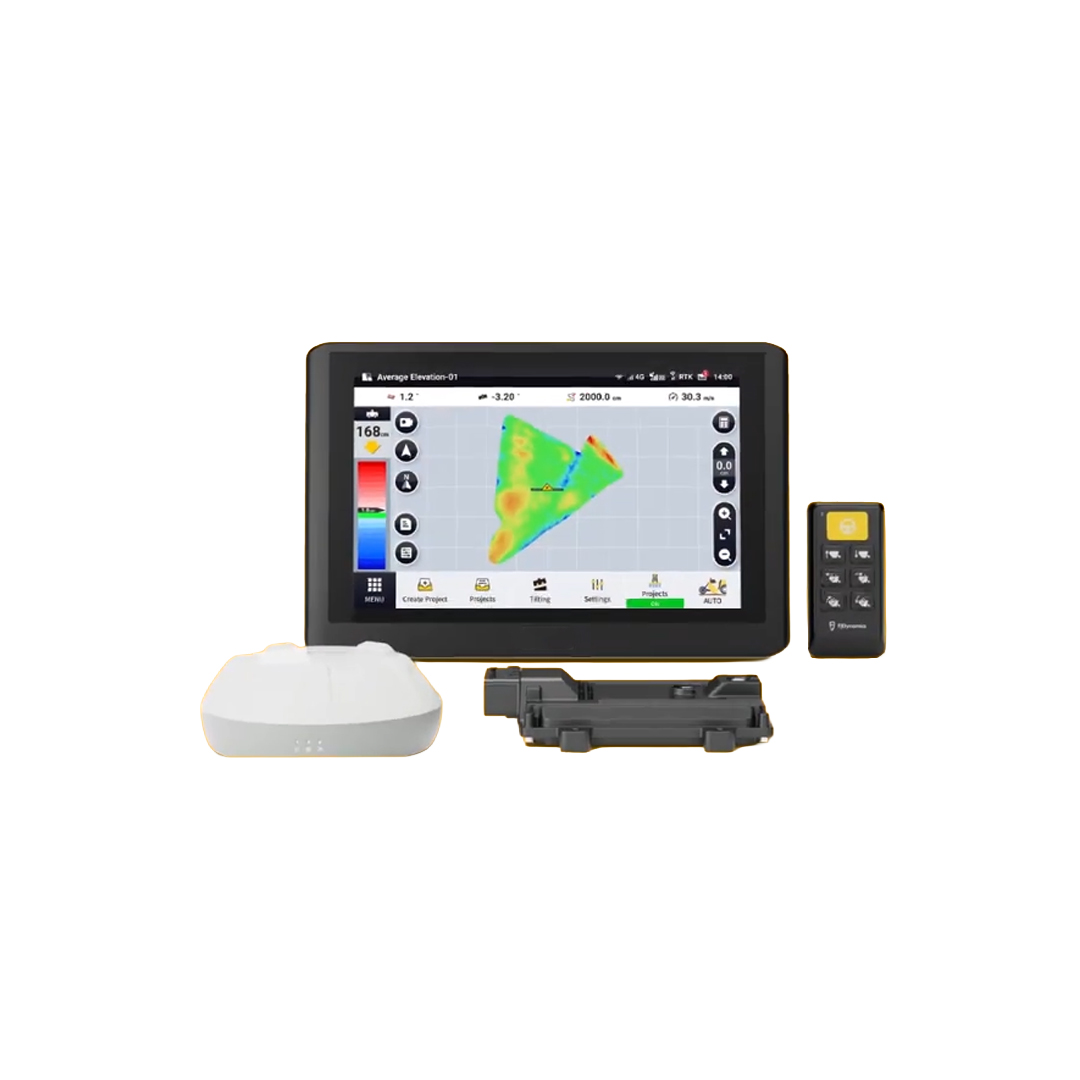
Advanced leveling methods use laser and GNSS/GPS technologies to provide accurate elevation and slope data to agricultural machinery. These technologies enable highly precise land leveling and can contribute to reducing water consumption, increasing operation speed, and improving field performance.
The Role of Technology in Precision Land Leveling
The use of modern technologies such as laser and satellite leveling systems has transformed land leveling from a purely mechanical process into a precise and data-driven operation. In these systems, field elevation data is accurately measured, and machinery performs cutting and filling operations based on the collected data.
In addition to improving leveling accuracy, this approach can reduce unnecessary soil movement and help lower the time and cost required to complete a project.
Conclusion
Land leveling is an important practice for improving agricultural productivity and managing water consumption. By improving water distribution, reducing water waste, increasing irrigation efficiency, and creating better conditions for crop growth, proper land leveling can play an important role in sustainable agriculture.
Rassam Lian Machine provides advanced equipment and solutions for agricultural machinery and earthmoving automation, including laser and satellite leveling systems. These technologies offer modern solutions for precision land leveling, optimizing water consumption, and improving agricultural productivity.
With the goal of improving agricultural mechanization and supporting sustainable development, Rassam Lian Machine provides technology-driven solutions for farmers and professionals in the agricultural and construction sectors.