
Precision Agriculture
The Impact of Land Leveling on Water Management and Agricultural Efficiency
Introduction
Water scarcity has become one of the most important challenges facing agriculture in Iran and many other parts of the world. Improving water-use efficiency and preventing the waste of this valuable resource require modern approaches to land and irrigation management.
One of the most effective solutions is agricultural land leveling. By correcting field irregularities and adjusting the surface slope, land leveling helps distribute irrigation water more uniformly across the field. In addition to reducing water losses, accurate leveling can improve crop growing conditions, reduce irrigation costs and increase agricultural productivity.
Why Is Land Leveling Important?
In traditional surface irrigation, field elevation and unevenness directly affect how water moves and is distributed. When a field is uneven, water tends to accumulate in lower areas while higher parts may not receive enough water.
Uneven fields can lead to several problems:
- Excessive water accumulation in low-lying areas and increased risk of root damage
- Insufficient irrigation in elevated areas and increased crop water stress
- Longer irrigation times
- Higher water consumption
- Uneven crop growth
- Increased irrigation and operating costs
In contrast, when a field is accurately leveled, irrigation water can move more uniformly and reach the crop root zone more efficiently.
Benefits of Land Leveling for Water Management
Reducing Water Loss
Uniform water distribution helps prevent uncontrolled water flow and excessive accumulation in specific areas of the field. As a result, available water resources can be used more efficiently.
Reducing Irrigation Time and Water Requirements
A properly leveled field allows water to move more quickly and uniformly. This can reduce irrigation time and the amount of water required to provide adequate soil moisture.
Improving Irrigation Efficiency
One of the main advantages of accurate land leveling is improved irrigation uniformity. In uneven fields, some areas may receive more water than the crop requires while other areas remain under-irrigated. Proper leveling can reduce this difference and improve water-use efficiency.
Creating Better Conditions for Modern Irrigation Methods
A properly leveled field provides better conditions for irrigation methods such as strip irrigation, furrow irrigation and other controlled irrigation systems. The more uniform the field surface, the easier it becomes to control water flow and manage irrigation operations.
Common Land Leveling Methods
Traditional Land Leveling
Traditional leveling is carried out using equipment such as scrapers, bulldozer blades and other earthmoving implements. This method can be simple and economical for some projects, but its accuracy depends on field conditions, equipment and operator skills. Minor unevenness may remain after the operation.
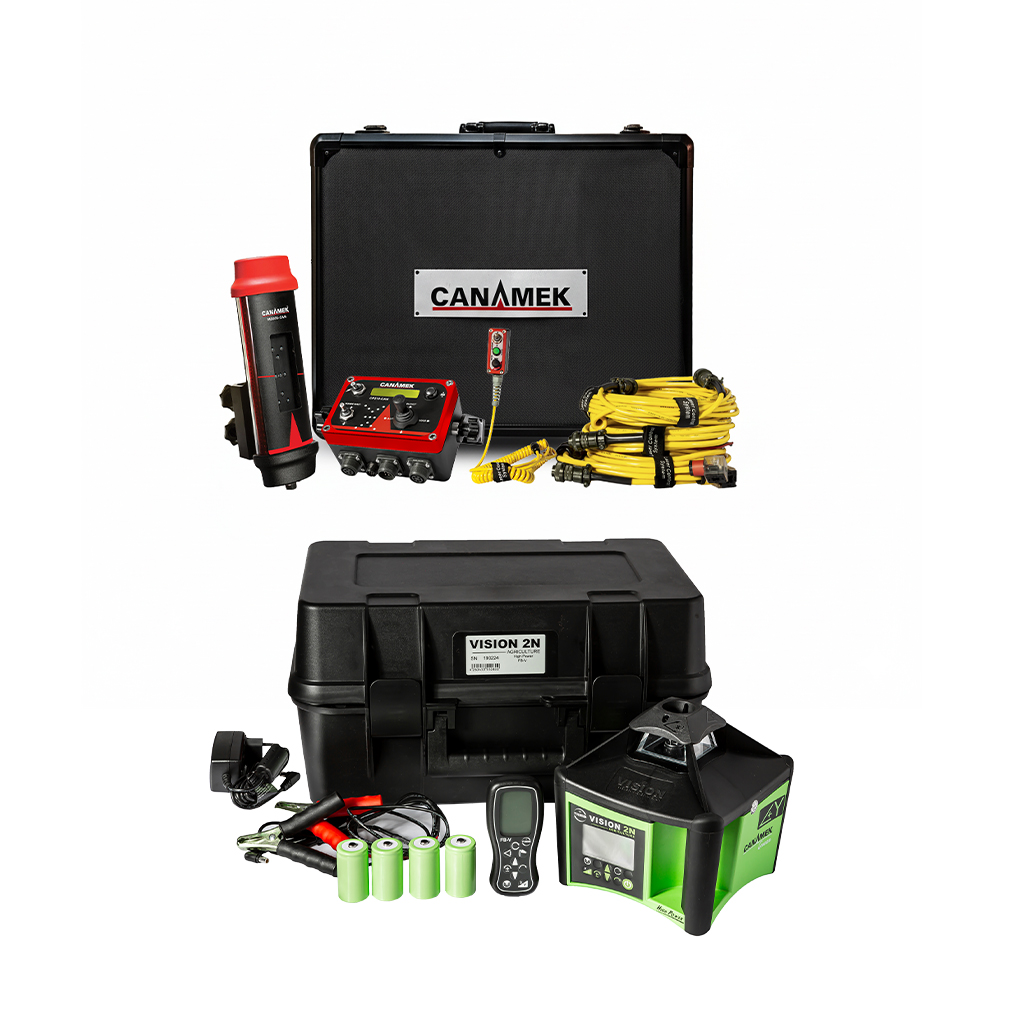
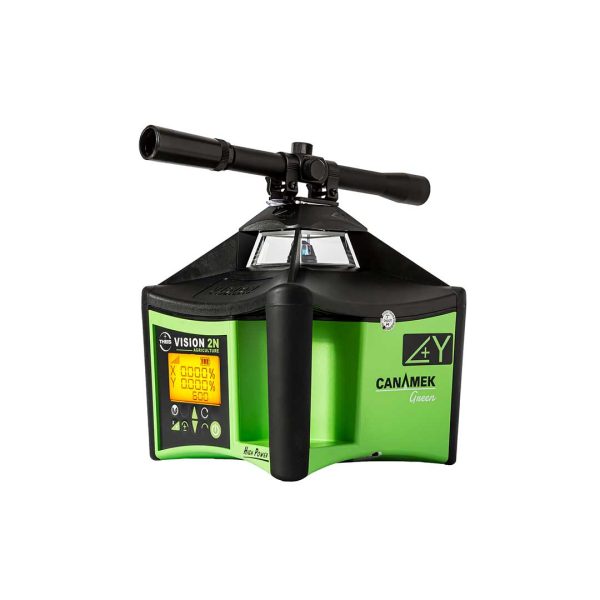
Laser Land Leveling
Laser land leveling uses laser technology and elevation-control equipment to determine and maintain accurate field elevations. The control system adjusts the leveling blade according to elevation information, allowing the operator to modify the field surface with greater precision.
This technology can improve leveling accuracy, reduce unnecessary machine passes and help create a more uniform field surface.
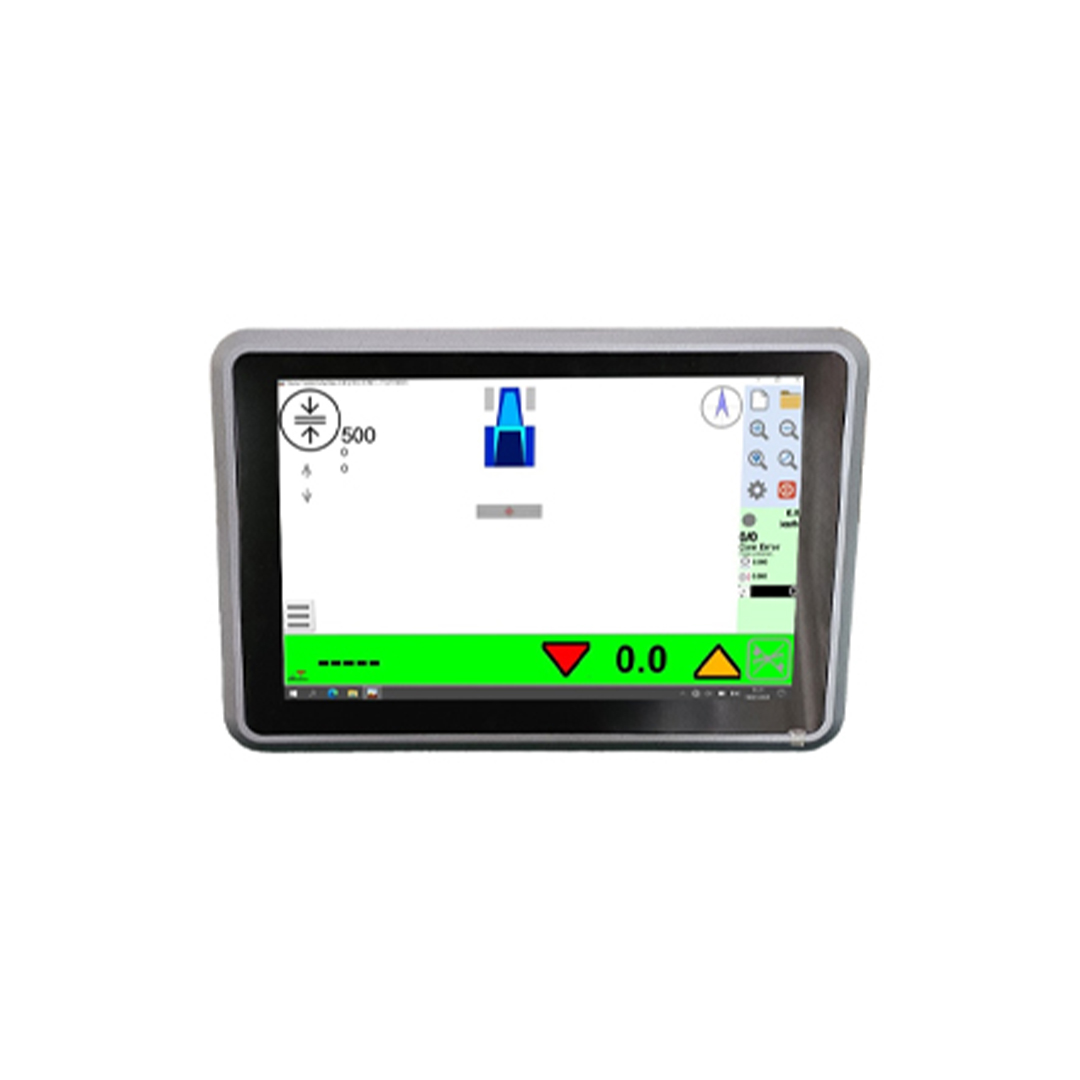
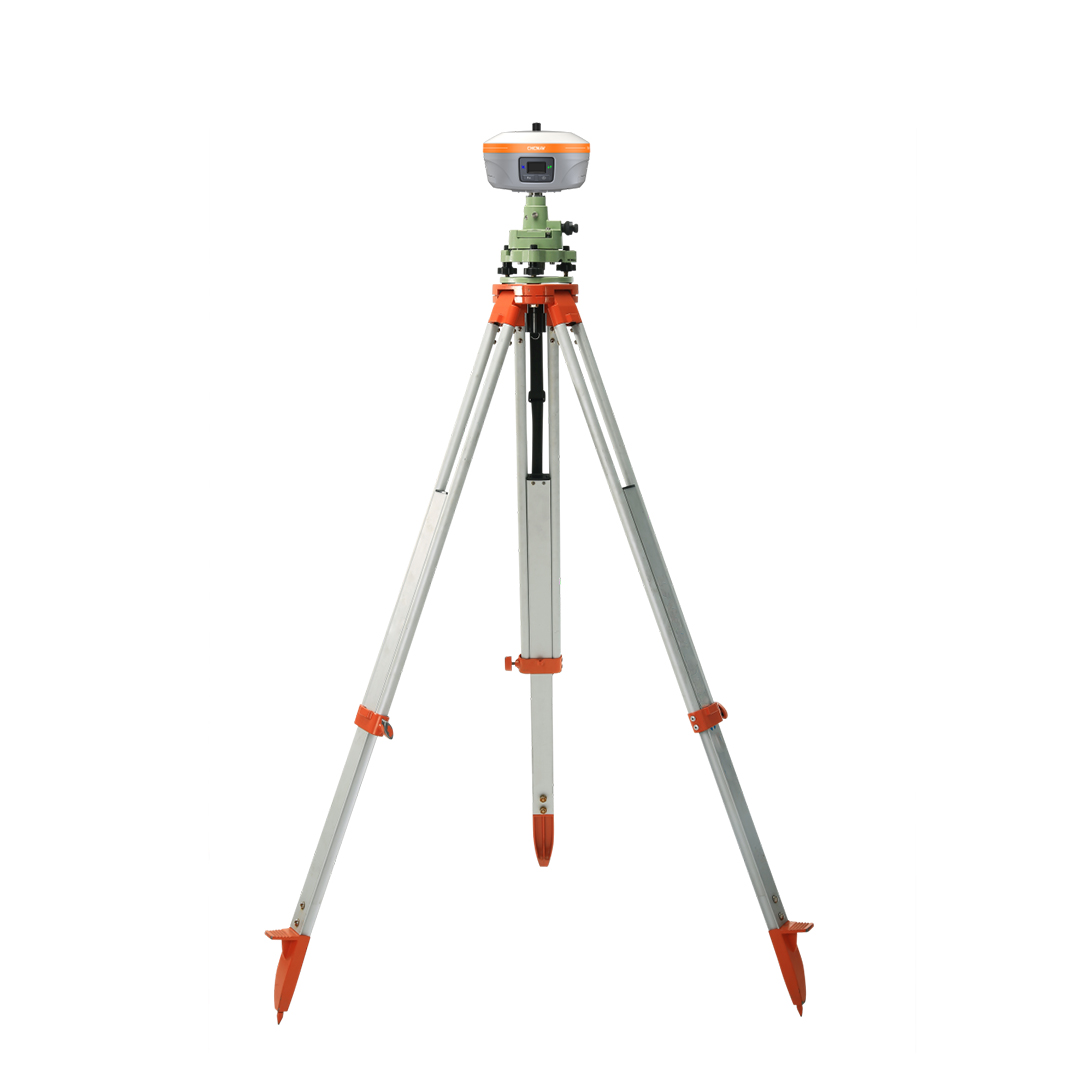
Satellite Land Leveling with GNSS
Satellite-based land leveling uses GNSS technology to determine the accurate position and elevation of agricultural machinery and control the leveling operation. This method is particularly useful for large agricultural fields and projects requiring high accuracy, speed and continuous operational control.
Laser and GNSS-based leveling technologies can improve operational accuracy, reduce unnecessary machine passes, optimize water management and lower operating costs, making them important tools for precision agriculture.
Research Findings
Research on agricultural land leveling and water management indicates that accurate field leveling can have a significant impact on irrigation efficiency and crop productivity.
Several studies have reported significant reductions in water consumption and improvements in crop performance following laser land leveling, particularly in cereal production. The actual level of water savings and yield improvement depends on factors such as soil type, irrigation method, field unevenness, crop type and climatic conditions.
For this reason, accurate field assessment and selecting the appropriate leveling method are important steps before starting a land leveling project.
Conclusion
Land leveling is an important strategy for optimizing water consumption and improving agricultural efficiency. Correcting field elevations and unevenness can improve irrigation uniformity, reduce water losses, shorten irrigation times and create better growing conditions for crops.
Among modern technologies, laser land leveling and GNSS-based satellite land leveling provide more accurate operational control and can play an important role in the development of precision and sustainable agriculture.
Investing in modern land leveling technologies can help reduce operating costs, improve productivity and contribute to the long-term protection of valuable water resources.
Rassam Lian Machine Solutions
Rassam Lian Machine is an active provider of agricultural mechanization and smart farming solutions. Drawing on technical expertise and field experience, the company provides advanced laser land leveling, satellite-based leveling and GNSS solutions for farmers and professionals in the agricultural and civil engineering sectors.
These solutions are designed to improve leveling accuracy, optimize water consumption, reduce operating costs and increase agricultural productivity.
By focusing on modern technologies and solutions based on current industry standards, Rassam Lian Machine aims to contribute to precision agriculture, higher productivity and more sustainable farming practices.