
Precision Agriculture
What Is Organic Farming? Benefits, Methods, and Challenges
Organic farming is an agricultural production system that relies on natural methods instead of extensive use of synthetic chemicals and pesticides. In this approach, maintaining soil health, using biological methods to control pests and diseases, and preserving biodiversity are highly important. Natural fertilizers used in organic farming are mainly obtained from plant and animal sources.
History of Organic Farming
Organic farming developed in response to concerns about the environmental effects of industrial agriculture and the extensive use of chemical pesticides. The increased use of chemicals in agriculture raised concerns about soil, water, and air pollution and the degradation of natural resources. As a result, natural and less harmful farming methods gradually received greater attention.
In recent years, growing consumer awareness of food safety and environmental issues has also increased demand for organic products in many parts of the world.
How Does Organic Farming Work?
Organic farming uses methods such as organic fertilizers, animal manure, plant-based fertilizers, compost, and mulch to improve soil quality and provide plants with essential nutrients.
Compost can provide organic matter and nutrients while also supporting the activity of beneficial microorganisms in the soil. These microorganisms break down organic matter and help make some nutrients available for plant uptake.
Pest Control in Organic Farming
One of the main challenges of organic farming is controlling pests and diseases without relying heavily on chemical pesticides. Methods such as beneficial insects, crop rotation, medicinal plants, and physical traps can be used to manage agricultural pests.
Some naturally derived substances may also be permitted under organic farming standards. Therefore, organic farming does not necessarily mean eliminating every type of pest-control substance; rather, it emphasizes the use of approved, lower-impact methods and the natural management of the agricultural ecosystem.
The Difference Between Organic, Traditional, and Industrial Farming
One of the main differences between organic and industrial farming is the way soil, pests, and plant nutrition are managed. Industrial agriculture generally relies more heavily on synthetic fertilizers and chemical pesticides, while organic farming focuses on natural methods, organic fertilizers, crop rotation, and biological pest management.
Organic farming can help reduce dependence on certain chemical inputs, decrease pollution of natural resources, and maintain soil quality. However, under some conditions, farmers may face higher production costs, greater labor requirements, and additional challenges in managing pests and diseases.
Benefits of Organic Farming
Organic farming has been developed with the goal of reducing the negative environmental impacts of agricultural activities and protecting natural resources. Its main benefits include:
- Reduced dependence on chemical pesticides and fertilizers
- Supporting soil health and quality
- Reducing soil and water pollution
- Supporting biodiversity
- Greater use of natural resources and processes
- Contributing to the development of sustainable farming practices
Challenges and Limitations of Organic Farming
Despite its many benefits, organic farming also has challenges. Managing soil, pests, and diseases in an organic production system requires greater knowledge and attention. Under some conditions, production costs or labor requirements may also increase.
In addition, producers who want to market their products as “organic” must comply with relevant standards and requirements. In many countries, obtaining valid certification is necessary to use the organic label.
Organic Farming and Sustainable Agriculture
Organic farming and sustainable agriculture have many similarities, but they are not the same. Organic farming focuses mainly on natural production methods and reducing the use of chemical inputs, while sustainable agriculture also considers the economic and social aspects of agricultural production in addition to environmental issues.
For this reason, organic farming can be considered one of the approaches that contributes to the development of sustainable agriculture.
The Future of Organic Farming
Growing consumer interest in healthy food and environmental protection has increased attention toward organic farming in many countries. However, developing this agricultural system requires farmer education, appropriate support, access to knowledge and technology, and the development of suitable markets for organic products.
In Iran, increasing awareness of food safety and environmental protection can also create opportunities for the growth of organic farming. Developing this sector alongside modern agricultural technologies can contribute to better use of natural resources and support the transition toward sustainable agriculture.
The Role of Technology in Modern Agriculture
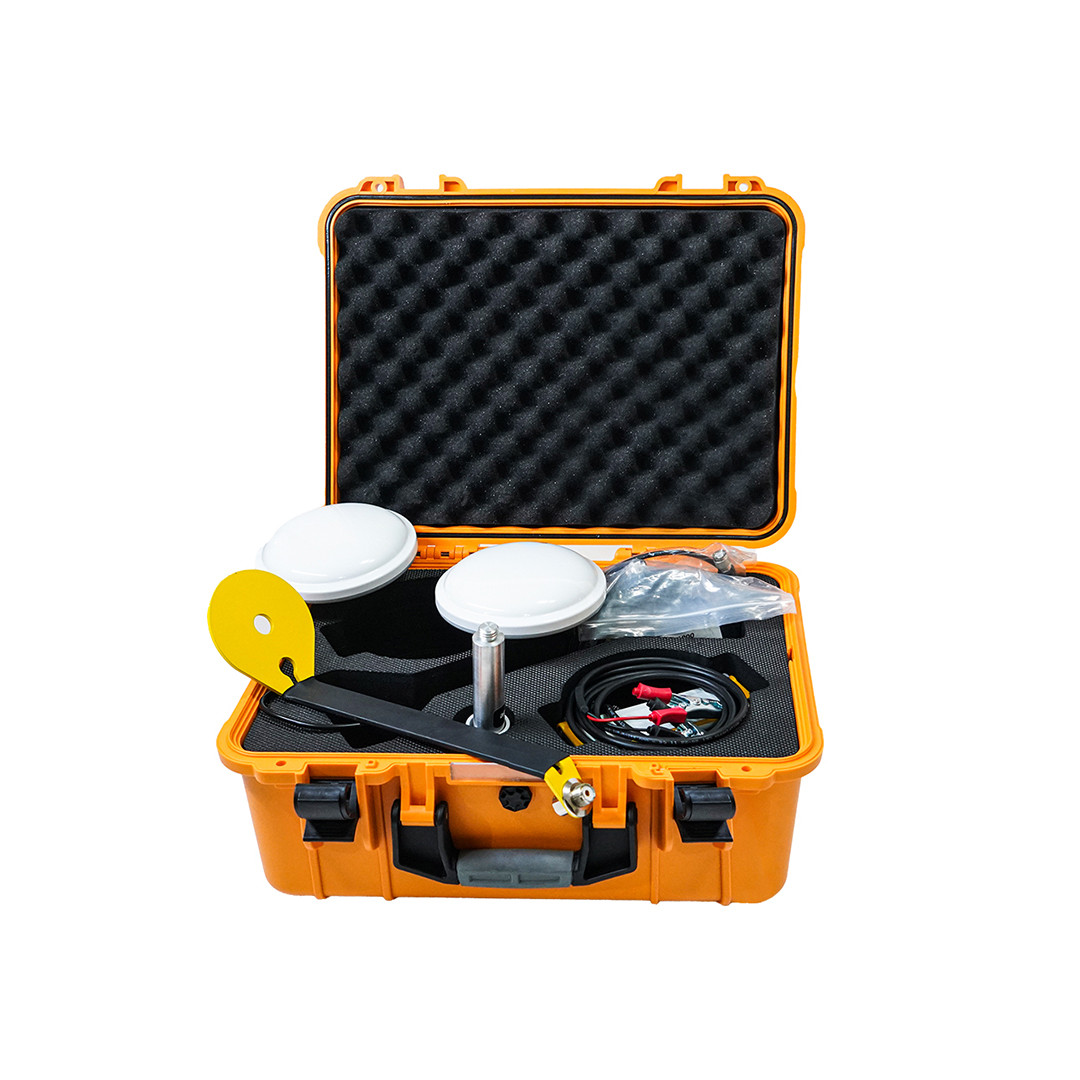
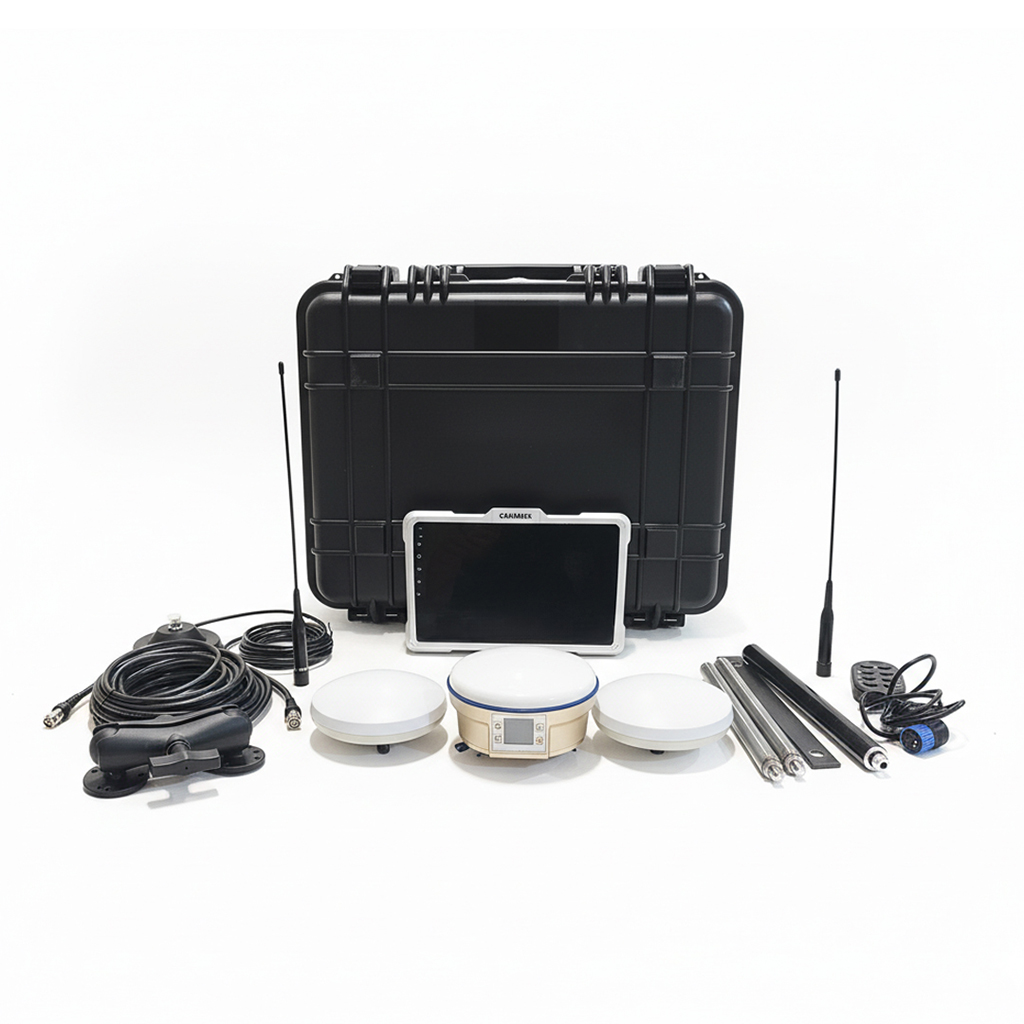
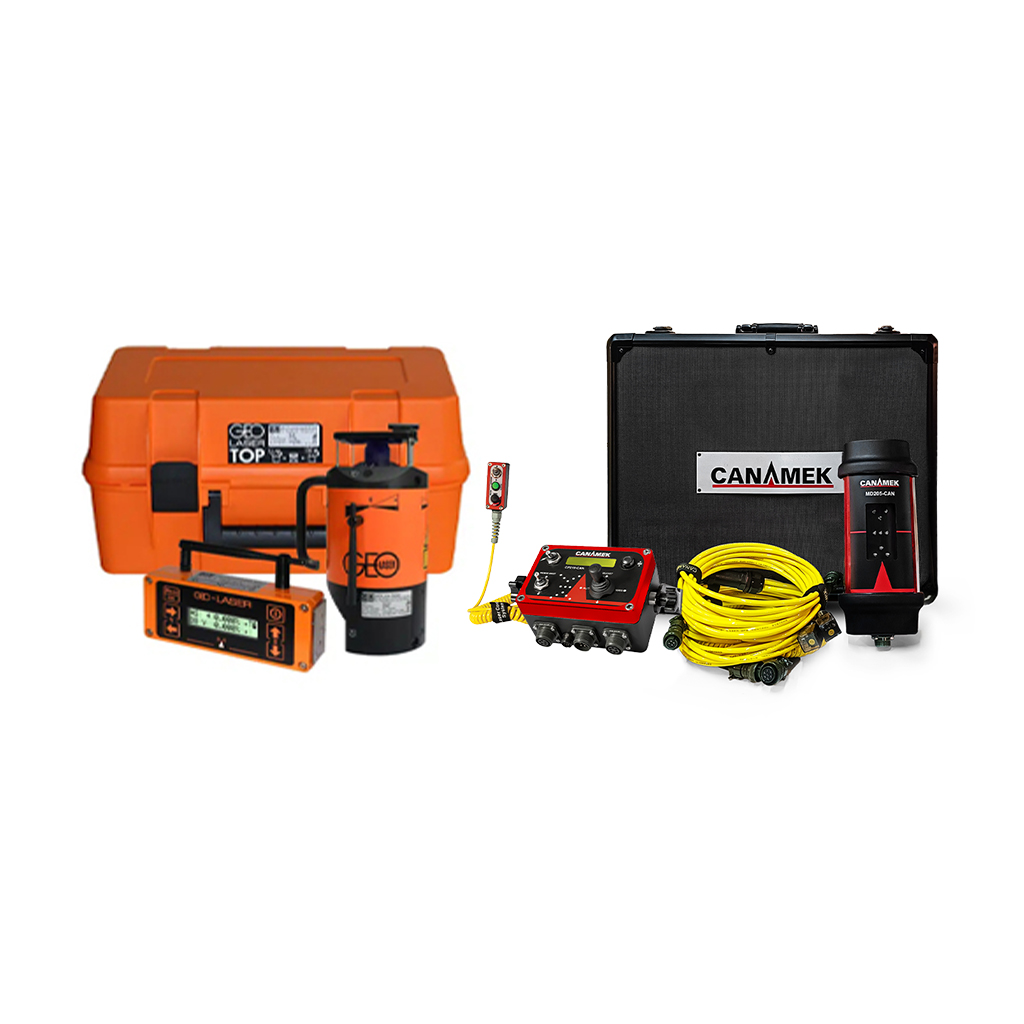
Organic farming does not mean abandoning technology. Modern technologies can help farmers manage land, machinery, and resources more accurately. Positioning systems, GNSS, precision agricultural equipment, and machinery automation can be used alongside appropriate farming practices to improve productivity and resource management.
Rassam GPS provides precision agriculture solutions, including laser and satellite land leveling systems and agricultural machinery automation equipment, supporting the development of modern agricultural technology and mechanization.