
Precision Agriculture
What Is Precision Agriculture? | Benefits, Stages, Technologies, and Applications
What Is Precision Agriculture?
Precision agriculture is one of the most important approaches in modern farming. It uses technology, data, and smart agricultural equipment to help farmers manage fields and crops more accurately and efficiently. The main goal of precision agriculture is to use resources such as water, fertilizer, seeds, pesticides, and fuel in the right amount, at the right time, and in the right location.
In traditional farming, the same management strategy is often applied to large areas of a field, even though soil conditions, moisture levels, nutrient availability, and crop health may vary significantly from one part of the field to another. Precision agriculture identifies these variations by collecting and analyzing field data, allowing farmers to make decisions based on the actual conditions of each area.
Technologies such as GNSS systems, sensors, drones, satellite imagery, farm management software, smart machinery, auto steering systems, and machine control technologies are widely used in precision agriculture.
What Is the Concept of Precision Agriculture?
Precision agriculture, also known as precision farming, is an approach to agricultural management that uses accurate information about soil, crops, field conditions, and the surrounding environment to support better farming decisions.
Unlike conventional farming methods that may treat an entire field as a uniform area, precision agriculture recognizes differences between different zones of the field. Variations in soil properties, moisture, elevation, nutrient levels, crop growth, and other factors can be identified and managed individually.
For example, if one area of a field requires more irrigation than another, the irrigation level can be adjusted accordingly. Similarly, fertilizer, seeds, pesticides, and other agricultural inputs can be applied according to the actual requirements of different areas.
History of Precision Agriculture
Modern precision agriculture developed through advances in several technologies during the late twentieth century. The development of satellite positioning systems, surveying equipment, computers, and remote sensing technologies created new opportunities for collecting and analyzing accurate information about agricultural land.
The development and wider use of GNSS technology made it possible to determine the location of agricultural machinery and record spatial information with greater accuracy. Later, technologies such as satellite imagery, drones, smart sensors, machine control systems, and farm management software became increasingly integrated into agricultural operations.
Today, precision agriculture is no longer limited to field mapping. It has evolved into an integrated approach that can be used throughout the farming cycle, from land preparation and planting to crop monitoring, harvesting, and performance analysis.
Why Is Precision Agriculture Important?
Global population growth, limited water and soil resources, rising agricultural input costs, and climate change have increased the need for more efficient resource management.
Precision agriculture helps farmers move from applying the same amount of inputs across an entire field toward applying resources according to the actual needs of each area. This approach can reduce resource consumption, improve productivity, and support better farm management.
Accurate data can also help farmers identify problems earlier. Changes in crop health, water availability, nutrient levels, pests, and diseases can potentially be detected at an early stage, allowing farmers to take appropriate action before problems become more severe.
How Does Precision Agriculture Work?
Precision agriculture is based on a continuous cycle of data collection, analysis, decision-making, implementation, and evaluation.
First, information about the field and crops is collected. This information may include geographic location, elevation, soil moisture, nutrient status, weather conditions, and crop growth data.
The collected data is then analyzed to identify differences between various areas of the field. Based on the analysis, appropriate management decisions can be made for each zone.
Finally, these decisions are implemented using agricultural machinery and precision equipment. The results are then monitored and evaluated, allowing the management strategy to be adjusted when necessary.
Benefits of Precision Agriculture
Reduced Consumption of Water, Seeds, Fertilizer, and Pesticides
One of the most important benefits of precision agriculture is the efficient use of agricultural inputs. By understanding field conditions and crop requirements more accurately, farmers can reduce unnecessary consumption of water, fertilizer, seeds, herbicides, and pesticides.
Instead of applying the same amount of inputs across the entire field, resources can be applied according to the actual needs of different areas. This can reduce production costs while preventing excessive use of agricultural resources.
Higher Productivity and Crop Performance
Precision agriculture provides farmers with more accurate information about soil and crop conditions, enabling better decision-making. Early identification of problems and more efficient resource management can contribute to healthier crop growth and improved farm productivity.
Reduced Production Costs
More efficient use of agricultural inputs and reduced unnecessary operations can lower overall production costs. For example, reducing fuel, fertilizer, pesticide, and water consumption can have a significant impact on the total cost of farming.
Reduced Time Required for Agricultural Operations
Precision technologies can make many agricultural operations faster and more organized. Auto steering and accurate guidance systems help agricultural machinery follow precise paths and reduce unnecessary passes across the field.
Higher Crop Quality
More accurate management of irrigation, nutrition, and crop conditions can contribute to better crop quality. Early detection of pests, diseases, and nutrient deficiencies also allows farmers to take corrective action before significant damage occurs.
Reduced Environmental Impact
Excessive use of fertilizers, pesticides, and water can negatively affect soil and water resources. Precision agriculture can reduce unnecessary input consumption and therefore contribute to lower soil and water pollution and more sustainable use of natural resources.
Improved Soil Health
Better management of fertilizers and agricultural chemicals can help maintain soil quality. Accurate information about soil characteristics also enables farmers to develop more suitable management strategies for different parts of a field.
Stages of Implementing Precision Agriculture
Defining Objectives
The first step in implementing precision agriculture is identifying the goals and challenges of the farm. Farmers should determine which aspects of production they want to improve, such as reducing water consumption, increasing crop yield, lowering fertilizer use, or reducing fuel costs.
Determining the Required Data
After defining the objectives, farmers need to determine what information is required for decision-making. This may include soil characteristics, moisture levels, field elevation, crop health, weather conditions, pest activity, and yield data.
It is also important to determine how frequently the data should be collected and how accurate it needs to be. Some applications may only require seasonal information, while others may benefit from daily or near-real-time data.
Data Collection
The required data can be collected from various sources, including sensors, GNSS equipment, satellite imagery, drones, weather stations, and agricultural machinery.
Each technology provides different types of information, and combining data from multiple sources can provide a more complete understanding of field conditions.
Data Organization and Analysis
Collected data must be organized and analyzed to transform raw information into useful insights. Farm management software and data analysis platforms can play an important role in this stage.
Decision Implementation
Once the data has been analyzed, appropriate actions can be implemented according to the conditions of each field zone. For example, irrigation or fertilizer application rates can be adjusted based on the specific requirements of different areas.
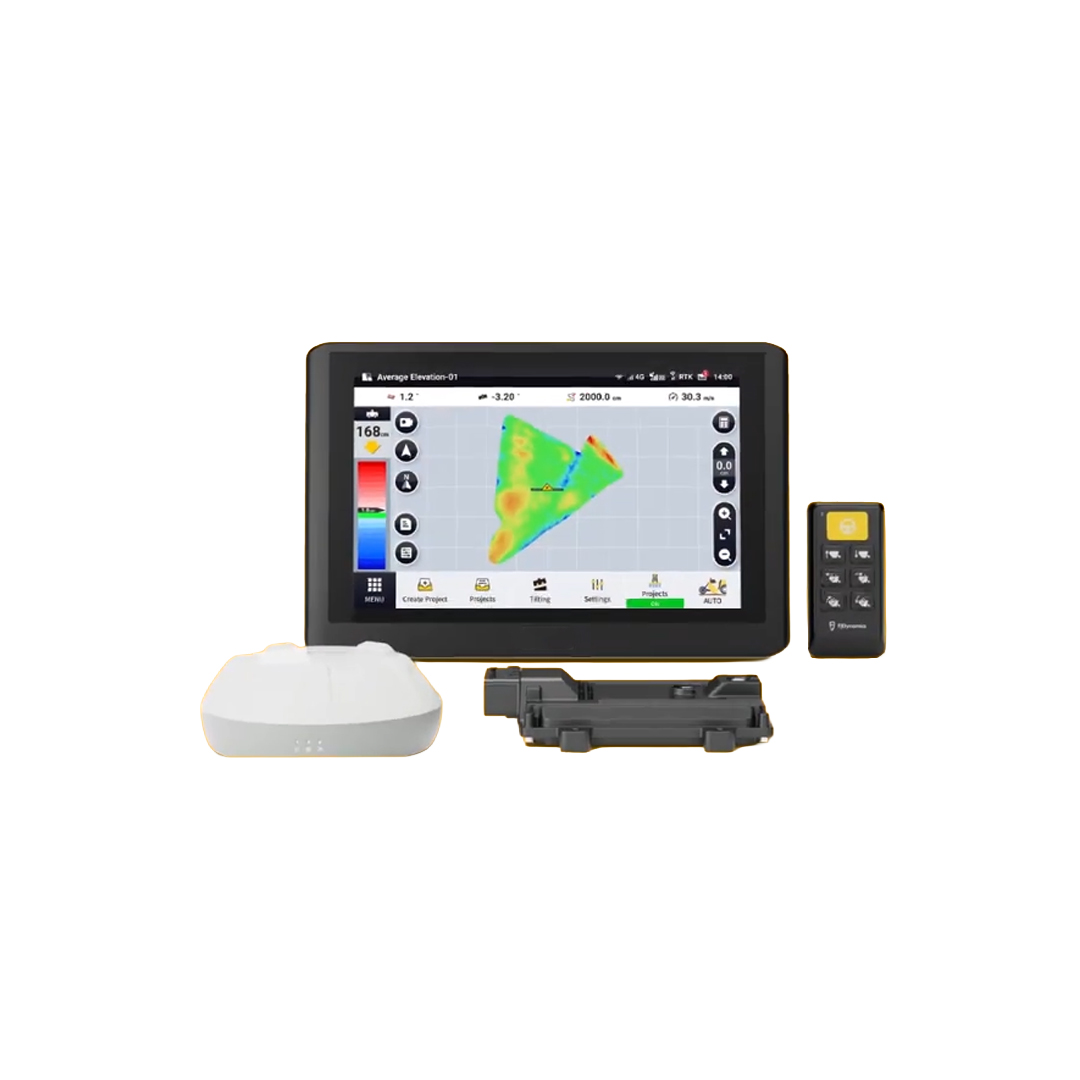
Precision guidance and machine control systems can also be used to improve the accuracy of planting, field preparation, land grading, and other agricultural operations.
Evaluating Results
The final stage is evaluating the results of the implemented decisions. New data can be compared with previous information to determine whether the selected management strategies have achieved the desired results.
This process can continue as a cycle, with new data being used to improve future decisions and farming operations.
Technologies Used in Precision Agriculture
GNSS Systems
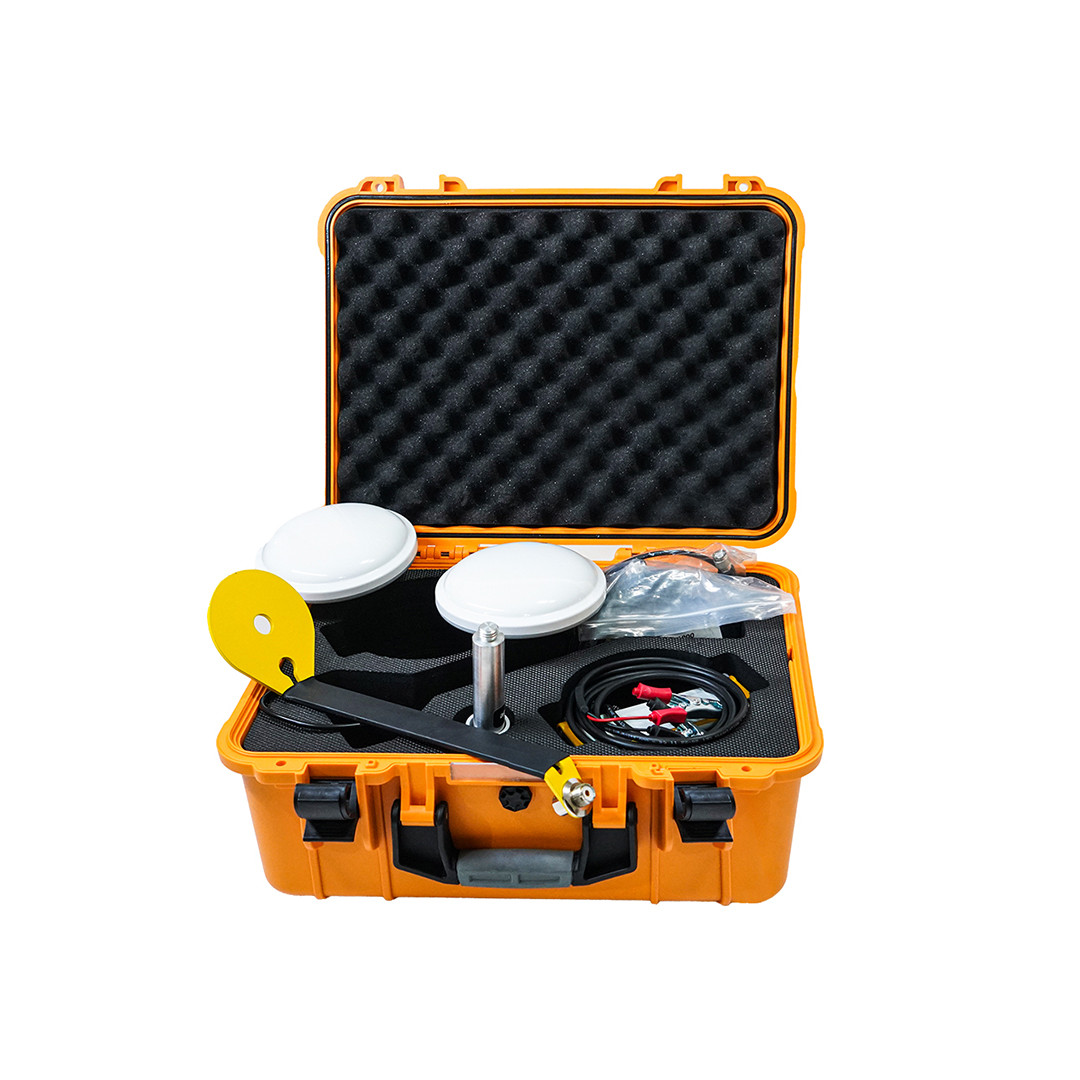
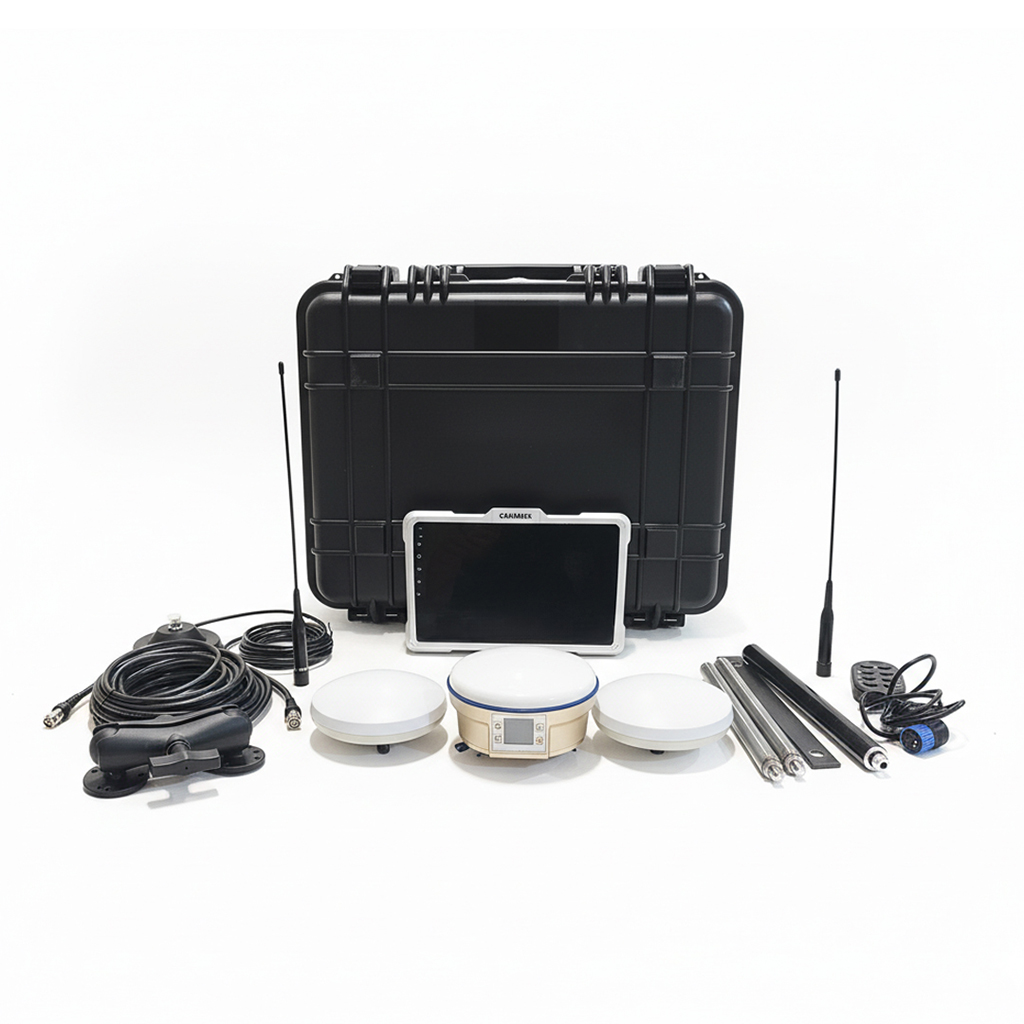
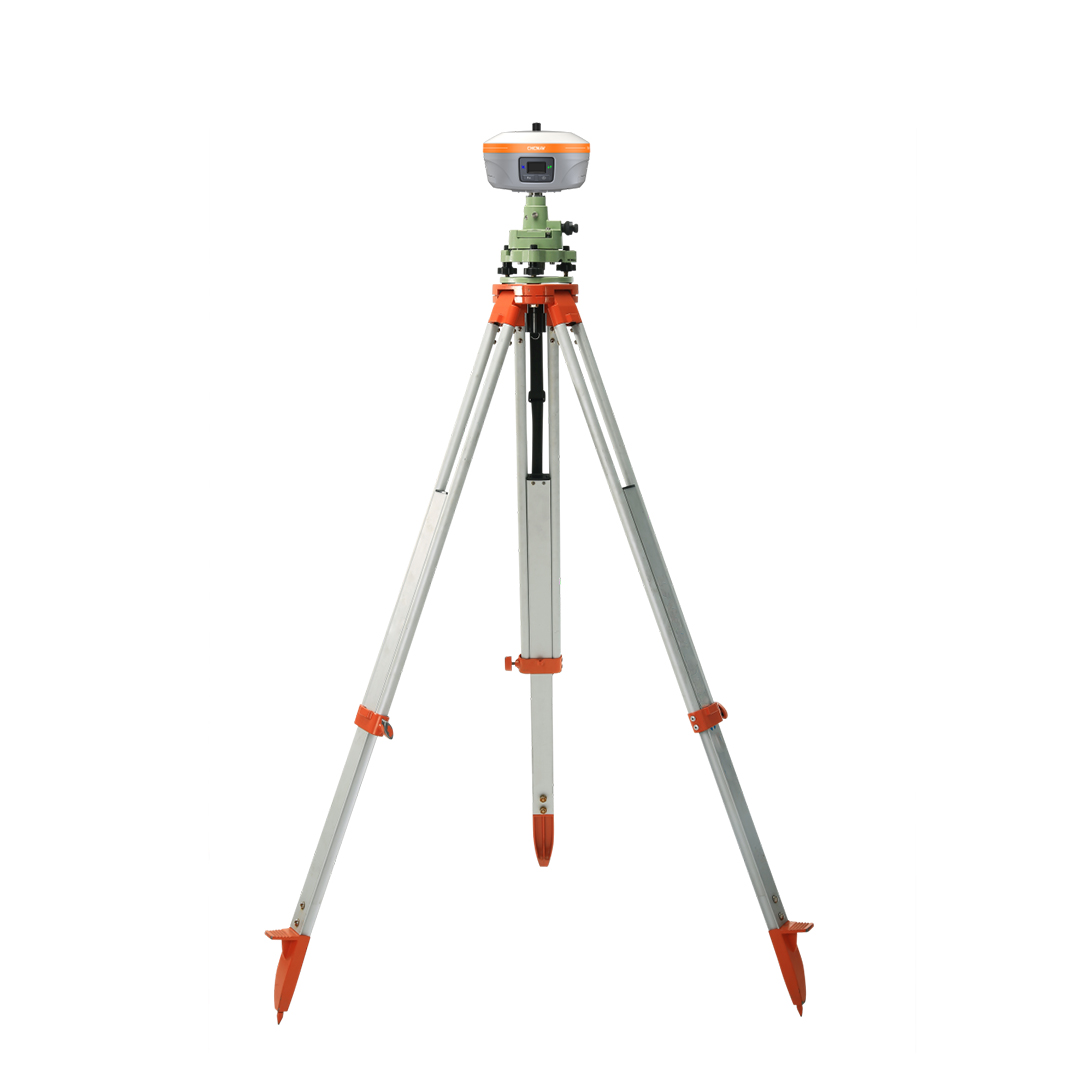
GNSS systems are among the most important technologies used in precision agriculture. They provide accurate positioning information for agricultural machinery and equipment and are used in applications such as auto steering, field mapping, precision land leveling, and machinery guidance.
Sensors
Sensors can collect information about soil conditions, moisture, temperature, environmental factors, and crop health. Sensor data helps farmers monitor field conditions and make more informed management decisions.
Drones
Drones provide an efficient way to capture detailed images of large agricultural areas. Drone imagery can be used to monitor crop growth, identify damaged areas, detect potential problems, and assess overall field conditions.
Satellite Imagery
Satellite imagery is another important source of information for precision agriculture. It allows farmers and agricultural specialists to monitor vegetation changes, crop development, and field conditions across large areas.
Artificial Intelligence and Machine Learning
Artificial intelligence and machine learning can be used to analyze large volumes of agricultural data. These technologies can support pattern recognition, crop monitoring, problem detection, forecasting, and agricultural decision-making.
Robotics and Automation
Robotic and automated systems can perform certain agricultural tasks with reduced human intervention. The development of these technologies can improve the accuracy and efficiency of selected farming operations.
Auto Steering Systems
Auto steering systems use accurate positioning technologies to control the path of agricultural machinery. They can reduce overlap between passes, lower fuel consumption, improve operational accuracy, and reduce driver fatigue.
The Future of Precision Agriculture
The future of precision agriculture is closely connected to advances in data-driven technologies, artificial intelligence, automation, the Internet of Things, and accurate positioning systems.
In the coming years, agricultural equipment is expected to collect and analyze more information in real time. The combination of satellite data, drones, sensors, smart machinery, and farm management software can create more integrated systems for managing fields and crops.
As these technologies continue to develop, more agricultural decisions may be based on real-time field conditions and accurate data, while automation will play an increasingly important role in agricultural operations.
Challenges of Precision Agriculture
Despite its many advantages, precision agriculture also faces several challenges. The initial cost of equipment, the need for user training, limited access to certain technologies, communication infrastructure requirements, and the complexity of agricultural data analysis are among the main challenges.
Successful implementation requires selecting technologies that match the actual needs and conditions of the farm. Investing in advanced equipment without a clear strategy or proper data analysis does not necessarily lead to higher productivity.
For this reason, successful precision agriculture requires a combination of appropriate technology, accurate data, training, planning, and effective decision-making.
Frequently Asked Questions About Precision Agriculture
What is precision agriculture?
Precision agriculture is an approach to managing agricultural land and crops using data and modern technologies to improve decision-making and optimize the use of resources.
What are the main tools used in precision agriculture?
The main tools include GNSS systems, sensors, satellite imagery, drones, auto steering systems, smart agricultural machinery, farm management software, and artificial intelligence technologies.
What are the main benefits of precision agriculture?
The main benefits include reduced consumption of water, fertilizer, seeds, pesticides, and fuel, lower production costs, increased productivity, improved crop quality, reduced operating time, and lower environmental impact.
Is precision agriculture only suitable for large farms?
No. Precision agriculture technologies can be selected according to the size and requirements of a farm. The appropriate equipment and level of investment depend on factors such as field size, crop type, operating conditions, and the farmer's objectives.
What role does GNSS play in precision agriculture?
GNSS provides accurate positioning and guidance for agricultural machinery. It is used in applications such as auto steering, field mapping, precision land leveling, and accurate agricultural operations.
Can precision agriculture reduce water consumption?
Yes. By identifying differences in soil conditions and crop water requirements across different areas of a field, farmers can develop more accurate irrigation strategies and reduce unnecessary water consumption.
Conclusion
Precision agriculture is a modern, data-driven approach to farm management that uses technologies such as GNSS, sensors, drones, satellite imagery, artificial intelligence, and automated machinery to support more accurate decision-making and efficient resource use.
The goal of precision agriculture is not simply to increase production. It also aims to improve the economic and environmental efficiency of farming by optimizing the use of water, fertilizer, seeds, pesticides, and fuel.
With the continued development of accurate positioning systems, automation, artificial intelligence, and agricultural data analysis, precision agriculture is expected to play an increasingly important role in modern farm management and the development of more sustainable agriculture.