
Tutorials
The Impact of Land Leveling on Soil Aeration and Root Oxygen Supply
The Impact of Land Leveling on Soil Aeration and Root Oxygen Supply
Many farmers consider land leveling primarily as a method for improving water distribution across the field. However, one of its most significant yet often overlooked benefits is improving soil aeration and increasing oxygen availability around plant roots. When irrigation water is distributed evenly, waterlogged areas are minimized, creating ideal conditions for root respiration and beneficial soil microorganisms.
Why Is Soil Oxygen Important?
Plant roots require oxygen for respiration just like all living organisms. When soil remains saturated with water for long periods, the air spaces between soil particles become filled with water, reducing oxygen exchange. As a result, root growth slows and overall plant development is negatively affected.
Low soil oxygen can lead to:
• Reduced root growth
• Lower nutrient uptake
• Increased root diseases
• Reduced activity of beneficial microorganisms
• Lower crop yield and quality
How Does Land Leveling Improve Soil Aeration?
Uneven fields cause irrigation water or rainfall to accumulate in low areas, creating waterlogged zones with poor oxygen availability.
Precise land leveling distributes water evenly across the field, prevents standing water, balances soil moisture more quickly, and maintains adequate air circulation around plant roots. These conditions promote healthier plant growth.
The Relationship Between Land Leveling and Soil Structure
Uniform soil moisture helps preserve soil structure. Stable soil structure creates more pores for air and water movement, allowing oxygen to reach plant roots more efficiently.
The Effect on Beneficial Soil Microorganisms
Most beneficial soil bacteria and aerobic microorganisms require oxygen to decompose organic matter and release nutrients.
When soil remains waterlogged, their activity decreases significantly. Proper land leveling prevents excessive water accumulation and creates a healthier environment for these microorganisms, improving soil fertility.
How Rassam GPS Land Leveling Systems Improve Soil Aeration
Rassam GPS land leveling solutions provide highly accurate surface leveling using advanced technologies, resulting in:
• Uniform water distribution
• Elimination of waterlogged areas
• Improved natural drainage
• Increased oxygen availability around roots
• Better root development
• Higher water-use efficiency
• Improved crop productivity
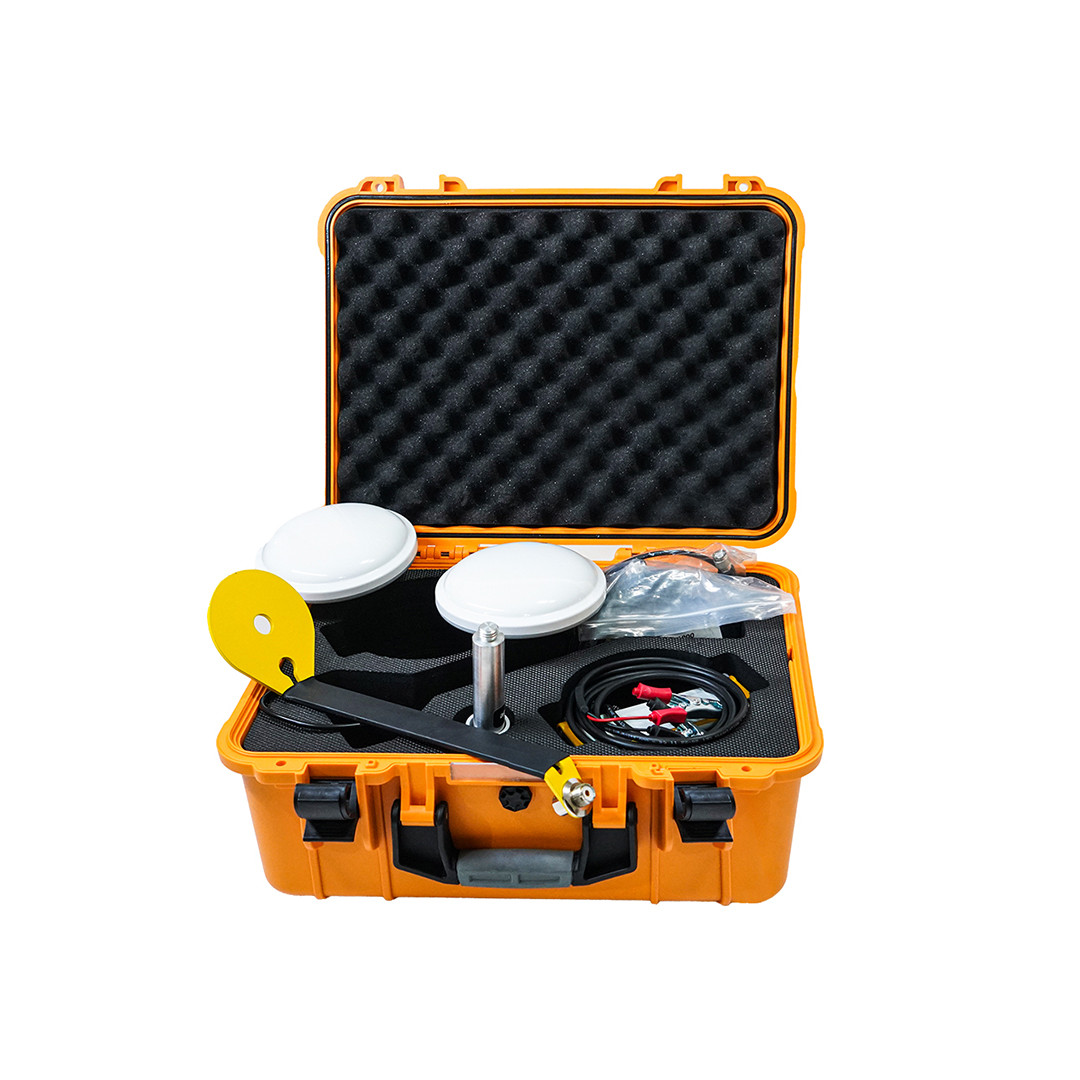
Laser Land Leveling System
Ideal for small and medium-sized farms, providing accurate land leveling and reducing waterlogging.
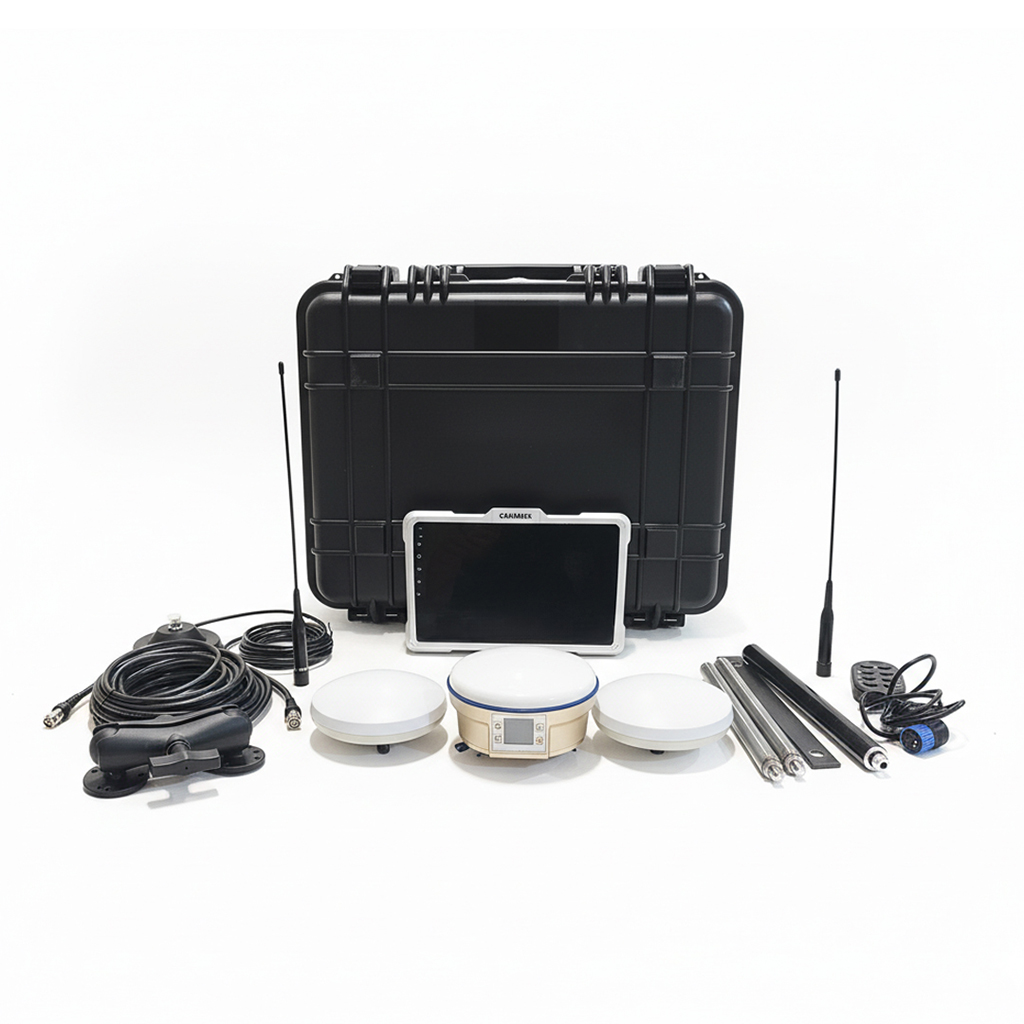
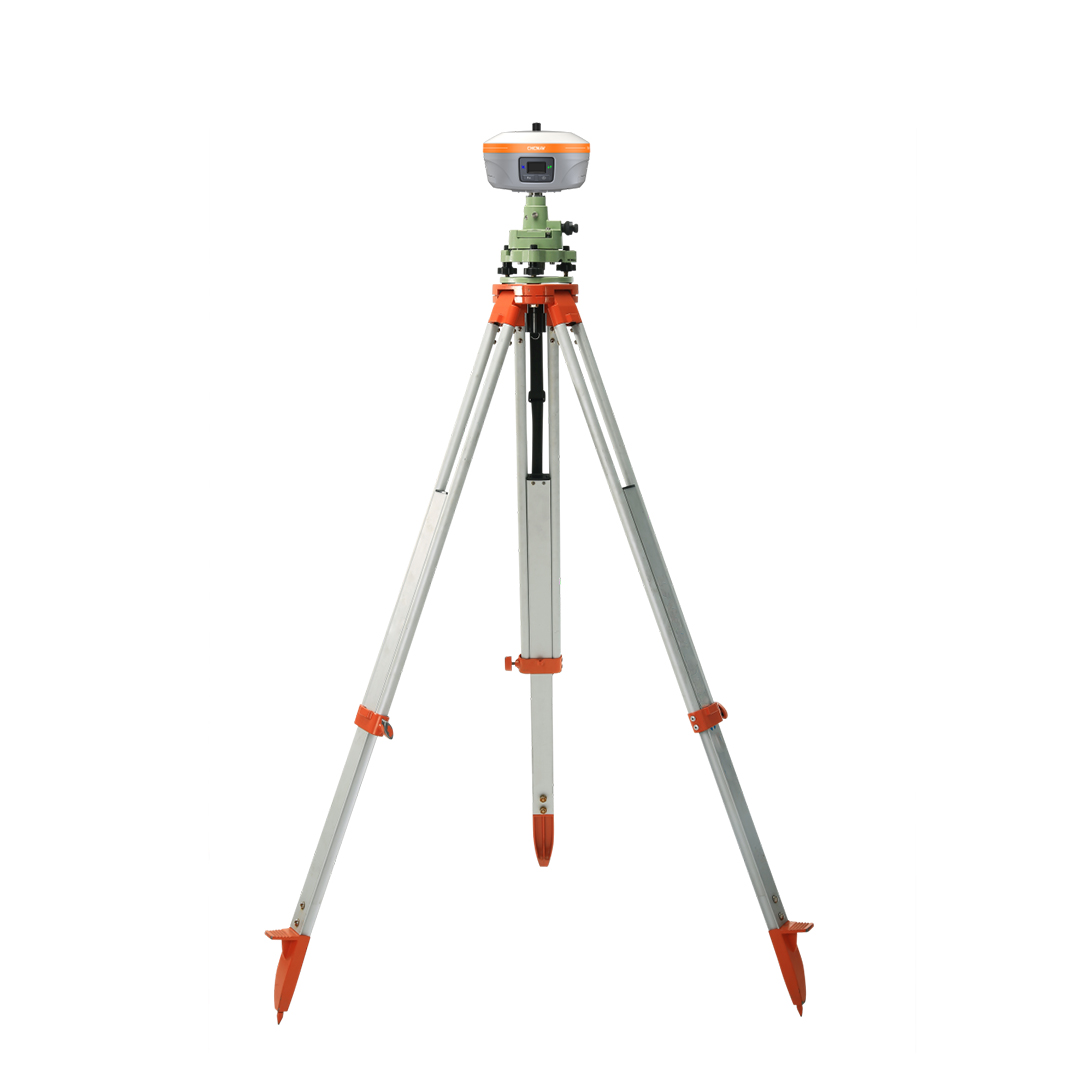
GNSS Land Leveling System
Offers centimeter-level accuracy for precise slope control and high-performance land leveling.
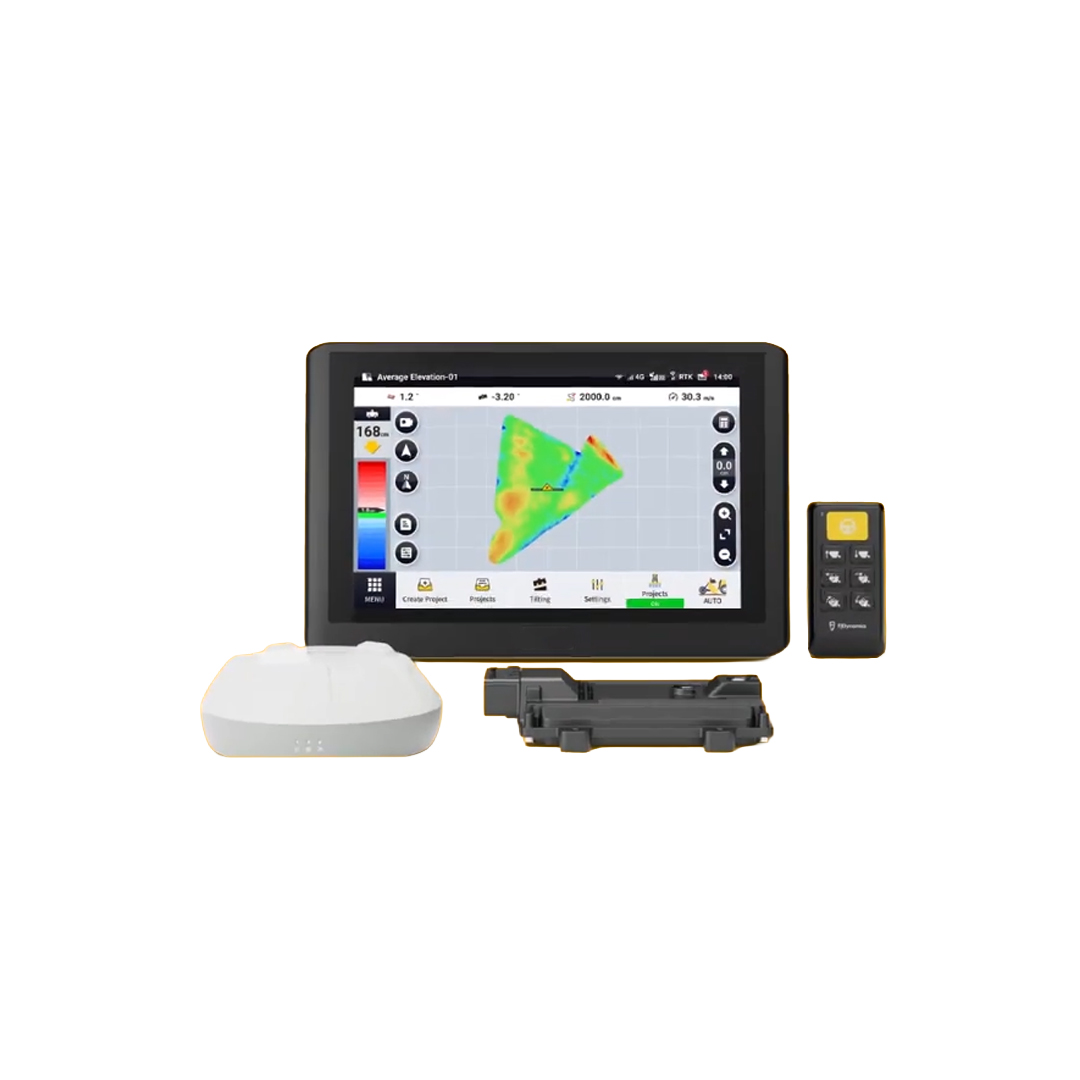
TopoMizer
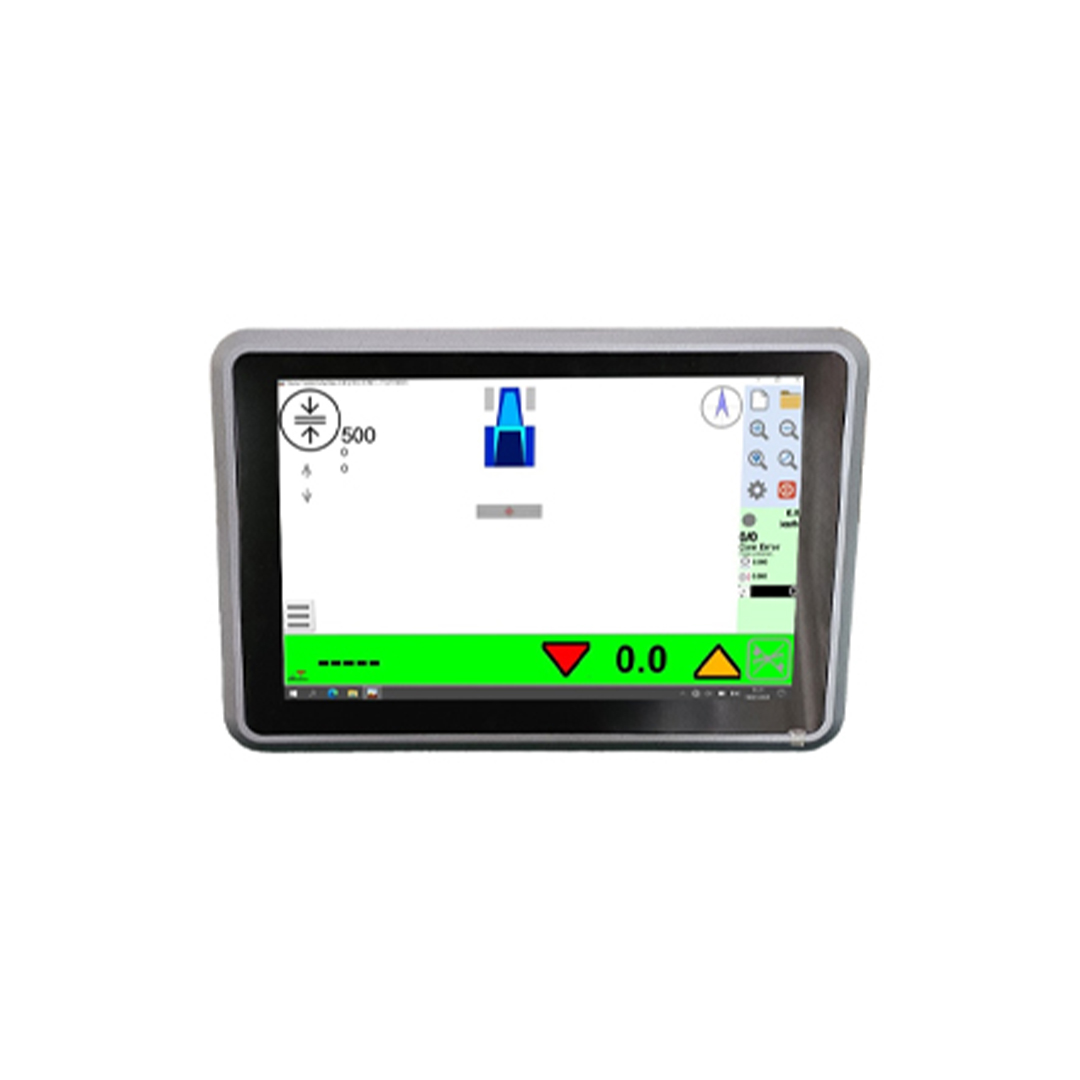
TopoMizer is Rassam GPS's most advanced land design and leveling solution. Besides improving water management, it creates optimal soil aeration conditions and supports stronger root development.
Conclusion
Healthy soil depends not only on water availability but also on the balance between water and air. Accurate land leveling improves drainage, prevents waterlogging, increases soil oxygen, and creates ideal conditions for healthy roots and beneficial microorganisms.
Using Rassam GPS Laser Land Leveling, GNSS Land Leveling, and TopoMizer systems helps farmers improve irrigation efficiency, enhance soil structure, and achieve higher crop productivity through precision agriculture.